



























Effectiveness of Short-Term Dynamic Psychotherapy on Identity and Self-Esteem in Families with Exceptional Children
This study aimed to investigate the effectiveness of short-term dynamic psychotherapy (STDP) on improving identity integration and self-esteem among parents of exceptional children. The study employed a quasi-experimental design with a pretest–posttest–follow-up format and a control group. The statistical population included all parents of exceptional children in Tehran in 2025. A total of 30 parents were selected using convenience sampling and randomly assigned to experimental and control groups (15 participants each). The experimental group received 15 weekly sessions of 90-minute Intensive Short-Term Dynamic Psychotherapy (ISTDP), while the control group received no intervention. The Self-Esteem Scale (Crocker et al., 2003) and the Marcia Identity Status Questionnaire (Adams & Bennion, 1986) were used to measure variables at three stages: pretest, posttest, and two-month follow-up. Data were analyzed using repeated-measures ANOVA in SPSS-26, along with Kolmogorov–Smirnov, Levene, Mauchly, and Box’s M tests to confirm statistical assumptions. Results indicated a significant improvement in the experimental group compared to the control group in both self-esteem (F = 4.688, p = .033, η² = .27) and identity integration (F = 15.703, p = .024, η² = .20). Within-group comparisons showed significant progress across all three stages in self-esteem (p < .001) and identity (p < .001). Interaction effects between group and time were also significant for both variables (p < .001), confirming the sustained positive impact of STDP during the follow-up phase. Bonferroni post-hoc analysis revealed consistent mean score increases in the experimental group compared to the control group at each stage. Short-term dynamic psychotherapy effectively enhances identity coherence and self-esteem among parents of exceptional children by addressing unconscious conflicts and facilitating emotional integration. It can be applied as a supportive intervention in counseling and rehabilitation settings for families facing the psychological challenges of disability.
The Effectiveness of Neurofeedback on Working Memory Performance and Cognitive Planning Ability in Children with Attention-Deficit/Hyperactivity Disorder
The present study aimed to examine the effectiveness of neurofeedback on working memory performance and cognitive planning ability in children with ADHD. This semi-experimental study employed a pretest–posttest control group design with a follow-up phase. The statistical population consisted of all children aged 7 to 14 years diagnosed with ADHD who attended the Shiva Counseling and Psychology Center in Rasht in 2025. From this population, 70 children (35 in the experimental group and 35 in the control group) were selected through purposive sampling. The experimental group received 20 sessions of neurofeedback training (two sessions per week, each lasting 30 to 40 minutes). The neurofeedback protocol involved reducing the theta/beta ratio in the F4 region, enhancing sensorimotor rhythm (SMR), and decreasing theta and delta activity in the frontal and Cz regions. Data collection instruments included the Conners-3 Questionnaire, the Wechsler Digit Span Subtest, the Corsi Block-Tapping Test for visuospatial memory, and the Tower of London Test for cognitive planning. Data were analyzed using descriptive statistics and mixed-design ANOVA with repeated measures in SPSS version 29. Results revealed that the mean scores of verbal and visuospatial working memory, cognitive planning ability, and the reduction of ADHD index significantly improved in the neurofeedback group compared to the control group in both posttest and follow-up stages (p < .001). The effects of time, group, and the interaction between time × group were significant across all variables (partial η² ranging from .43 to .70). Bonferroni post hoc tests indicated that the changes from pretest to posttest were significant and remained stable at the follow-up phase. Moreover, 76.5% of children in the neurofeedback group demonstrated a clinically significant reduction (more than 10 T-score points on the Conners Questionnaire). The findings suggest that neurofeedback, through the modulation of brainwave patterns in frontal and central regions, can produce lasting improvements in working memory and cognitive planning abilities among children with ADHD.
Improving Visual and Auditory Perception in Students with Specific Learning Disorder with Impairment in Reading through a Multisensory Educational Package
This study aimed to examine the effectiveness of a multisensory educational package (Colored Cubes) on improving visual and auditory perception in students aged 7–11 years with Specific Learning Disorder (SLD) with impairment in reading. This quasi-experimental study employed a pretest–posttest design with a control group and follow-up assessments. The statistical population consisted of children diagnosed with SLD with impairment in reading according to DSM-5 criteria, attending psychological centers in District 12 of Tehran during the 2024–2025 academic year. Thirty eligible participants were selected through convenience sampling and randomly assigned to experimental and control groups (15 each). The research instruments included the Frostig Developmental Test of Visual Perception and the Wepman Auditory Discrimination Test. The experimental group received a structured multisensory intervention—comprising colored cubes, age-appropriate flashcards, and phonological awareness activities—across twelve 45-minute sessions, while the control group received no intervention. Data were analyzed using repeated-measures ANOVA in SPSS-26 at a significance level of p < 0.05. The results of repeated-measures ANOVA revealed significant group-by-time interaction effects across all dimensions of visual perception—eye–hand coordination, figure–ground discrimination, form constancy, spatial perception, and spatial relations—as well as auditory discrimination (p < 0.001). Bonferroni post hoc comparisons indicated that improvements in all perceptual domains were maintained in both three- and six-month follow-ups. Effect size estimates (η² = 0.17–0.64) confirmed a strong and stable impact of the multisensory intervention over time compared with the control group. The multisensory educational package (Colored Cubes) effectively enhanced and sustained visual and auditory perceptual functions in children with SLD and reading impairment. The integration of visual, auditory, and kinesthetic modalities provides a promising framework for educational and therapeutic settings targeting perceptual deficits in dyslexic learners.
The Mediating Role of Attention Bias in the Relationship Between Anxiety Sensitivity and Academic Motivation in Children With Specific Learning Disorders
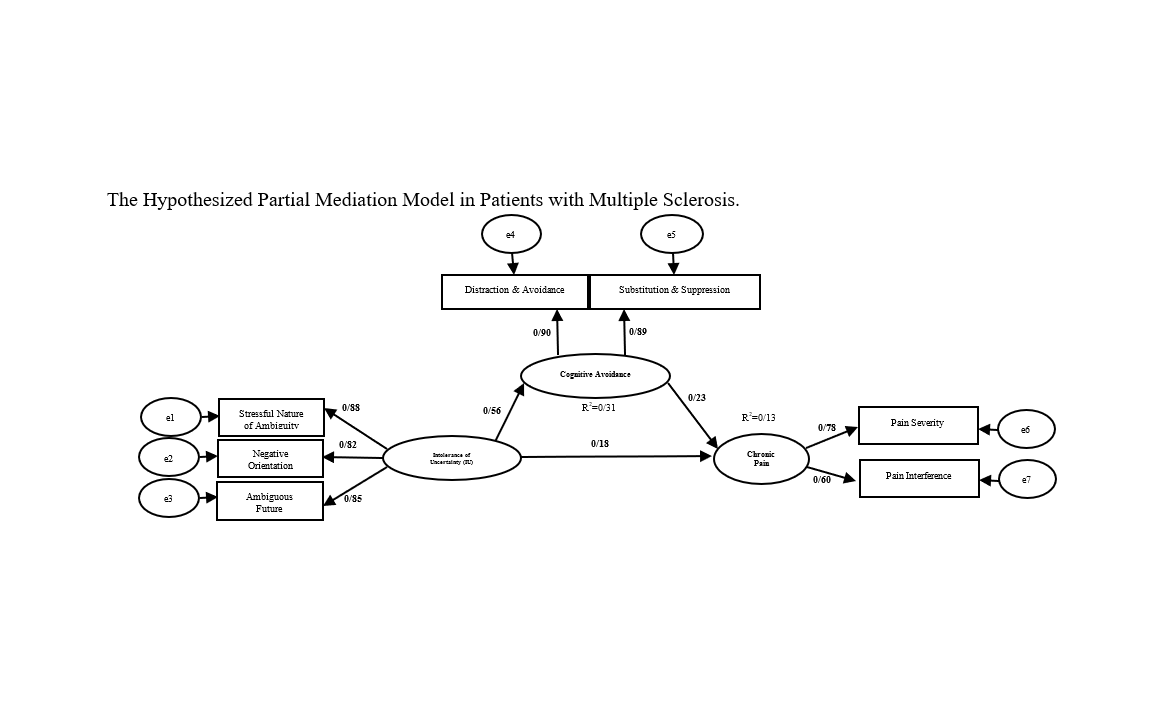
This study aimed to investigate the mediating role of attention bias in the relationship between anxiety sensitivity and academic motivation among children diagnosed with specific learning disorders (SLD). A descriptive–correlational design was used, involving 400 students with specific learning disorders enrolled in learning disability centers in Tehran during the 2024–2025 academic year. The sample size was determined using the Krejcie and Morgan table. Data were collected using three standardized instruments: the Academic Motivation Scale (AMS; Vallerand et al., 1992) to measure academic motivation, the Anxiety Sensitivity Index for Children (ASIC; Laurent et al., 1998) to assess anxiety sensitivity, and the Dot-Probe Task (MacLeod et al., 1986) to evaluate attention bias. Data analysis was performed using Pearson correlation coefficients and Structural Equation Modeling (SEM) through SPSS-27 and AMOS-21 software. Model fit was assessed using multiple indices including χ²/df, GFI, AGFI, CFI, TLI, and RMSEA. Results revealed that anxiety sensitivity was negatively correlated with academic motivation (r = −.42, p < .001) and positively correlated with attention bias (r = .47, p < .001). Attention bias was negatively correlated with academic motivation (r = −.36, p < .001). The SEM results indicated excellent model fit (χ²/df = 1.63, CFI = .97, TLI = .96, RMSEA = .039). Anxiety sensitivity significantly predicted attention bias (β = 0.47, p < .001) and academic motivation (β = −0.33, p < .001). The indirect effect of anxiety sensitivity on academic motivation through attention bias was also significant (β = −0.14, p = .002), confirming partial mediation. The findings suggest that attention bias partially mediates the relationship between anxiety sensitivity and academic motivation in children with specific learning disorders.
Effectiveness of Group Attachment Based Intervention (GABI) on Improving Emotional Safety and Perceived Stress of Vulnerable Children
This study aimed to assess the effectiveness of a group attachment-based intervention in enhancing emotional safety and reducing perceived stress among vulnerable children. The present study was semi-experimental research involving a pre-test-post-test design and a three-month follow-up period, with both a control group and an experimental group. The study focused on vulnerable children in care centers supervised by the Welfare Department in Tehran during the summer and fall of 2023. A total of 30 participants were selected through purposive sampling. The interventions were attachment-based and followed a program designed by the researcher, with eight sessions held twice a week, each lasting 45 minutes. These sessions took place in one of the center's offices for the experimental group. The evaluation tools used were the Belonging and Emotional Security Tool (BEST) and the Perceived Stress Questionnaire (PSQ). The data collected were analyzed using SPSS version 27 software, with descriptive statistics (mean and standard deviation) and statistical methods like Kruskal-Wallis H, repeated measure ANCOVA, and Bonferroni's post hoc test applied at a -value of 0.05. According to the findings of the study, the P-value for the emotional safety variable in the Between-Subjects Effects showed statistical significance (p<0.001). Likewise, the Within-Subjects Effects showed significance for the interaction effects between time and group in the emotional safety variable (p=0.004). On the other hand, there were no notable variations in the sense of belonging between the different groups. Additionally, the P-value for the perceived stress variable in Between-Subjects Effects was statistically significant (p<0.001). The findings of this research demonstrated that an intervention focused on group attachment can successfully lessen perceived stress and enhance emotional safety. It can serve as a beneficial approach for aiding at-risk and vulnerable children in enhancing their mental and emotional well-being.
Identification of Factors Influencing the Development of Sports for Children with Special Needs
The present study aimed to identify and analyze the key institutional, educational, socio-cultural, and psychological factors that influence the development of sports for children with special needs in Tehran. This study employed a qualitative research design using a phenomenological approach to explore the lived experiences and perceptions of stakeholders involved in inclusive sports. The participants included 21 individuals comprising teachers, parents, coaches, rehabilitation specialists, and policymakers selected through purposive sampling from Tehran. Semi-structured, in-depth interviews were conducted until theoretical saturation was achieved. Each interview lasted between 45 and 75 minutes and was transcribed verbatim. Data were analyzed using thematic analysis, following Braun and Clarke’s six-step model, with the assistance of NVivo 14 software to facilitate systematic coding and theme extraction. Trustworthiness of the results was ensured through member checking, peer debriefing, and maintaining an audit trail in accordance with Lincoln and Guba’s criteria. Analysis revealed four overarching themes: (1) Institutional and policy support, encompassing weak inter-organizational coordination and lack of inclusive policy frameworks; (2) Socio-cultural and family factors, including parental overprotectiveness, social stigma, and low public awareness; (3) Educational and infrastructural conditions, referring to limited accessibility, untrained staff, and insufficient adaptive facilities; and (4) Psychological and motivational dimensions, focusing on children’s self-efficacy, emotional development, and peer inclusion. These themes collectively highlight that inclusive sports development is constrained by structural, attitudinal, and environmental barriers, yet facilitated by supportive relationships and empathetic teaching practices. The findings demonstrate that effective development of sports for children with special needs requires integrated policy frameworks, inclusive educational reform, cultural transformation, and psychosocial empowerment.
Comparison of the Effectiveness of Infinite Tomatis Sound Therapy, Vestibulo-Cerebellar Skills Training, and the Combination of Both Methods on Response Inhibition in Students with Specific Learning Disorder with Reading Impairment
The present study aimed to compare the effectiveness of Infinite Tomatis sound therapy, vestibulo-cerebellar skills training, and the combination of both methods on response inhibition in students aged 8 to 12 years with specific learning disorder characterized by reading impairment. This research was an applied study utilizing a quasi-experimental design with pre-test, post-test, and follow-up stages accompanied by a control group. The statistical population consisted of all students with reading difficulties in Tehran in 2024 who sought treatment at counseling and rehabilitation clinics. The sample included 60 students from this population who were selected through convenience sampling and randomly assigned to four groups: Infinite Tomatis sound therapy training (n=15), vestibulo-cerebellar skills training (n=15), combined Infinite Tomatis sound therapy and vestibulo-cerebellar skills training (n=15), and a control group (n=15). After the intervention sessions, participants in all three experimental groups completed the research questionnaires again. The data were collected using the Reading and Dyslexia Test (NAMA) by Karami Nouri et al. (2008), the IVA2 Test, and the Go/No-Go Test developed by Bruner and Hoffman (1984). Data analysis was performed using repeated measures ANOVA with SPSS version 22. The findings indicated a significant difference in response inhibition scores between the combined training group and the vestibulo-cerebellar skills training group. Specifically, the response inhibition scores in the combined training group were higher than those in the vestibulo-cerebellar skills training group.
Comparison of the Effectiveness of Active and Passive Music Therapy on Echolalia and Pitch Frequency in Children with Level 1 Autism Spectrum Disorder
Music therapy is a complementary and innovative intervention for children with autism spectrum disorder (ASD), encompassing both active and passive approaches that differ in their implementation methods and potential outcomes. The present study aimed to examine and compare the effectiveness of active and passive music therapy on echolalia and pitch frequency in children with Level 1 ASD. This quasi-experimental study employed a pretest–posttest design with a control group and a two-month follow-up period. The study sample included 33 children aged 4 to 7 years diagnosed with Level 1 ASD, selected through convenience sampling. After meeting the inclusion criteria, participants were randomly assigned to two experimental groups and one control group. The research instruments consisted of the Praat acoustic phonetic software and the Abnormal Behavior Checklist. Data were analyzed using repeated-measures analysis of variance (ANOVA) with SPSS-27 to compare dependent variables across pretest, posttest, and follow-up phases. The results indicated that passive music therapy had the greatest effect in reducing echolalia. Pairwise comparisons with Bonferroni correction showed significant mean differences between the passive and active groups (3.038, p = 0.034) and between the passive and control groups (-4.583, p = 0.001), whereas the difference between the active and control groups was not significant (mean difference = -1.545, p = 0.538). These findings suggest that the passive method was more effective in decreasing echolalia compared to the other groups. Furthermore, the active music therapy group showed a significant improvement in pitch scores compared to the control group. The overall time effect on scores was significant in the multivariate analysis, and the trend of changes varied across groups, although the univariate analysis did not confirm a formal time effect. Passive music therapy showed no significant difference compared to the control condition. Therefore, incorporating music therapy into rehabilitation programs for children with ASD is recommended as a beneficial complementary intervention.
About the Journal
- E-ISSN: 3060-6713
- Director in Charge: Dr. Ali Aghaziarati
- Editor-in-chief: Dr. Salar Faramarzi
- Owner: KMAN Research Institute
- Publisher: KMAN Publication Inc. (KMANPUB)
- Contact Email: PRIEN@kmanpub.com / journalprien@gmail.com
- Open Access: YES
The Psychological Research in Individuals with Exceptional Needs (PRIEN) Journal, established in 2023, is a pioneering international academic journal dedicated to the multifaceted field of psychology and its application to individuals with exceptional needs. The journal's scope encompasses a diverse range of topics such as developmental psychology, educational psychology, cognitive and behavioral therapy, neuropsychology, special education, adaptive technology, mental health, social integration, and policy development in support of individuals with disabilities or giftedness. Its primary aim is to promote the understanding, support, and advancement of individuals with unique psychological needs, whether they are developmental, emotional, cognitive, or gifted. PRIEN Journal invites contributions in the form of high-quality original research articles, comprehensive review articles (including narrative, scoping, systematic, and integrative reviews), thought-provoking editorials, concise short communications, and insightful letters to the editor. Committed to maintaining rigorous standards, the journal employs a thorough open peer review process to ensure research integrity and transparency. Adhering to a gold open access model, PRIEN Journal guarantees unrestricted online access to its content, fostering a global exchange of knowledge and ideas in this critical field.
About the Publisher
Publisher: KMAN Publication Inc.
Publisher Office: Unit 5‑10825 Yonge St, Richmond Hill, Ontario, Canada, L4C 3E3
https://journals.kmanpub.com
Email: kmanpu@kmanpub.com
Telegram: +1 (647) 656‑4401 | WhatsApp: +1 (437) 429‑3507
Germany Office: Dratelnstrasse, Wohnung A60, 21119 Hamburg, Germany (+4915207720487)
Current Issue