Comparative Analysis of Executive Laws Related to the Rehabilitation Support of Exceptional Children in Iran and the International Organization UNICEF
DOI:
https://doi.org/10.61838/kman.hn.2.3.13Keywords:
Exceptional children and adolescents, Disability rights support, Rehabilitation supportAbstract
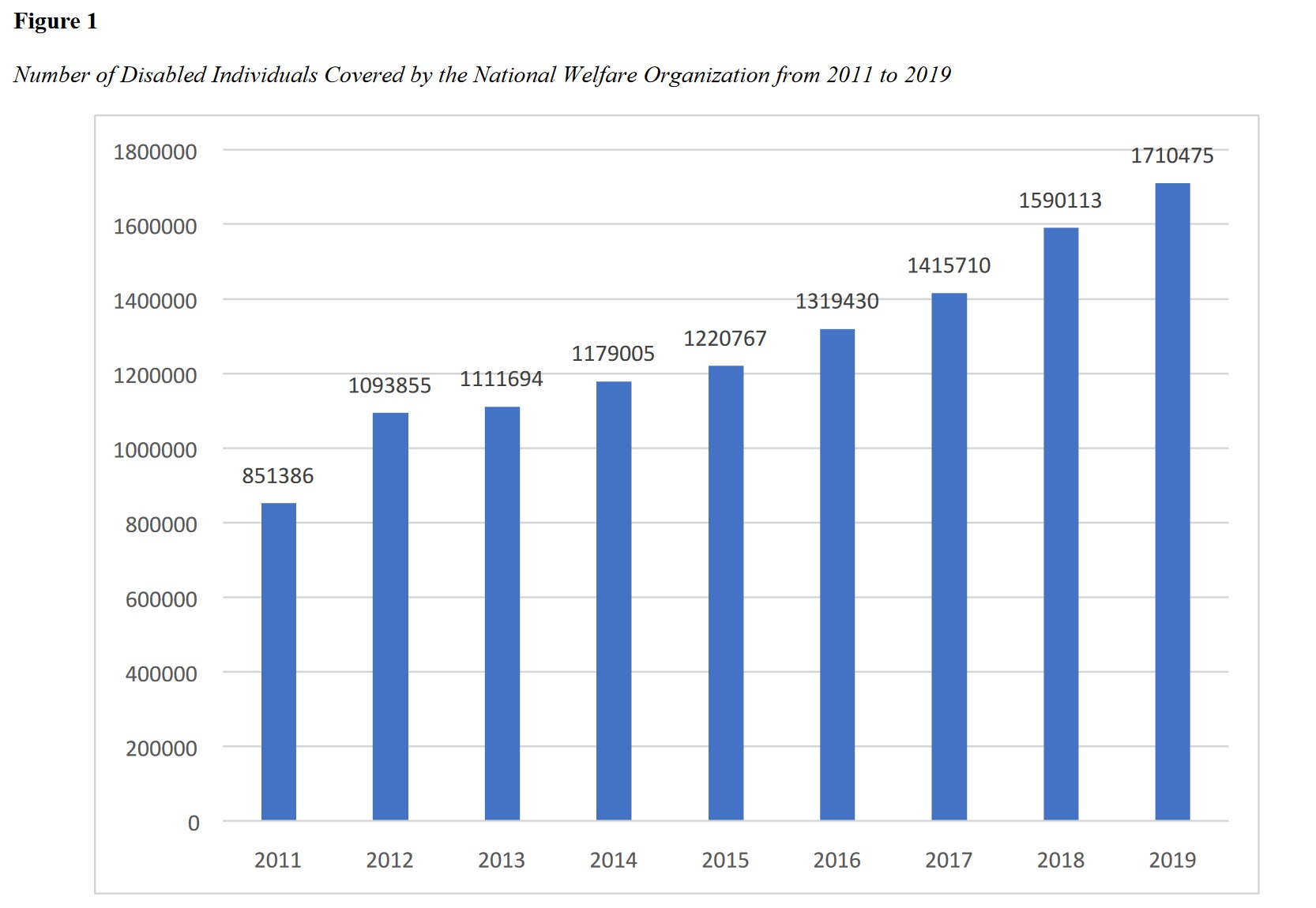
Respect for the rights of individuals with disabilities, particularly exceptional children, is a sign of the cultural richness and advancement of a society. This study aims to compare the executive laws related to the rehabilitation support of exceptional children in Iran with those of the international organization UNICEF. The research method is comparative-qualitative. The statistical population includes all documents and reports related to rehabilitation support in Iran from 2011 to 2020 and UNICEF reports from developing countries regarding the indicators of rehabilitation support for exceptional children and adolescents. The research sample consists of annual documents and reports available in the Welfare Organization from 2011 to 2020, selected through accessible and purposeful sampling. Internationally, UNICEF's annual reports on the rehabilitation support of exceptional children and adolescents from 2011 to 2020 were examined. Some quantitative data were analyzed using descriptive methods, and content analysis was performed for the comparison of documents. According to the findings, the number of exceptional children and adolescents covered by welfare services has been increasing in recent years. Additionally, the phi correlation coefficient between the views of families of exceptional children and adolescents and welfare officials regarding the quantity and quality of rehabilitation services was not significant, indicating no correlation or agreement. The results of this study showed that according to UNICEF, 5 to 15 percent of exceptional children and adolescents in developing countries have access to rehabilitation aids, while in Iran, 26 to 50 percent of these children and adolescents have access to such aids. Therefore, it can be concluded that rehabilitation aid services in Iran are in a better state compared to UNICEF reports from developing countries.
Downloads
References
1. Iravani M, Riahi L, Abdi K, Tabibi SJ. A Comparative Study of the Rehabilitation Services Systems for People With Disabilities. USWR. 2021;21(4):544-63.
2. Abdolmohammadi K, Malek A, Ghadiri F, Ebrahimzadeh K. Comparing the Dimensions of Executive Functions in Monolingual and Bilingual Children. Practice in Clinical Psychology. 2022;10(3):185-92.
3. Boroon M, Mokhtari S, Nojomi M, Hadi F, Soraya S, Shalbafan M. Knowledge, Attitude, and Practice Regarding Child Maltreatment Amongst Iranian Medical Students Through Internship Course: An 18-Month Longitudinal Study. BMC Primary Care. 2023;24(1).
4. Foley‐Nicpon M, Teriba A. Policy Considerations for Twice-Exceptional Students. Gifted Child Today. 2022;45(4):212-9.
5. Hartono BT. Child Safeguarding Policy in Lembaga Penyelenggara Kesejahteraan Sosial (Lpks). Devote Jurnal Pengabdian Masyarakat Global. 2024;3(1):21-34.
6. Uchitel J, Alden ER, Bhutta ZA, Goldhagen J, Narayan AP, Raman S, et al. The Rights of Children for Optimal Development and Nurturing Care. Pediatrics. 2019;144(6).
7. Bahmaei J, Ravangard R, Bahrami MA, Asadollahi A, Bastani P. Policy Requirements in Promoting Older People Health Care in Iran: A Qualitative Study. Journal of Education and Health Promotion. 2023;12(1):159.
8. Farahbod M, Asl IM, Tabibi SJ, Kamali M. Comparing the Rehabilitation Structures in the Health Systems of Iran, Germany, Japan, Canada, Turkey, and South Africa. Journal of Rehabilitation. 2023;24(1):96-113.
Downloads
Additional Files
Publication Timeline
License
Copyright (c) 2024 Abdolrahim Tajeddin, Mansoureh Shahriari Ahmadi, Gholamali Afrooz, Hassan Pasha Sharifi (Author)

This work is licensed under a Creative Commons Attribution-NonCommercial 4.0 International License.