
The Role of Parental Support in Restoring Neurocognitive and Physiological Regulation Following Childhood Grief: An Emotion-Regulation-Based Interventional Study
DOI:
https://doi.org/10.61838/kman.hn.5305Keywords:
childhood bereavement; parental support; emotion regulation; prolonged grief; executive function; autonomic regulation; family interventionAbstract
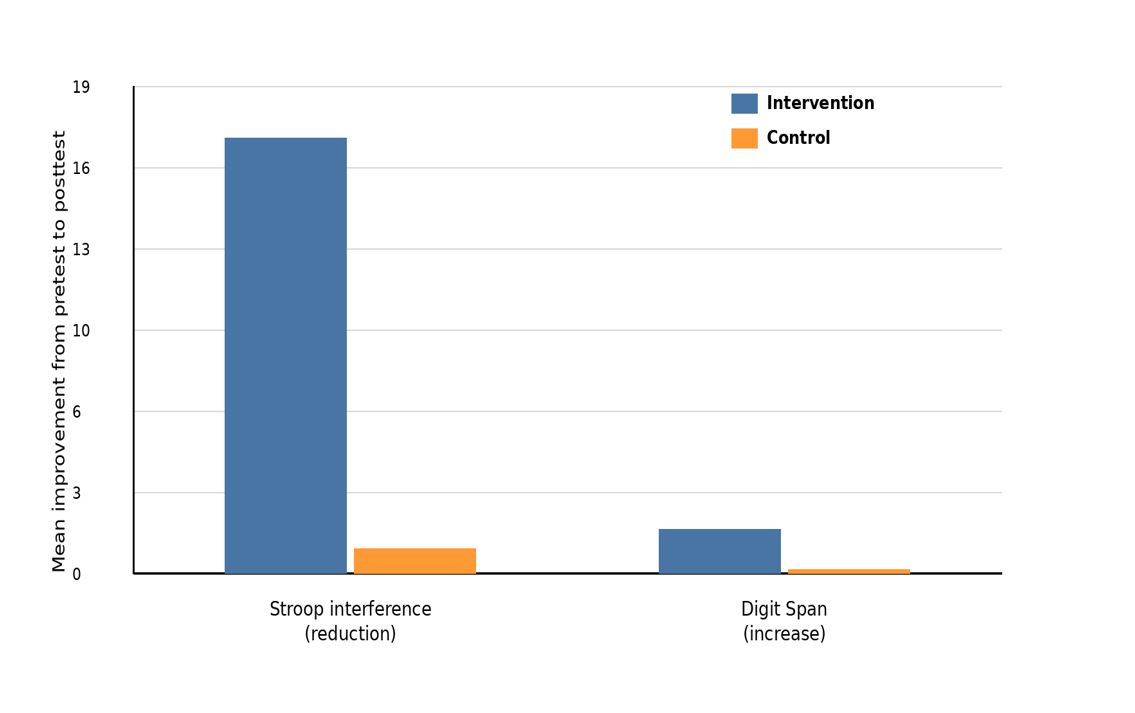
Parental death during childhood is a major developmental adversity that may disrupt emotion regulation, executive functioning, autonomic regulation, and grief adaptation. Because children depend heavily on surviving caregivers for co-regulation, family-based interventions may be especially important for reducing prolonged grief symptoms and supporting recovery of cognitive and physiological functioning. This quasi-experimental pretest-posttest study evaluated an eight-session Emotion Regulation and Parental Support (ERPS) program among 60 bereaved children aged 8-12 years. Participants were allocated to an intervention group (n = 30) or waitlist control group (n = 30). Outcomes included executive functioning (Stroop interference), working memory (Digit Span Backward), physiological arousal (systolic and diastolic blood pressure and resting heart rate), emotion regulation (Emotion Regulation Checklist), and prolonged grief symptoms (PG-13-C total score). Analysis of covariance (ANCOVA) was used to compare posttest outcomes between groups while controlling for baseline scores. The intervention group showed substantially greater improvement than the control group across all outcome domains. Significant adjusted between-group effects were found for Stroop interference, F(1, 57) = 68.42, p < .001, η² = .55; Digit Span Backward, F(1, 57) = 32.18, p < .001, η² = .36; systolic blood pressure, F(1, 57) = 14.55, p < .001, η² = .20; diastolic blood pressure, F(1, 57) = 11.20, p = .001, η² = .16; resting heart rate, F(1, 57) = 19.85, p < .001, η² = .26; ERC emotion regulation, F(1, 57) = 95.40, p < .001, η² = .63; ERC lability/negativity, F(1, 57) = 58.30, p < .001, η² = .51; and prolonged grief symptoms, F(1, 57) = 82.10, p < .001, η² = .59. Reductions in Stroop interference were correlated with reductions in resting heart rate (r = .48, p < .01), and improvements in Digit Span Backward were correlated with reductions in grief symptoms (r = -.52, p < .01). The findings suggest that a structured parental support and emotion regulation program can improve neurocognitive, physiological, and psychological outcomes in bereaved children. The results support the clinical value of caregiver-inclusive interventions that target co-regulation and adaptive grief processing.
Downloads
Downloads
Publication Timeline
- Submitted
- Revised
- Accepted