
Comparison of Motor Planning in the Cerebral Cortex During Gait Initiation Between Athletes with Chronic Ankle Instability and Healthy Individuals
DOI:
https://doi.org/10.61838/kman.intjssh.8.3.9Keywords:
Motor Planning, Chronic Ankle Instability, Gait InitiationAbstract
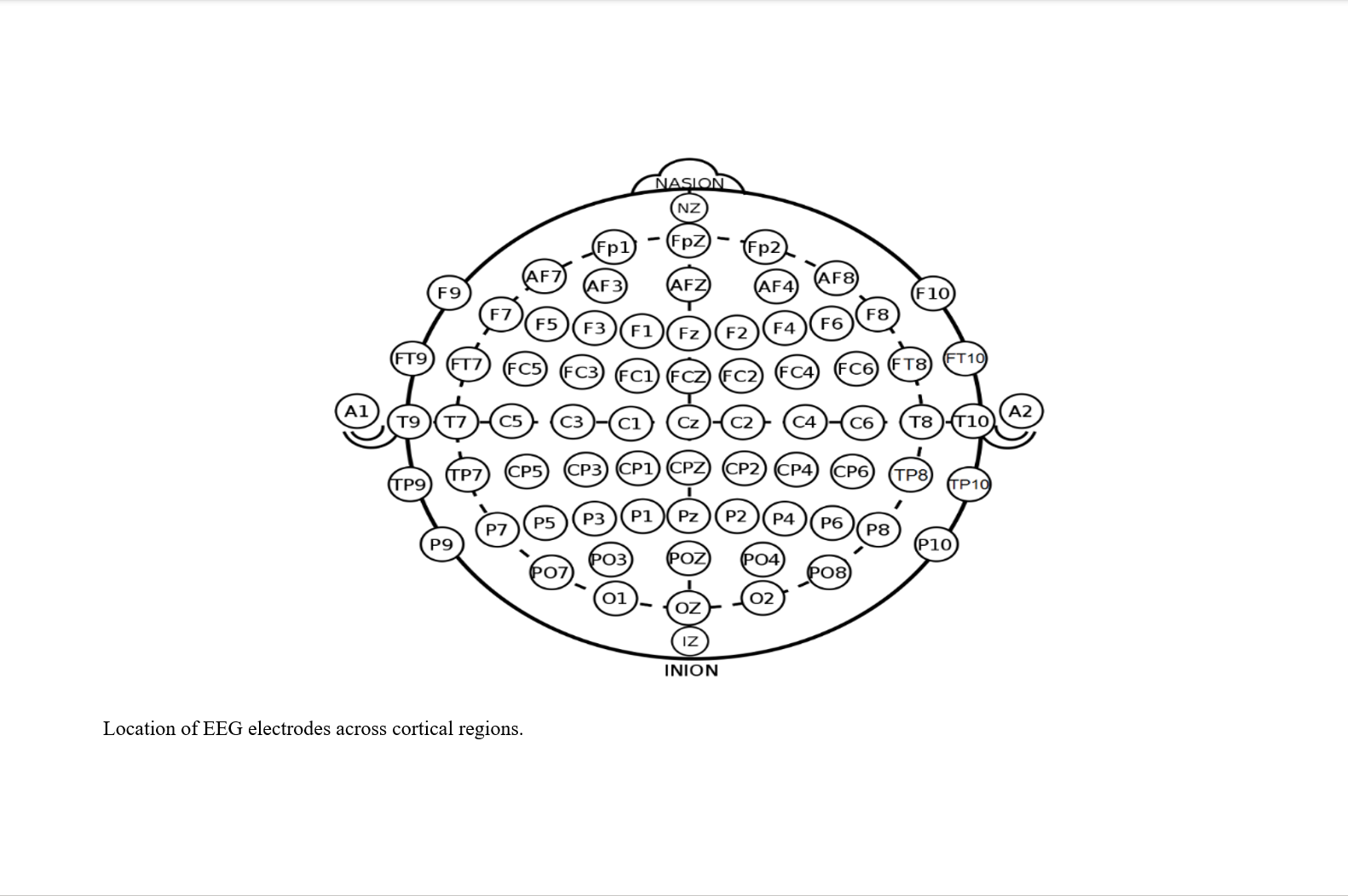
Lateral ankle sprains are among the most common musculoskeletal injuries, with over 70% of affected individuals developing chronic ankle instability (CAI). This condition leads to both mechanical impairments and functional limitations, and the persistence of symptoms like pain and swelling suggests that current rehabilitation strategies may be inadequate. These residual symptoms can result in alterations to brain function, particularly in the cerebral cortex, which controls voluntary movement. Gait initiation (GI), a fundamental task in daily life, offers a safe and effective means of assessing sensorimotor and neuromuscular deficits. This study aimed to investigate motor cortex activity during gait initiation in athletes with CAI compared to healthy individuals. Twenty-six participants were enrolled, divided into two groups: CAI and control (CON). After informed consent, participants completed the FAAM and Cumberland questionnaires. Following a warm-up, they stood on a force plate while wearing an EEG cap. Gait initiation was triggered by an auditory cue, and EEG data were collected using EEGLAB and analyzed with MATLAB. Analysis of motor planning parameters, including theta (4–8 Hz), alpha (8–12 Hz), beta (14–25 Hz), and gamma (35–50 Hz) frequency bands, revealed significant differences between the CAI and CON groups (p < 0.05). Theta activity, associated with attention and focus, showed significant differences at channels Fcz, Cz, and Cp4. Alpha band activity, linked to the activation and inhibition of sensorimotor functions, also showed significant differences at F4, Fz, Fc3, and Cp4. These findings indicate that athletes with CAI exhibit altered motor planning strategies, as demonstrated by changes in theta, alpha, beta, and gamma frequency bands, particularly in the frontal and parietal regions of the brain. These changes were characterized by reduced power in all examined frequency bands in the CAI group, suggesting disruptions in cortical motor planning compared to healthy individuals.
Downloads
References
1. Wagemans J, Bleakley C, Taeymans J, Schurz AP, Kuppens K, Baur H, et al. Exercise-based rehabilitation reduces reinjury following acute lateral ankle sprain: A systematic review update with meta-analysis. PloS One. 2022;17(2):e0262023. [PMID: 35134061] [PMCID: PMC8824326] [DOI]
2. Gaddi D, Mosca A, Piatti M, Munegato D, Catalano M, Di Lorenzo G, et al. Acute Ankle Sprain Management: An Umbrella Review of Systematic Reviews. Frontiers in Medicine. 2022;9:868474. [PMID: 35872766] [PMCID: PMC9301067] [DOI]
3. Zhang X, Su W, Ruan B, Zang Y. Alterations in Cortical Activation among Soccer Athletes with Chronic Ankle Instability during Drop-Jump Landing: A Preliminary Study. Brain Sciences. 2022;12(5):664. [PMID: 35625050] [PMCID: PMC9139920] [DOI]
4. Burcal CJ, Jeon H, Gonzales JM, Faust ME, Thomas AC, Hubbard-Turner TJ, et al. Cortical Measures of Motor Planning and Balance Training in Patients With Chronic Ankle Instability. J Athl Train. 2019;54(6):727-36. [PMID: 31184958] [PMCID: PMC6602394] [DOI]
5. Hass CJ, Bishop MD, Doidge D, Wikstrom EA. Chronic ankle instability alters central organization of movement. Am J Sports Med. 2010;38(4):829-34. [PMID: 20139327] [DOI]
6. Van Deun S, Staes FF, Stappaerts KH, Janssens L, Levin O, Peers KK. Relationship of chronic ankle instability to muscle activation patterns during the transition from double-leg to single-leg stance. Am J Sports Med. 2007;35(2):274-81. [PMID: 17192320] [DOI]
7. Wikstrom EA, Naik S, Lodha N, Cauraugh JH. Balance capabilities after lateral ankle trauma and intervention: a meta-analysis. Medicine and Science in Sports and Exercise. 2009;41(6):1287-95. [PMID: 19461536] [DOI]
8. Needle AR, Lepley AS, Grooms DR. Central Nervous System Adaptation After Ligamentous Injury: a Summary of Theories, Evidence, and Clinical Interpretation. Sports Med. 2017;47(7):1271-88. [PMID: 28005191] [DOI]
9. Wikstrom EA, Bishop MD, Inamdar AD, Hass CJ. Gait termination control strategies are altered in chronic ankle instability subjects. Medicine and Science in Sports and Exercise. 2010;42(1):197-205. [PMID: 20010113] [DOI]
10. Yiou E, Caderby T, Delafontaine A, Fourcade P, Honeine JL. Balance control during gait initiation: State-of-the-art and research perspectives. World J Orthop. 2017;8(11):815-28. [PMID: 29184756] [PMCID: PMC5696609] [DOI]
11. Yousefi M, Zivari S, Yiou E, Caderby T. Effect of Chronic Ankle Instability on the Biomechanical Organization of Gait Initiation: A Systematic Review. Brain Sci. 2023;13(11). [PMID: 38002555] [PMCID: PMC10669647] [DOI]
12. Ebrahimabadi Z, Naimi SS, Rahimi A, Sadeghi H, Hosseini SM, Baghban AA, et al. Investigating the anticipatory postural adjustment phase of gait initiation in different directions in chronic ankle instability patients. Journal of Bodywork and Movement Therapies. 2018;22(1):40-5. [PMID: 29332755] [DOI]
13. Kim H, Palmieri-Smith R, Kipp K. Muscle Synergies in People With Chronic Ankle Instability During Anticipated and Unanticipated Landing-Cutting Tasks. J Athl Train. 2023;58(2):143-52. [PMID: 34793595] [PMCID: PMC10072091] [DOI]
14. Wikstrom EA, Fournier KA, McKeon PO. Postural control differs between those with and without chronic ankle instability. Gait & Posture. 2010;32(1):82-6. [PMID: 20418101] [DOI]
15. Pietrosimone BG, Gribble PA. Chronic ankle instability and corticomotor excitability of the fibularis longus muscle. J Athl Train. 2012;47(6):621-6. [PMID: 23182009] [PMCID: PMC3499885] [DOI]
16. Terada M, Bowker S, Thomas AC, Pietrosimone B, Hiller CE, Gribble PA. Corticospinal Excitability and Inhibition of the Soleus in Individuals With Chronic Ankle Instability. PM & R: The Journal of Injury, Function, and Rehabilitation. 2016;8(11):1090-6. [PMID: 27208398] [DOI]
17. Valeriani M, Restuccia D, Di Lazzaro V, Franceschi F, Fabbriciani C, Tonali P. Central nervous system modifications in patients with lesion of the anterior cruciate ligament of the knee. Brain: A Journal of Neurology. 1996;119(5):1751-62. [PMID: 8931595] [DOI]
18. Miller CA, Verstraete MC. A mechanical energy analysis of gait initiation. Gait Posture. 1999;9(3):158-66. [PMID: 10575076] [DOI]
19. Caulfield B. Functional Instability of the Ankle Joint: Features and underlying causes. Physiotherapy. 2000;86(8):401-11. [DOI]
20. Xue X, Ma T, Li Q, Song Y, Hua Y. Chronic ankle instability is associated with proprioception deficits: A systematic review and meta-analysis. Journal of Sport and Health Science. 2021;10(2):182-91. [PMID: 33017672] [PMCID: PMC7987558] [DOI]
21. Sousa AS, Silva A, Santos R. Ankle anticipatory postural adjustments during gait initiation in healthy and post-stroke subjects. Clinical Biomechanics (Bristol, Avon). 2015;30(9):960-5. [PMID: 26220907] [DOI]
22. Docherty CL, Arnold BL, Hurwitz S. Contralateral force sense deficits are related to the presence of functional ankle instability. J Orthop Res. 2006;24(7):1412-9. [PMID: 16732605] [DOI]
23. Hertel J. Sensorimotor Deficits with Ankle Sprains and Chronic Ankle Instability. Clinics in Sports Medicine. 2008;27(3):353-70. [PMID: 18503872] [DOI]
24. Martin RL, Davenport TE, Fraser JJ, Sawdon-Bea J, Carcia CR, Carroll LA, et al. Ankle Stability and Movement Coordination Impairments: Lateral Ankle Ligament Sprains Revision. Journal of Orthopaedic & Sports Physical Therapy. 2021;51(4):CPG1-CPG80. [PMID: 33789434] [DOI]
25. Becker HP, Rosenbaum D, Claes L, Gerngross H. [Dynamic pedography for assessing functional ankle joint instability]. Unfallchirurg. 1997;100(2):133-9. [PMID: 9157562] [DOI]
26. Lin H, Han K, Ruan B. Effect of virtual reality on functional ankle instability rehabilitation: a systematic review. Journal of Healthcare Engineering. 2021;2021. [PMID: 34880979] [PMCID: PMC8648442] [DOI]
27. Nyska M, Shabat S, Simkin A, Neeb M, Matan Y, Mann G. Dynamic force distribution during level walking under the feet of patients with chronic ankle instability. Br J Sports Med. 2003;37(6):495-7. [PMID: 14665586] [PMCID: PMC1724712] [DOI]
28. Wikstrom EA, Anderson RB. Alterations in gait initiation are present in those with posttraumatic ankle osteoarthritis: a pilot study. J Appl Biomech. 2013;29(3):245-52. [PMID: 22813884] [DOI]
29. Grooms D, Appelbaum G, Onate J. Neuroplasticity following anterior cruciate ligament injury: a framework for visual-motor training approaches in rehabilitation. J Orthop Sports Phys Ther. 2015;45(5):381-93. [PMID: 25579692] [DOI]
30. Schacter DL. EEG theta waves and psychological phenomena: a review and analysis. Biol Psychol. 1977;5(1):47-82. [PMID: 193587] [DOI]
31. Giesche F, Vieluf S, Wilke J, Engeroff T, Niederer D, Banzer W. Cortical Motor Planning and Biomechanical Stability During Unplanned Jump Landings in Men With Anterior Cruciate Ligament Reconstruction. J Athl Train. 2022;57(6):547-56. [PMID: 35969662] [PMCID: PMC9387379] [DOI]
32. Uzlaşır S, Özdıraz KY, Dağ O, Tunay VB. The effects of stroboscopic balance training on cortical activities in athletes with chronic ankle instability. Physical Therapy in Sport. 2021;50:50-8. [PMID: 33865218] [DOI]
33. Borich MR, Brown KE, Lakhani B, Boyd LA. Applications of electroencephalography to characterize brain activity: perspectives in stroke. J Neurol Phys Ther. 2015;39(1):43-51. [PMID: 25522236] [DOI]
34. Oliveira SMS, Medeiros CSP, Pacheco TBF, Bessa N, Silva FGM, Tavares NSA, et al. Electroencephalographic changes using virtual reality program: technical note. Neurol Res. 2018;40(3):160-5. [PMID: 29291703] [DOI]
Downloads
Additional Files
Publication Timeline
Issue
Section
License
Copyright (c) 2025 Mohammad Yousefi (Corresponding Author); Behnam Solgi , Mohsen Mohammadnia Ahmadi, Ali Seghatoleslami, Shaghayegh Zivari (Author)

This work is licensed under a Creative Commons Attribution-NonCommercial 4.0 International License.