The Effect of Swimming Training on Sources of Self-Confidence in Sports and Self-Assessment of Swimming Skills
DOI:
https://doi.org/10.61838/kman.intjssh.4745Keywords:
Swimming, Skills, Self-Assesment, Self-ConfidenceAbstract
Objective: The aim of the study was to examine the effect of swimming training given to University students on the Swimming Skills Self-Assessment and Sources of Self-Confidence in Sports scale.
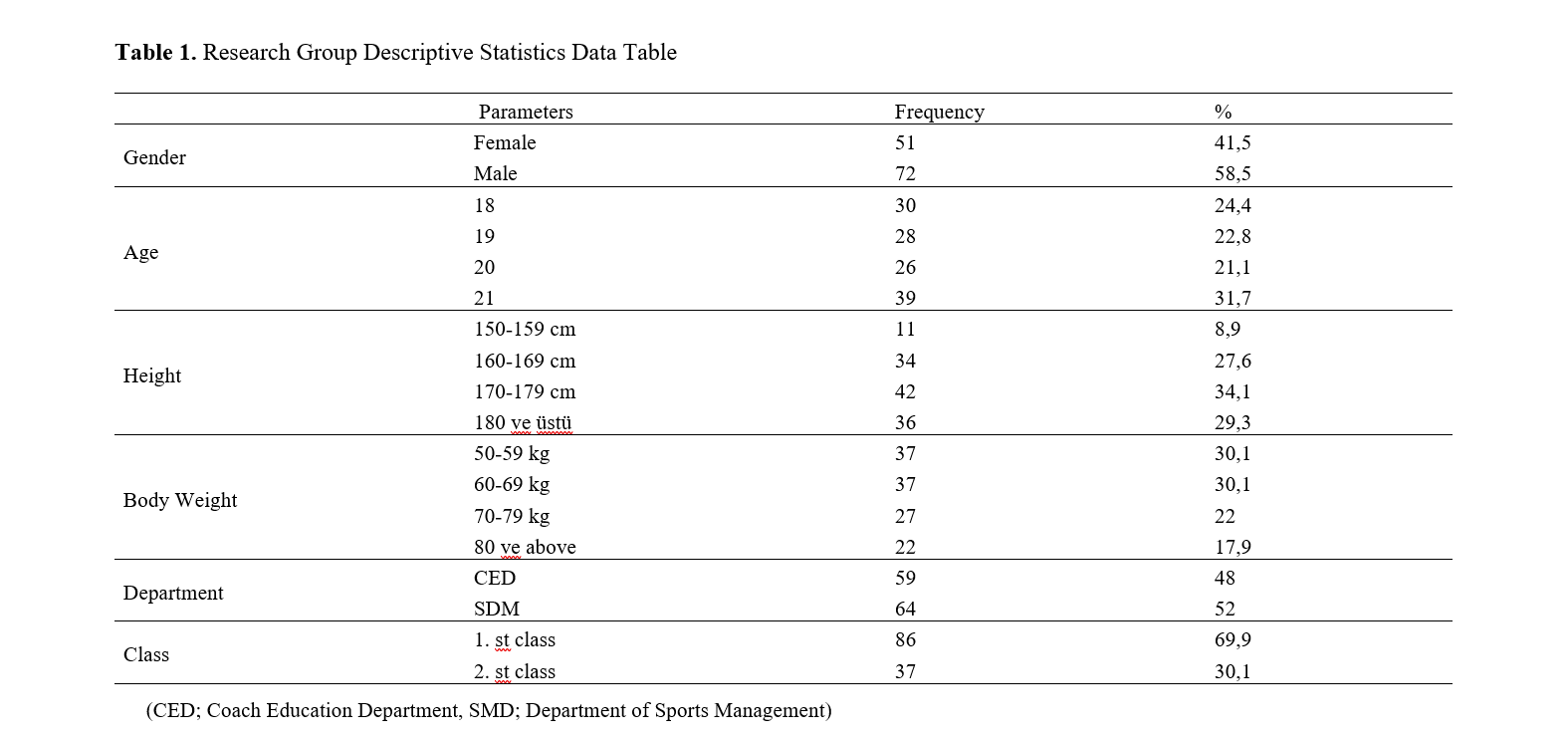
Methods: Questionnaire scales were used before and after 14 weeks of swimming training with 1st and 2nd class students studying at Kocaeli University Faculty of Sports Sciences. Participants in the study were students aged 21 with the highest percentages (31.7%), male with 58.5%, students in the Sports Management Department with 52%, 1st class year students with 69.9%, students with an average height of 170-179 cm with 34.1% and students weighing 50-69 kg with 30.1%. The Swimming Skills Self-Assessment Scale and the Self-Confidence Sources Scale in Sports were applied to the students. The students' demographic characteristics and scale analyses were analyzed in the SPSS program.
Findings: The study found that before swimming training, women's Swimming Skills Self-Assessment results (2.45±1.08) were lower than men's (3.17±1.01), but the difference decreased after the training. It was determined that no significant differences occurred in the Swimming Skills Self-Assessment and Sports Self-Confidence scales in terms of gender, department, and class after swimming training. The analysis results indicate that sporting activities enhance skill development and confidence.
Conclusion: The study found that University Students’ Swimming Skill Self-Assessment and Self-Confidence in Sports improved after swimming instruction, and there were no differences across all variables. In conclusion, it can be said that sporting activities are important for developing skills and confidence in individuals.
Downloads
References
[1] Pereira, S.M., & Ruschel, C. (2011). Comparative Analysis of Temporal Paramaters of Different Techniques of The Freestyle Flip Turn. Biomechanics in Sports 29 Portuguese Journal of Sport Sciences 11 (Suppl. 2). [2] Gošnik, J., Špehar, N. & Reichel, K. F. (2011). Validation of The Scales for Assessing Swimming Abilities of Students at Faculty of Humanities and Social Sciences in Zagreb, 6 th International Scientific Conference on Kinesiology, 226-229. [3] Bozdoğan, A., & Özüak, A. (2003). Stilleriyle Temel Yüzme. İlpress Basım Ve Yayın. İstanbul. [4] Salar, B., Hekim, M., & Tokgöz, M. (2012). 15-18 Yaş Grubu Takım ve Ferdi Spor Yapan Bireylerin Duygusal Durumlarının Karşılaştırılması, Mehmet Akif Ersoy Üniversitesi Sosyal Bilimler Enstitüsü Dergisi, 4(6): 123-135. [5] Vealey, R.S., Hayashi, S.W., Garner-Holman, M., & Giacobbi, P. (1998). Sources of Sport-Confidence: Conceptualization and Instrument Development, Journal of Sport & Exercise Psychology 20(1), 54-80.
[6] Stillwell, B. (2007). Swimming instruction for those fearful of water. Journal of Palaestra, ProQuest Family Health, 23 (1), 36-42.
[7] Ekinci, N. E., Özdilek, Ç., Deryahanoğlu, G., & Üstün, Ü. D. (2014). Spor Yapan Lise Öğrencilerinin Öz Güven Düzeylerinin Incelenmesi. Sportif Bakış: Spor Ve Eğitim Bilimleri Dergisi, 1(1), 36-42.
[8] Weinberger, R. S. (2003). Foundation of Sport and Exercise Psychology, 42–54, Human Kinetics.
[9] Kuloor, H., & Kumar, A. (2020). Self-Confidence and Sports. International Journal of Indian Psychology, 8(4), 1-6.
[10] Zhao, M., Chen, C., Ning, P., Zhang, B. W., & Shen, Y. (2024). Exploring The Structural Validity and Reliability of The Swimming Competence Assessment Scale in College Students. Frontiers in Public Health, 12, 1476732.
[11] Vealey, R. S. (2009). Confidence İn Sport: Handbook of Sports Medicine and Science Sport Psychology, 1, 43-52. Miami University, OH Publishers, USA.
[12] Sundan, J., Haga, M., & Loras, H. (2023). Development and Content Validation of The Swimming Competence Assessment Scale (SCAS): A Modified Delphi Study. Perceptual and Motor Skills, 130(4), 1762-1780.
[13] Chan, D.K., Lee, A.S.Y., Macfarlane, D.J., Hagger, M.S., & Hamilton, K. (2020). Validation of The Swimming Competence Questionnaire for Children. Journal of Sports Sciences, 38(14), 1666-1673.
[14] Plakona, E., Parčina, I., Ludvig, A., & Tuzović, A. (2014). Self-confidence in sport. Sport Science, 7(1), 47-5.
[15] Faul F, Erdfelder E, Lang AG, Buchner A. G* Power 3: A flexible statistical power analysis program for the social, behavioral, and biomedical sciences. Behavior research methods. 2007;39(2):175-191.
[16] Faul F, Erdfelder E, Buchner A, Lang AG. Statistical power analyses using G* Power 3.1: Tests for correlation and regression analyses. Behavior research methods. 2009;41(4):1149-1160.
[17] Arikan, G., & Ince, U. (2023). Yüzme Becerileri Öz Değerlendirme Ölçeğinin Türk Dili ve Kültürüne Uyarlanması: Geçerlik ve Güvenirlik Çalışması. Journal of ROL Sport Sciences, 4(2), 644-656.
[18] Miçooğulları, B. O., & Kirazcı, S. (2010). Sporda Kendine Güven Kaynakları Ölçeğinin Türk Popülâsyonuna Uyarlanması. Spor Bilimleri Dergisi, 21(4), 154-163.
[19] Yaylacı, S.T. (2019). Sportif Faaliyetlerin 13-14 Yaşındaki Bireylerin Özgüven Düzeylerine Etkisi. Hitit Üniversitesi, Sağlik Bilimleri Enstitüsü, Beden Eğitimi ve Spor Anabilim Dalı, Yayımlanmamış Yüksel Lisans Tezi, Çorum.
[20] Turgut, C. & Kocaekşi, S. (2020). Kara Antrenmanı Yapan Ve Yapmayan Yüzücülerin Öz-Yeterlik Ve Sportif Kendine Güven Durumlarının İncelenmesi. Uluslararası Güncel Eğitim Araştırmaları Dergisi (UGEAD), 6(2): 438-445.
[21] Muhamad, T. A., Sattari, H, Abadi, F.H. (2013). Effects of Swimming on Self-Esteem Among Female College Students. Asian Social Science; Vol. 9, No. 16. 74-80.
[22] Köroğlu, M., Yentürk, B. & Abanoz, H. (2023). Boş Zaman Faaliyeti Olarak Yüzme Sporu Yapan Bireylerin Özgüven Düzeylerinin İncelenmesi. Çanakkale Onsekiz Mart Üniversitesi Spor Bilimleri Dergisi: 6(3):224-240.
[23] Hartoto, S., Dwi Khory, F., & Prakoso, B. B. (2017). Validation of Self-Confidence Questionnaire in Swimming Course Learning. Educational Research International, 6(4). 11-19.
[24] Yağcıi, İ., Seydioğlu, C., Kara, T., & Sanlav, R. (2023). The Effect of Self-Confidence Levels of The Students of The Faculty of Sports Sciences And Faculty of Education on Their Decision-Making Skills. African Educational Research Journal, 11(1): 74-80.
[25] Damar, İ., & Uçan, Y. (2021). The Investigation of Self-Confidence Levels of Adult Individuals Who Do and Do Not Do Sports. International Journal of Physical Education Sport and Technologies 2(2), 1-10.
[26] Sönmez, H.O., Becer, E., Gülen, Ö. & Madak, E. (2020). “4 Haftalık Serbest Stil Yüzme Eğitiminde Beceri Öğreniminin Kaygı Düzeyi Üzerine Etkisi”, International Social Mentality and Researcher Thinkers Journal, (Issn:2630631X) 6(28): 217-222.
Downloads
Publication Timeline
- Submitted
- Revised
- Accepted