A Cross-Sectional Study of Physical Activity, Body Composition, and Biochemical Parameters in Adolescents from Western Mexico
DOI:
https://doi.org/10.61838/kman.intjssh.5008Keywords:
Adolescents, Biochemical Parameters, Body Composition, Fat Mass, Lean Mass, Physical ActivityAbstract
Objective: Physical inactivity is associated with excessive fat mass accumulation, increasing the risk of insulin resistance, hyperglycemia, hyperinsulinemia, and the development of metabolic and cardiovascular diseases. Therefore, this study aimed to evaluate body composition, biochemical parameters, and physical activity levels among adolescents in western Mexico.
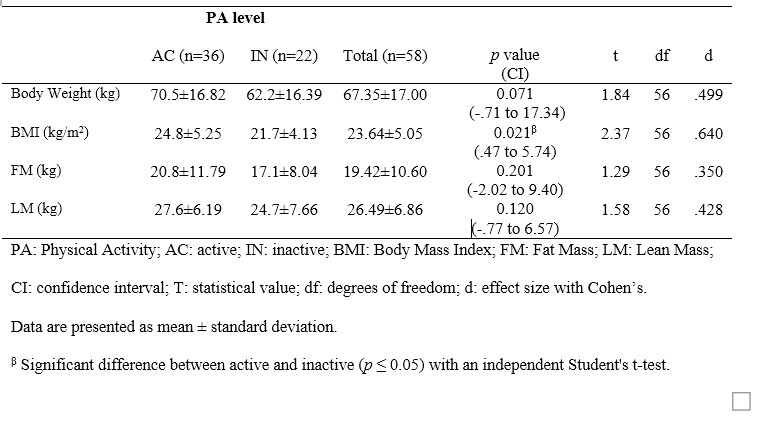
Methods and Materials: A total of 58 adolescents (16.4 ± 0.71 years) participated in this study. Physical activity levels were assessed using the 27-item International Physical Activity Questionnaire (IPAQ). Based on the World Health Organization (WHO) recommendations, participants were classified as inactive (<420 minutes/week of moderate-to-vigorous physical activity [MVPA]) or active (≥420 minutes/week of MVPA). Body composition was assessed using electrical bioimpedance analysis, and biochemical parameters were determined from blood samples.
Findings: The findings showed that 38% of the adolescents were physically inactive. Body mass index (BMI) differed significantly between active (24.8 ± 5.25) and inactive adolescents (21.7 ± 4.13) (p = 0.021). Regarding biochemical parameters, total protein levels were significantly higher in the active group (79.30 ± 4.64) compared with the inactive group (76.86 ± 4.26) (p = 0.050).
Conclusion: The present study highlights the importance of engaging in moderate-to-vigorous physical activity to maintain healthy body composition and reduce risk factors associated with metabolic and cardiovascular diseases among adolescents.
Downloads
Downloads
Publication Timeline
- Submitted
- Revised
- Accepted