
















Scientific Authority Indicators in Sport Management Journals: A Comparative Analysis with International Standards
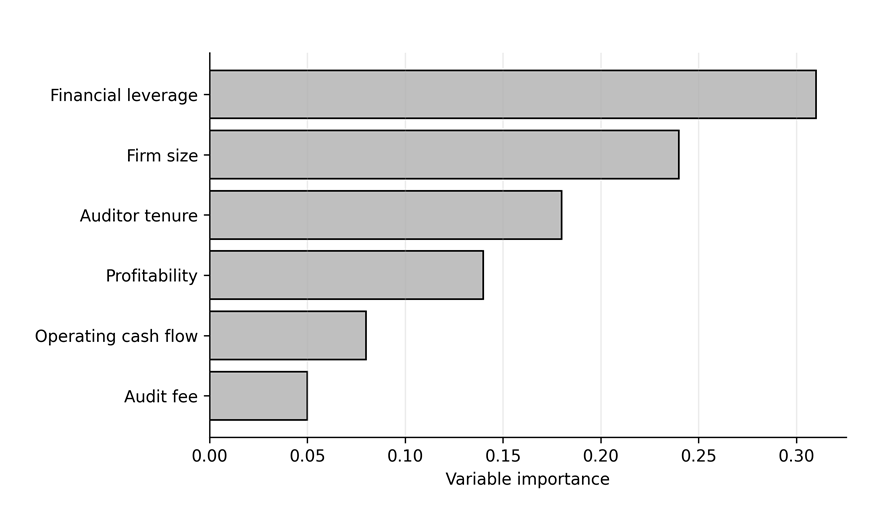
The present study aimed to examine scientific authority indicators in Iranian sport management journals and compare them with international standards. A mixed-method design was employed. In the qualitative phase, semi-structured interviews were conducted with 15 experts in scholarly publishing and sport management. Thematic analysis identified three core dimensions influencing scientific authority: content quality, structural quality, and developmental strategies. In the quantitative phase, seven bibliometric indicators—impact factor, H-index, total citations, cited half-life, acceptance rate, international collaboration, and indexing status—were analyzed across 13 Iranian and 11 international sport management journals. Independent t-tests were used to compare groups. Results revealed significant differences in impact factor (0.48 vs. 2.70, p < .01), H-index (8.5 vs. 56.8, p < .01), and acceptance rate (30.7% vs. 20.9%, p < .05), indicating a performance gap. Differences in cited half-life and international collaboration were not statistically significant. Findings suggest that while Iranian journals demonstrate growth in publication volume, structural and citation-based authority indicators remain comparatively lower. Policy recommendations include strengthening peer-review rigor, improving internationalization strategies, enhancing English-language publishing, and aligning evaluation practices with international frameworks such as DORA and the Leiden Manifesto. This study provides evidence-based guidance for improving the global visibility and scientific authority of sport management journals.
Examining the Structural Relationships among Components of Strategic Thinking and Their Consequences for Creating Competitive Advantage in Primary Schools (Modeling Using a Mixed-Methods Approach)
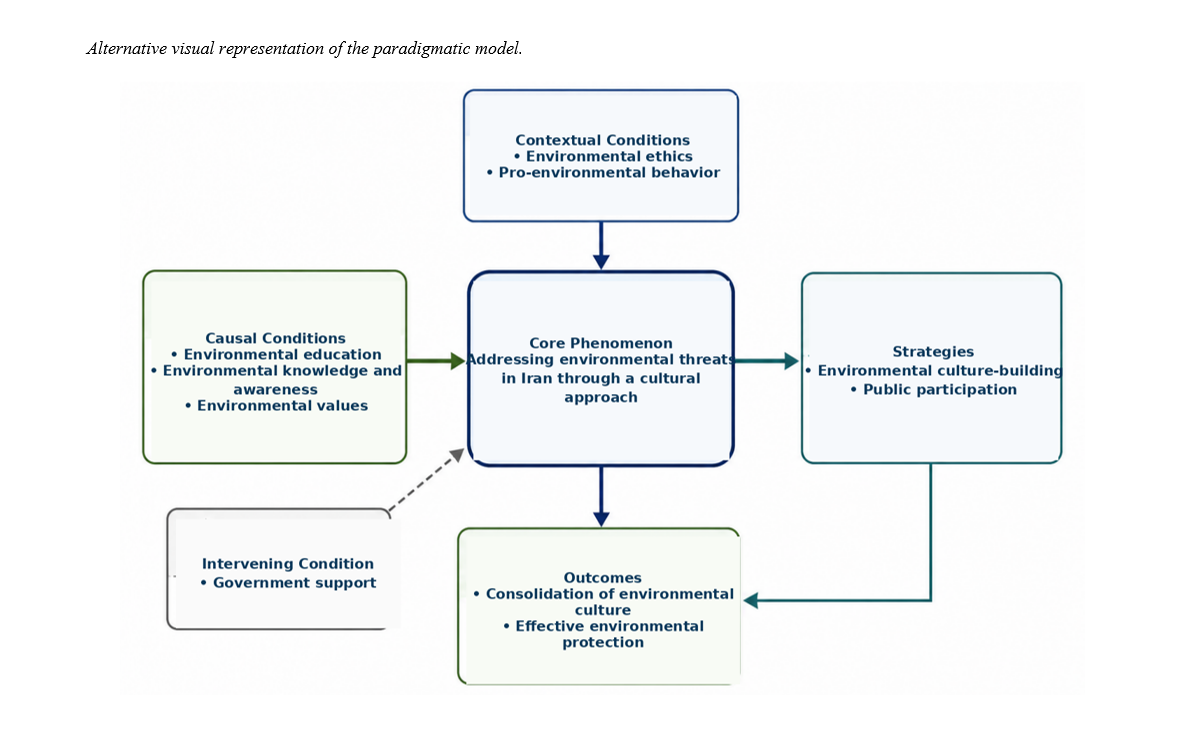
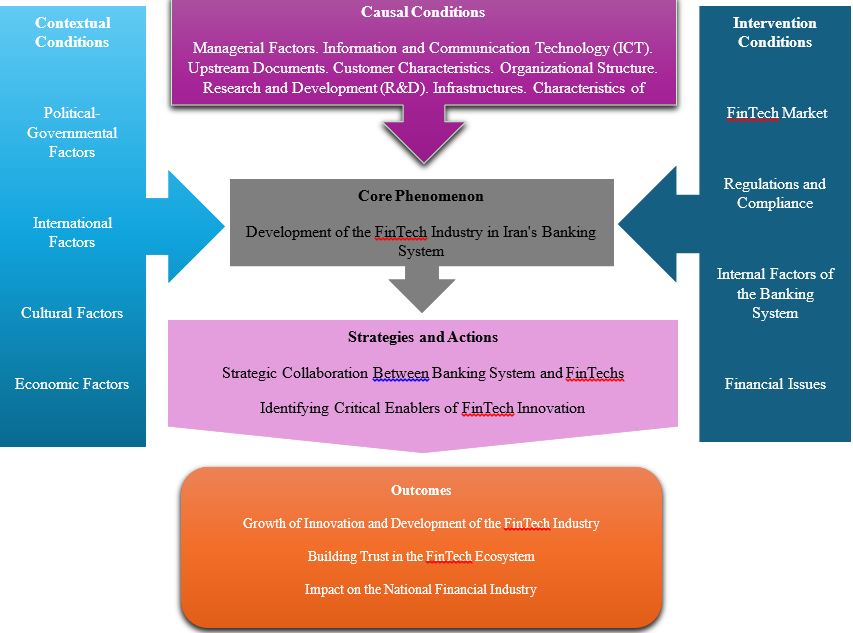
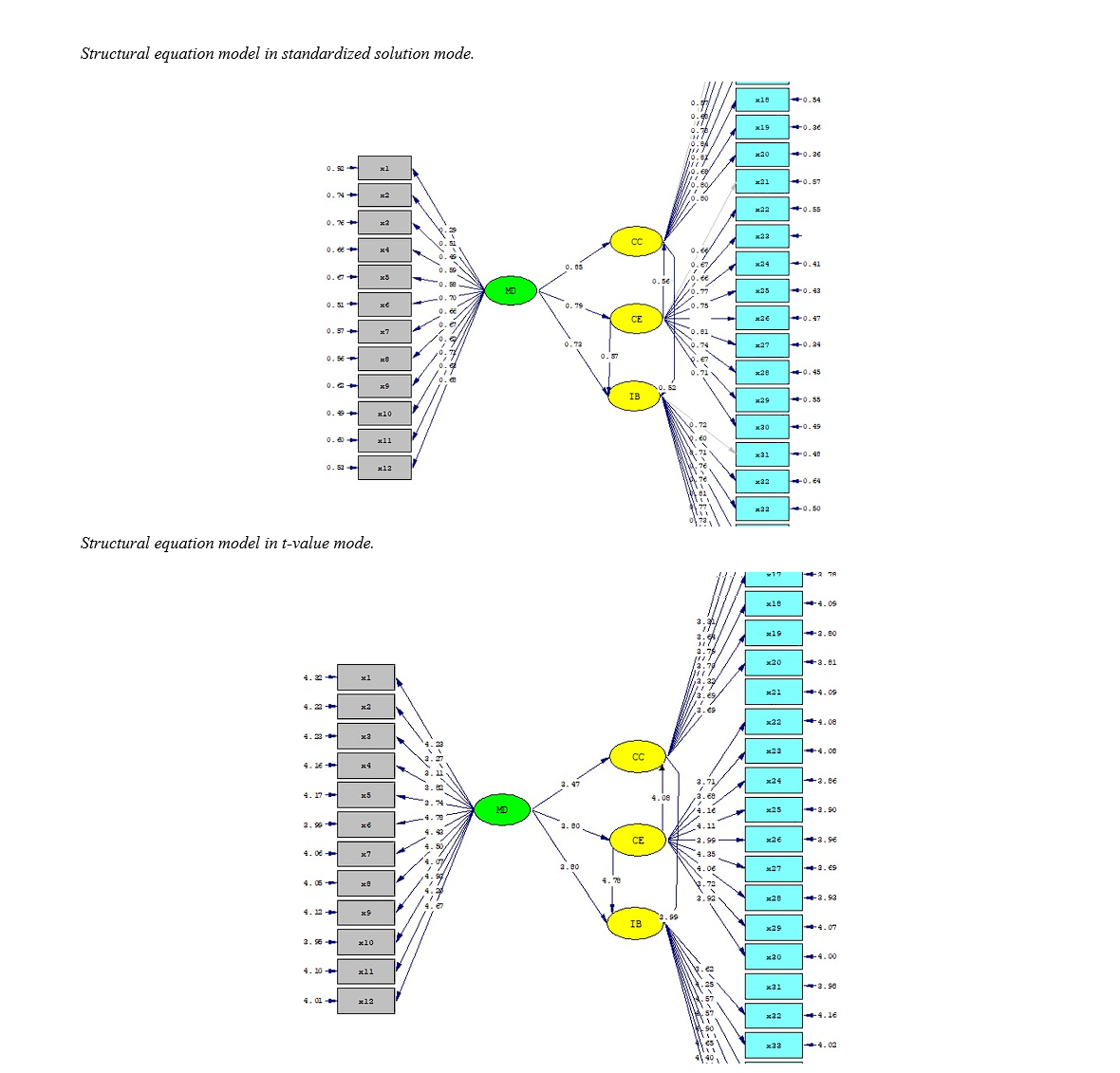
The present study was applied–developmental in terms of purpose and quantitative in terms of implementation. The statistical population consisted of all principals of primary schools under the Department of Education in Khuzestan Province. From a population of 1,688 individuals, approximately 322 participants were selected using cluster and random sampling methods. The research instrument was a researcher-developed questionnaire on principals’ strategic thinking with a competitive advantage approach in education. Data analysis methods included a one-sample t-test using SPSS software, as well as confirmatory factor analysis and structural equation modeling (SEM). The results showed that the causal factors influencing the development of strategic thinking among primary school principals with a competitive advantage approach in the education system of Khuzestan Province include the development of strategic thinking based on needs and motivation, analysis of competitive advantage in comparison with leading schools, vision and future orientation, and the reconfiguration of educational policies at the school level. Contextual factors include the climatic context affecting the strategic thinking of principals in Khuzestan Province, technological education as a facilitator of strategic thinking growth, situation-based management under the critical and diverse conditions of Khuzestan, and the localization of educational directives in the province. Intervening factors include “institutional and organizational support” from education authorities and the extent of “structural pressures and administrative bureaucracy,” which constitute the most significant interventions. The strategies identified in this study include “intelligent resource management,” “adaptive learning and educational innovation,” and “localization of communicated strategies.” Successful principals, by leveraging “parents’ social capital” and performing the role of a “facilitative leader,” achieve outcomes that include “strengthening social capital and school branding” as the first major result, leading to increased trust among families. At the internal level, this approach results in “professional empowerment of teachers” and “innovation in teaching methods.” Ultimately, “enhancement of organizational effectiveness” and the multidimensional development of students in a joyful and dynamic environment represent the most significant outcomes, stabilizing the school’s position within the educational system of Khuzestan Province.
Developing a Resilient Supply Chain Model Based on Industry 4.0 in the Circular Printing Industry
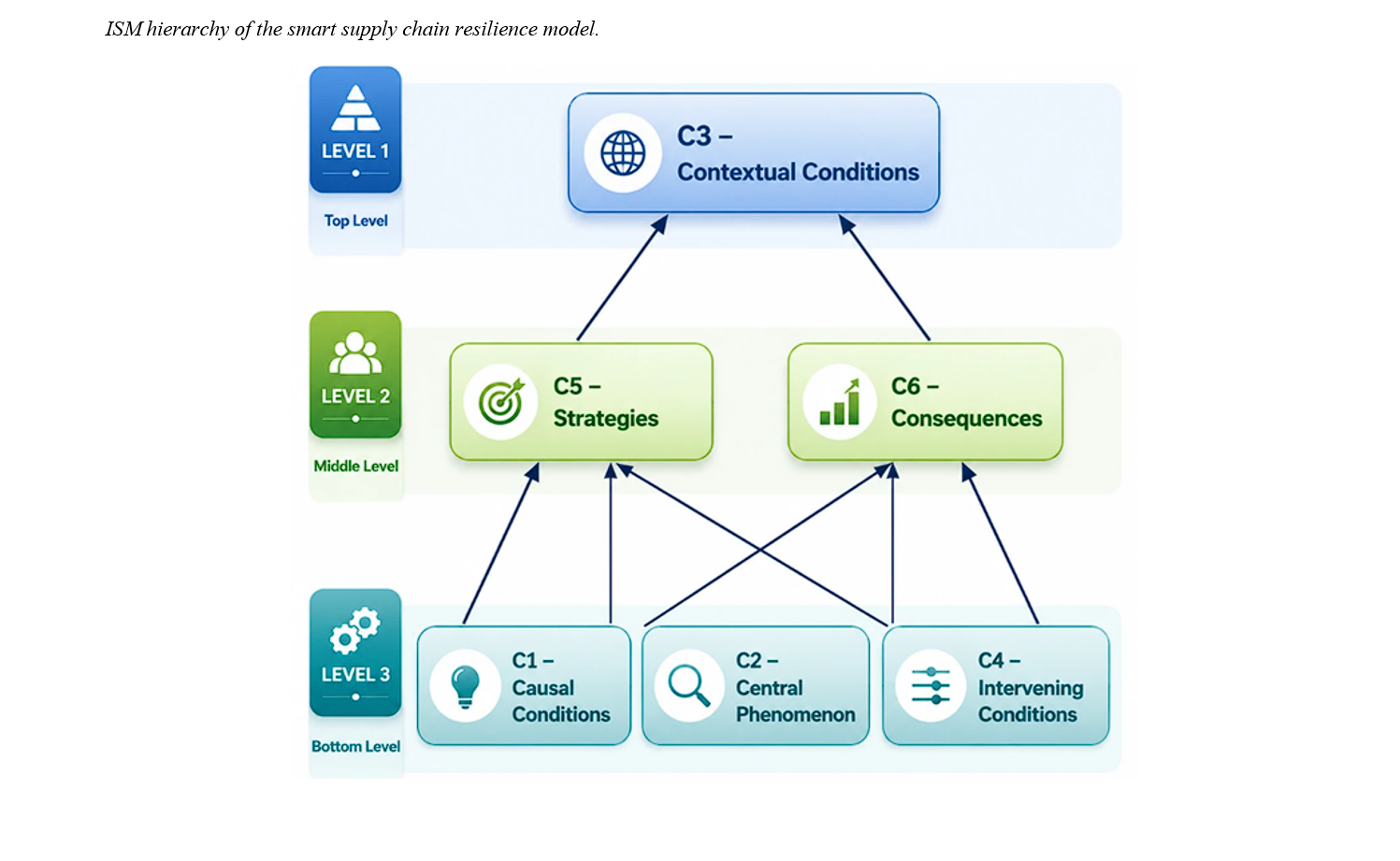
Today, enhancing supply chain resilience has become one of the fundamental responsibilities of management, which can be improved through emerging Industry 4.0 technologies. This study aims to develop a resilient supply chain model based on Industry 4.0 within the circular printing industry. The study was conducted in two qualitative and quantitative phases. In the qualitative phase, the research method was hybrid content analysis (deductive–inductive), and in the quantitative phase, causal and correlational methods were employed. The research population in the qualitative phase included participants such as senior managers, senior experts, consultants from the printing industry, and university faculty members specializing in technology management, supply chain management, and environmental management. These participants were selected using purposive non-probability sampling, totaling 20 individuals. In the quantitative phase, the statistical population consisted of experts working in the printing company, and a complete census method was used to select 107 individuals. The findings of the qualitative phase indicated that the model variables included “transformational capacity,” “absorptive capacity,” “adaptive capacity,” and “continuity capacity.” According to the fuzzy DEMATEL results, the variable “transformational capacity” was identified as the most influential factor, which sequentially affects “absorptive capacity,” “adaptive capacity,” and “continuity capacity.” The results of testing the developed model showed that “transformational capacity” has a positive and statistically significant effect on “absorptive capacity,” “adaptive capacity,” and “continuity capacity.” Furthermore, the effect of “absorptive capacity” on “adaptive capacity” and “continuity capacity” was confirmed to be positive and statistically significant. Finally, “adaptive capacity” has a positive and statistically significant relationship with “continuity capacity.” The results of the study indicate the critical role of digital strategic transformation in enhancing supply chain resilience capacity within the circular economy.
Modeling Marketing Strategies in Small and Medium-Sized Food Industry Enterprises Using Reinforcement Learning and Natural Language Processing Approaches
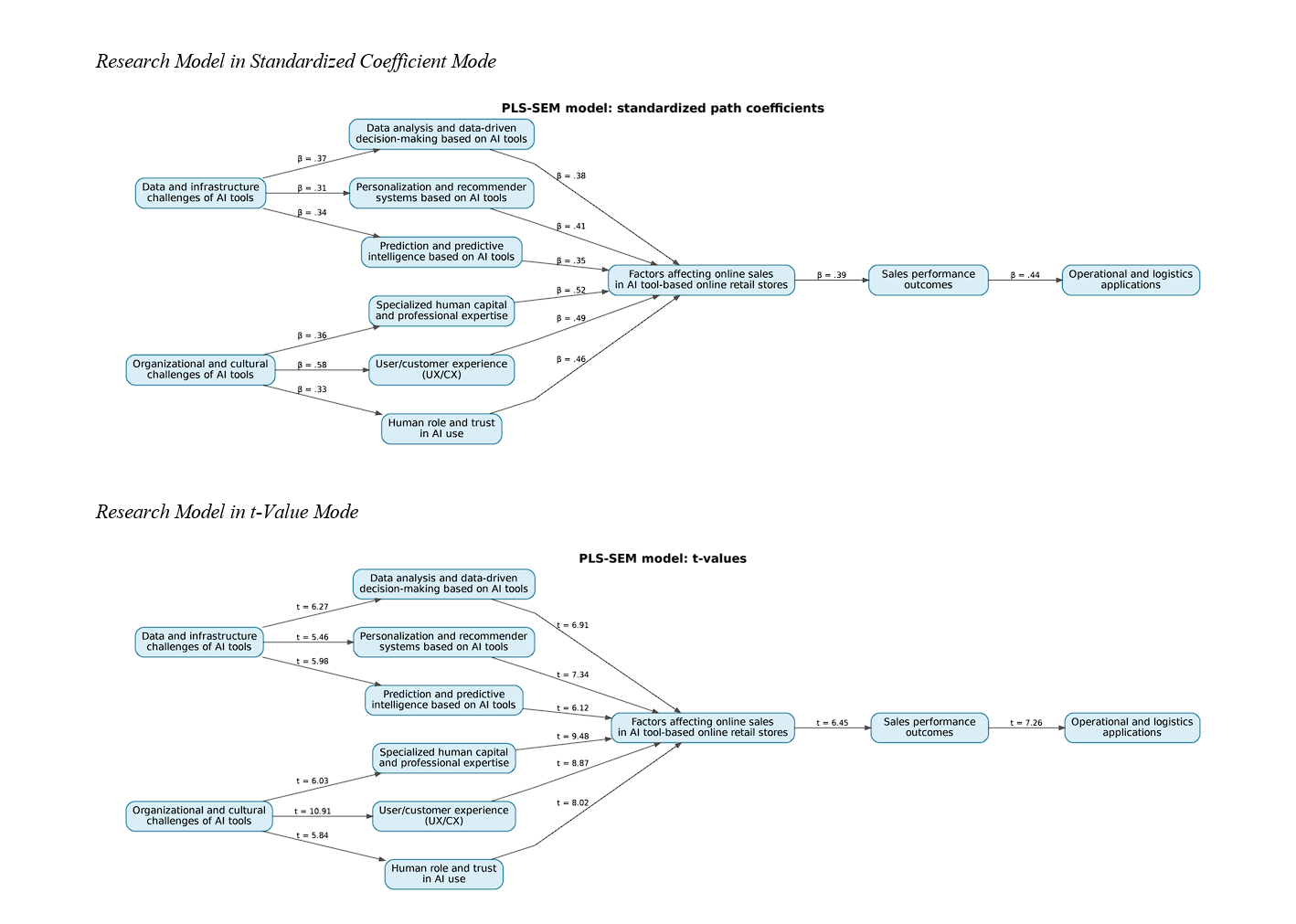
In the age of digital transformations, artificial intelligence serves as a crucial tool for revising marketing patterns, especially for small and medium-sized food industry enterprises that face fierce competition, resource scarcity, diverse customer preferences, and infrastructure limitations. This study aims to design a local model to enhance marketing strategies for these businesses using DQN and DistilBERT algorithms, examining the effective factors, optimizing dynamic decision-making, and analyzing customer behavior. The research methodology employed a mixed qualitative-quantitative approach with an interpretivist philosophy and inductive strategy. In the qualitative phase, semi-structured interviews with 12 experts (theoretical saturation after 10 interviews) and thematic analysis using Attride-Stirling's method were conducted. In the quantitative phase, a five-point Likert scale questionnaire based on 25 organizing themes was distributed to 384 managers and experts (Cronbach's alpha: 0.78 to 0.88; Kolmogorov-Smirnov test: Sig < 0.08). Findings showed that the average factors ranged from 3.45 to 4.25, with the highest averages for "technology adoption by senior managers" (4.25) and "personalization capability" (4.25). The DQN model achieved an accuracy of 0.94, MSE of 0.15, F1-Score of 0.92, and an average reward of 98.5, while DistilBERT achieved an accuracy of 0.91, Cross-Entropy of 0.12, Precision of 0.89, and Recall of 0.90. The DQN model outperformed with 130 samples, showing errors under 0.3. The conclusion suggests that DQN is suitable for dynamic optimization, and DistilBERT is effective for textual customer analysis. This native model, combining local factors (such as privacy laws and innovative culture), is predicted to increase the competitiveness of food SMEs by 25% in conversion rates and reduce forecasting costs by 15%, offering a practical solution for the Iranian market.
The Role of AI-Based Intelligent Systems in Public Policy Formulation
Existing public policies have failed to adequately solve complex public problems in society. To deal with the complexities of public problems, intelligent systems are required. The input and output of an intelligent system are similar to those of a conventional system, where correct input leads to correct output. The intelligent system can receive a public problem, prioritize it, and offer a solution for it. This is a qualitative, exploratory research with an applied objective. The data collection was conducted through fieldwork using semi-structured interviews. The research population included public policy experts and Artificial Intelligence (AI) experts. Snowball sampling was utilized, reaching theoretical saturation with a final sample size of 12 people. To assess the validity and reliability of this research, the opinions and guidelines of a group of experts were considered before, during, and after the coding process, and the necessary final adjustments were made. For the qualitative data analysis, the Thematic Analysis method and the Thematic Network tool, following the Attride-Stirling approach in six steps, were used. In this research, 4 global themes, 7 organizing themes, and 143 basic themes were extracted to determine the role of the intelligent system in public policy formulation. The results showed that intelligent systems must be used to formulate intelligent policies. By using the capabilities of AI, the intelligent system can perform the process of public problem identification, agenda setting, and offering the best solution intelligently. Consequently, the public policy formulation processes are presented more precisely, effectively, and with fewer negative side effects. The knowledge required by the intelligent system to perform these processes intelligently is supplied by the capabilities of the Expert System and the Learning System.
Audio-Based Shadowing Technology for Learning English Collocations: A Gateway to AI-Driven Language Pedagogy
In the evolving landscape of technology-enhanced language learning (TELL), this study investigates the efficacy of a technology-mediated shadowing technique on the acquisition of English collocations among Iranian EFL learners. A sample of 80 intermediate learners was selected and randomly assigned to experimental and control groups. Initially, a pre-test was administered to assess the learners’ prior knowledge of collocations. The experimental group used audio-shadowing technology, while the control group received equivalent instruction through explicit explanation and text-based practice. Following ten 90-minute instructional sessions, participants completed a post-test to evaluate their knowledge gains. A researcher-developed multiple-choice test containing 40 items served as both the pre- and post-test of the study. Paired and independent samples t-tests were performed to answer the research questions. Findings indicated that this simple technological intervention significantly enhances collocational understanding for both male and female learners, with no notable gender differences identified. These results provide valuable insights for educators and curriculum developers seeking to integrate low-threshold technologies into the classroom, and highlight the potential of scalable, audio-based methods as a foundational step towards more sophisticated technology-powered personalized listening and vocabulary acquisition tools.
Push Notifications and Habit Formation: Behavioral Impact on Daily Language Practice Consistency
Push notifications are widely used to influence digital behavior, but their long-term impact on language learning habits remains underexplored. To bridge this gap, this study investigated the role of push notifications in shaping user habits and their impact on daily consistency in language learning practice. Grounded in behavioral psychology and habit formation theory, we conducted a randomized controlled trial (RCT) with 150 adult participants engaged in a 9-week mobile-assisted language learning (MALL) program. Participants were divided into three groups: one receiving algorithmically timed push notifications, one with self-scheduled practice reminders, and a control group with no notifications. Compliance rates, practice duration, and self-reported motivation levels were tracked alongside qualitative feedback. Data analysis revealed that the push notification group demonstrated significantly higher daily practice adherence (82% compliance) compared to the self-scheduled (67%) and control groups (49%). However, post-intervention data indicated a sharp decline in consistency for the notification group once reminders ceased, suggesting extrinsic dependency. Qualitative insights highlighted that personalized, context-aware notifications enhanced perceived utility, while overly frequent alerts led to user fatigue. The study underscores the dual-edged nature of push notifications as effective short-term behavioral cues but potential inhibitors of intrinsic habit formation. These findings broaden our understanding of digital nudges in skill acquisition and offer practical guidelines for designing adaptive notification systems that balance immediacy with sustainable engagement. Ethical considerations regarding user autonomy and dependency are also discussed, emphasizing the need for transparency in persuasive technology design.
The Impact of the Digital Sharing Economy on the Saving and Investment Patterns of Generation Z in Iran
The digital sharing economy, as an emerging paradigm, profoundly shapes the financial behaviors of Generation Z and transforms traditional patterns of saving and investment. This study investigates the impact of the digital sharing economy on the saving and investment styles of Generation Z in Iran, focusing on predictive factors such as psychological factors, technological factors, and demographic variables. The research follows a descriptive correlational design with a structural equation modeling (SEM) approach. The statistical population consisted of Generation Z users (born between 1997 and 2012) of sharing economy platforms in Iran, among whom 384 participants were selected through convenience sampling. Data were collected via a questionnaire with a composite reliability above 0.7 for all constructs and were analyzed using path analysis and standardized coefficients. The results indicated that technological factors were the strongest predictors of risk-taking investment style (β = 0.508), while psychological factors were the most significant determinants of conservative saving style (β = 0.443). Demographic factors showed a significant negative relationship with both investment (β = −0.318) and saving styles (β = −0.233). The digital sharing economy had a weak effect on saving style (β = 0.184) and a negligible effect on investment style (β = 0.069). The model explained 31.7% of the variance in investment style and 42.5% of the variance in saving style. The findings revealed a fundamental duality in the drivers of Generation Z’s financial behavior: investment is technology-driven, whereas saving is rooted in psychological contexts. Contrary to expectations, the youngest members of Generation Z are the pioneers of digital financial transformation, while the sharing economy, despite its quantitative growth, plays a limited role in shaping financial behaviors. These results highlight the necessity of adopting differentiated approaches for promoting investment (through technological infrastructure development) and saving (through fostering trust and education).
About the Journal
- E-ISSN: 3041-9433
- Director-in-Charge: Dr. Ebrahim Shabani
- Editor-in-Chief: Dr. Nicola Luigi Bragazzi
- Owner: KMAN Research Institute
- Publisher: KMAN Publication Inc. (KMANPUB)
- Contact email: aitechbehavsoc@kmanpub.com aitechbehavsoc@gmail.com
- Open access: Yes
- Peer-review: Yes (Open Peer-review)
AI and Tech in Behavioral and Social Sciences is a cutting-edge, peer-reviewed (open peer-review), open-access journal dedicated to exploring the dynamic intersection of artificial intelligence (AI), technology, and the behavioral and social sciences. Published quarterly by KMAN Publication Inc., this journal serves as a platform for innovative research, theoretical discussions, and practical insights that bridge the gap between technological advancements and insights into human behavior, societal trends, and social processes.
Our vision is to be at the forefront of disseminating high-quality, impactful research that harnesses the potential of AI and technology to understand and address complex social and behavioral challenges. We aim to facilitate an interdisciplinary dialogue that fosters collaboration between researchers, practitioners, and policymakers from diverse fields including psychology, sociology, anthropology, education, public health, sports sciences, and more.
About the Publisher
Publisher: KMAN Publication Inc.
Publisher Office: Unit 5‑10825 Yonge St, Richmond Hill, Ontario, Canada, L4C 3E3
https://journals.kmanpub.com
Email: kmanpu@kmanpub.com
Telegram: +1 (647) 656‑4401 | WhatsApp: +1 (437) 429‑3507
Germany Office: Dratelnstrasse, Wohnung A60, 21119 Hamburg, Germany (+4915207720487)
Current Issue
Articles
-
Push Notifications and Habit Formation: Behavioral Impact on Daily Language Practice Consistency
Mohammad Aliakbari ; Pooria Barzan * ; Seyyed Pedram Allahveysi , Morteza Bakhtiarvand , Samia Al-Shidi1-14