Comparison of the Effectiveness of Psychological Debriefing–Based Intervention and Schema Therapy on Post-Traumatic Stress Arousal Symptoms and Coping Styles in Adolescent Girls Affected by Sexual Abuse
DOI:
https://doi.org/10.61838/kman.jayps.4756Keywords:
Schema therapy, psychological debriefing, sexual abuse, post-traumatic stress disorder, coping styles, adolescentsAbstract
Objective: This study aimed to compare the effectiveness of psychological debriefing and schema therapy on post-traumatic stress arousal symptoms and coping styles among adolescent girls affected by sexual abuse.
Methods and Materials: This quasi-experimental study employed a pretest–posttest control group design with three groups: psychological debriefing, schema therapy, and control. The sample included 45 adolescent girls aged 12–18 years who were referred to the Social Emergency Center in Varamin, Iran, in 2024, after experiencing sexual abuse. Participants were selected through purposive sampling based on inclusion criteria and randomly assigned to one of the three groups (15 per group). The interventions consisted of a 12-session schema therapy program based on Young’s model and a single-session (two-hour) psychological debriefing protocol based on Mitchell and Everly’s model. Research instruments included the Endler and Parker Coping Inventory for Stressful Situations (CISS) and the PTSD Symptom Scale developed by Weathers et al. Data were analyzed using mixed-design analysis of variance (ANOVA) with a significance level of p < .05.
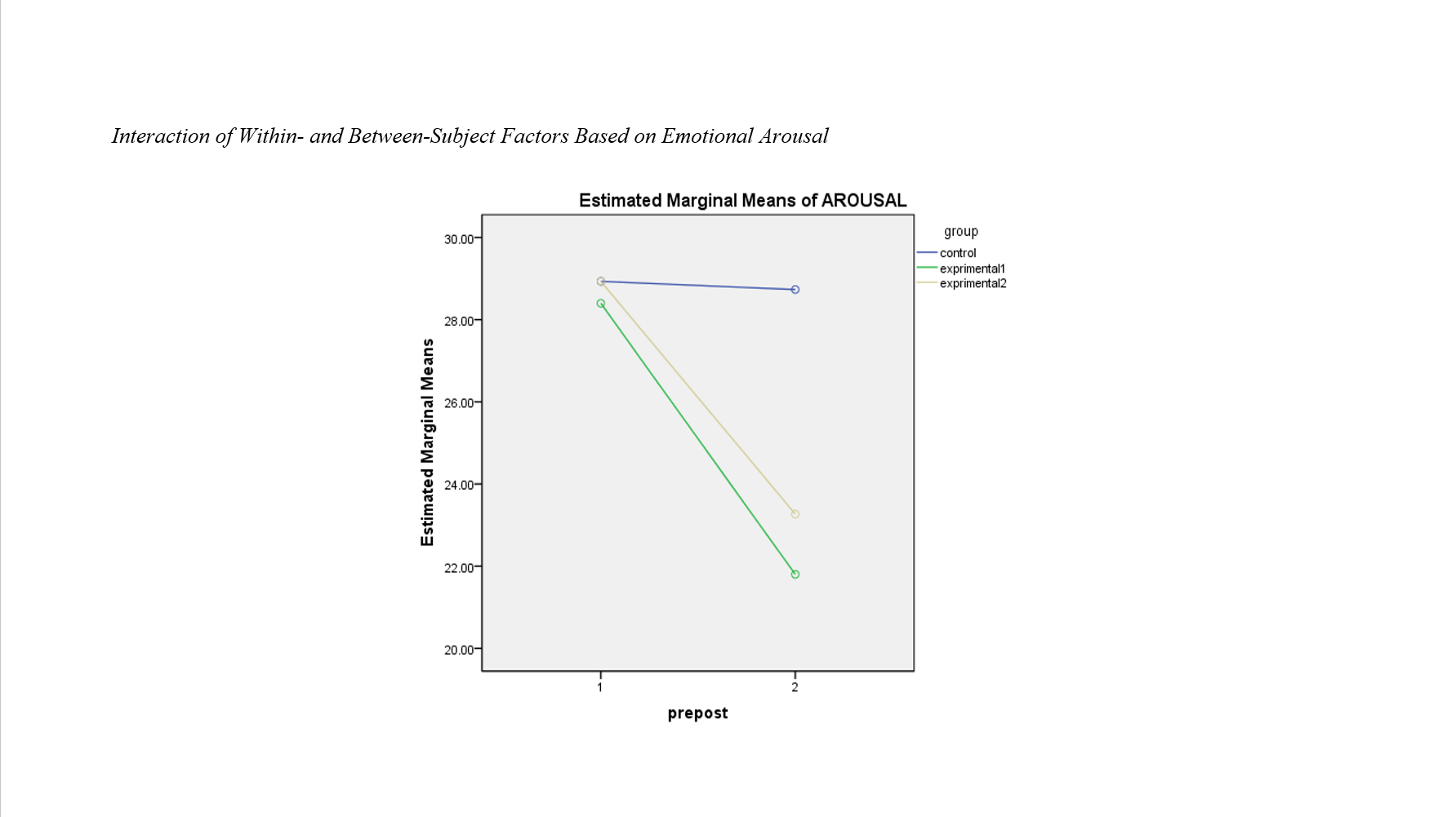
Findings: The results showed that both interventions led to a significant increase in problem-focused coping and a significant reduction in emotion-focused and avoidance coping styles, as well as decreased emotional arousal symptoms among adolescent girls in the experimental groups compared to the control group (p < .05). The within-group and interaction effects of time and group were statistically significant, while no significant differences were observed between the two intervention groups, indicating comparable efficacy of psychological debriefing and schema therapy in reducing post-traumatic symptoms.
Conclusion: Both schema therapy and psychological debriefing are effective trauma-focused interventions for adolescent girls affected by sexual abuse, improving coping strategies and reducing hyperarousal symptoms. Integrating these methods into a staged treatment protocol may optimize recovery outcomes for this vulnerable population.
Downloads
References
Avci, M. (2025). The repetition principle of traumatic dreams. Scientific reports, 15(1), 19945. https://doi.org/10.1038/s41598-025-05246-z
Baum, S., Lee, P., Awan, M. U., Mitha, S., Patel, H., Havron, W. S., & Elkbuli, A. (2025). Assessment of psychological debriefing models' components & effective implementation, and its impact on healthcare professionals stress management skills, mental wellbeing, and clinical performance. The American Journal of Surgery, 240, 116118. https://doi.org/10.1016/j.amjsurg.2024.116118
Bergold, L. B., Jensen, T. K., & Wentzel-Larsen, T. (2024). Comparative efficacy of psychological interventions in adolescent trauma survivors. Journal of Clinical Psychology, 80(3), 201–215. https://www.researchgate.net/publication/368317029_The_efficacy_of_psychological_interventions_for_PTSD_in_children_and_adolescents_exposed_to_single_vs_multiple_traumas_Meta-analysis_of_randomized_controlled_trials
Brzozowska, A., & Grabowski, J. (2025). Hyperarousal, Dissociation, Emotion Dysregulation and Re-Experiencing-Towards Understanding Molecular Aspects of PTSD Symptoms. International Journal of Molecular Sciences, 26(11), 5216. https://doi.org/10.3390/ijms26115216
Giroux, C., & Sciolla, A. F. (2024). Trauma-and stressor-related disorders. In Geriatric Psychiatry: A Case-Based Textbook (pp. 335–359). https://doi.org/10.1007/978-3-031-47802-4_14
Handelsalt, H., Arntz, A., & van Breukelen, G. (2022). Schema therapy mechanisms in trauma recovery. Psychotherapy Research, 32(6), 701–715. https://www.researchgate.net/publication/315797245_Schema_Therapy
Joshua, D., Taylor, C., & Wells, A. (2023). Long-term outcomes of schema therapy. Journal of consulting and clinical psychology, 91(7), 567–581. https://www.researchgate.net/publication/311971501_Does_schema_therapy_change_schemas_and_symptoms_A_systematic_review_across_mental_health_disorders
Mousavi, S., Nourizadeh, R., Babapour, J., Hakimi, S., & Mokhtari, F. (2024). Investigating the Effect of Debriefing Intervention on Postpartum Posttraumatic Stress Disorder. International Journal of Women's Health & Reproduction Sciences, 12(1). https://doi.org/10.15296/ijwhr.2023.29
Omopo, O. E. (2024). Exploring post-traumatic stress disorder: Causes, diagnostic criteria, and treatment options. International Journal of Academic Information Systems Research, 8(7), 35–44. https://www.researchgate.net/publication/382861665_Exploring_Post-Traumatic_Stress_Disorder_Causes_Diagnostic_Criteria_and_Treatment_Options
Parkes, M. (2021). Working with older people and complex posttraumatic stress disorder: a review of the field and case study using schema therapy. Clinical Psychologist, 25(2), 187–197. https://doi.org/10.1080/13284207.2021.1934428
Peters, L., van Asselt, A., & Arntz, A. (2022). Schema therapy for trauma. Psychotherapy Research, 32(5), 623–637. https://www.researchgate.net/publication/307510727_Schema_Therapy_for_Personality_Disorders_a_Qualitative_Study_of_Patients'_and_Therapists'_Perspectives
Spirou, D., Raman, J., Bishay, R. H., Ahlenstiel, G., & Smith, E. (2022). Childhood trauma, posttraumatic stress disorder symptoms, early maladaptive schemas, and schema modes: a comparison of individuals with obesity and normal weight controls. BMC psychiatry, 22(1), 517. https://doi.org/10.1186/s12888-022-04169-7
Tous, R., Navarro, B., & Forero, C. G. (2021). Immediate effects of psychological debriefing on acute stress responses. Journal of Traumatic Stress, 34(5), 678–692.
World Health, O. (2024). Global report on sexual violence. WHO Press. https://www.who.int/news-room/fact-sheets/detail/violence-against-women
Downloads
Additional Files
Publication Timeline
- Submitted
- Revised
- Accepted