Vol. 7 No. 1 (2026): Serial Number 41
					View Vol. 7 No. 1 (2026): Serial Number 41
Published: 2026-01-10

Articles

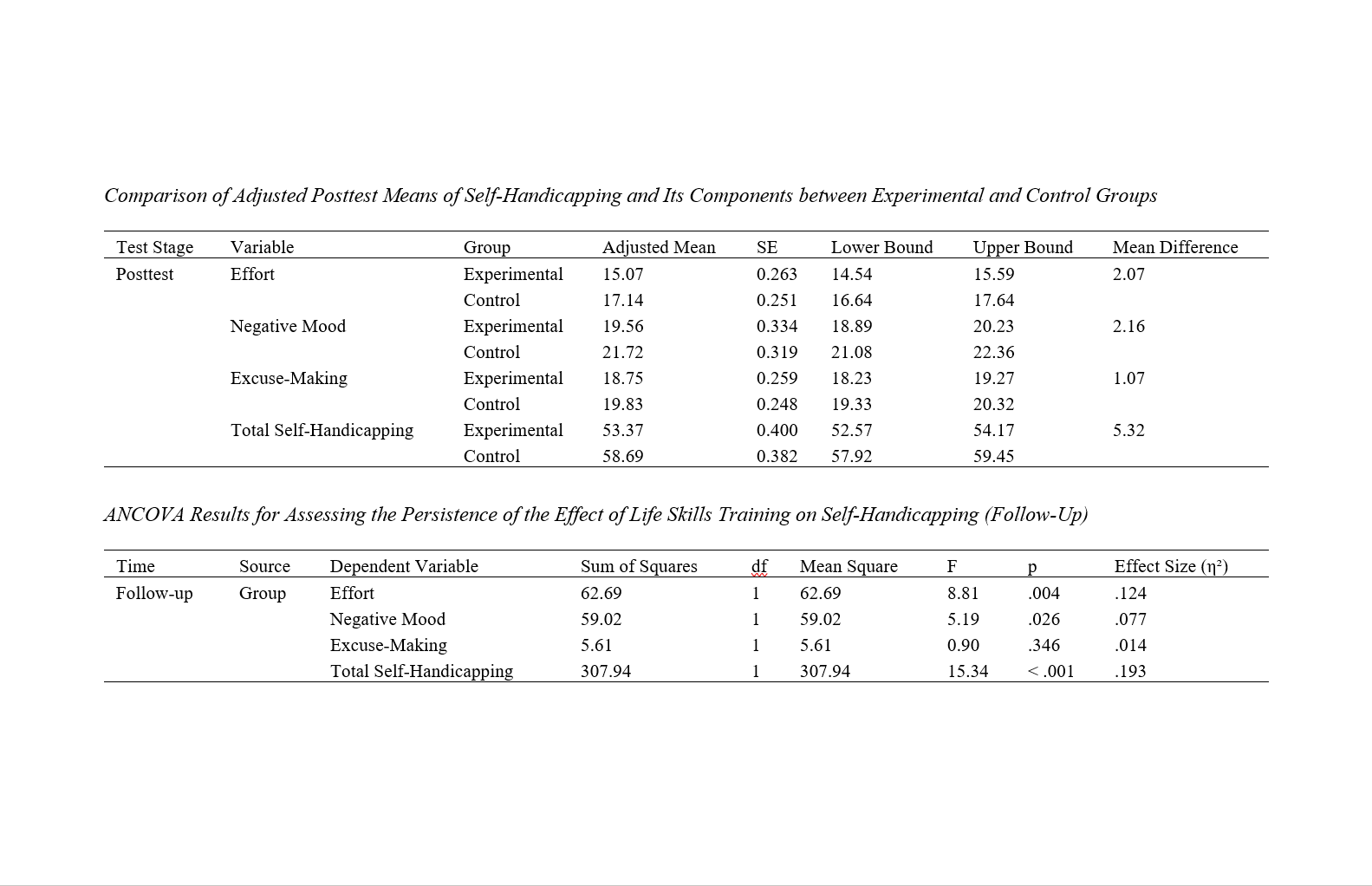
  • The Effectiveness of Life Skills Training on Self-Handicapping among Students

    Zahra Taghipour ; Ali Naseri *
    1-11
    https://doi.org/10.61838/
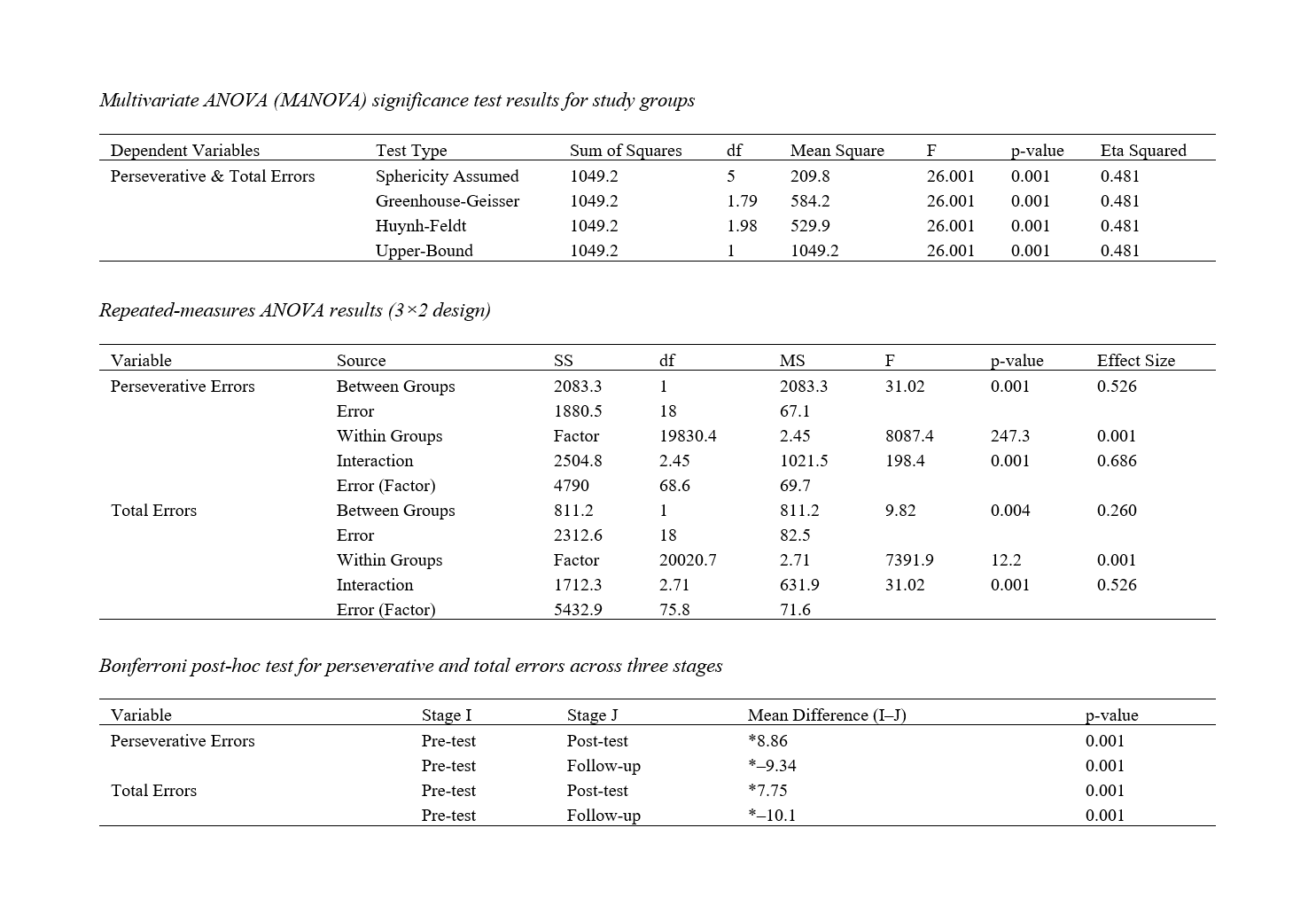
  • Development of a Cognitive–Physical Dual-Task Intervention Package and Its Effectiveness on Evidence Rate (Evidence Accumulation Speed) in Adolescent Girls

    Fereshteh Arsalandeh ; Maryam Moghadasin * ; Jafar Hasani , Hamid Rajabi
    1-11
    https://doi.org/10.61838/
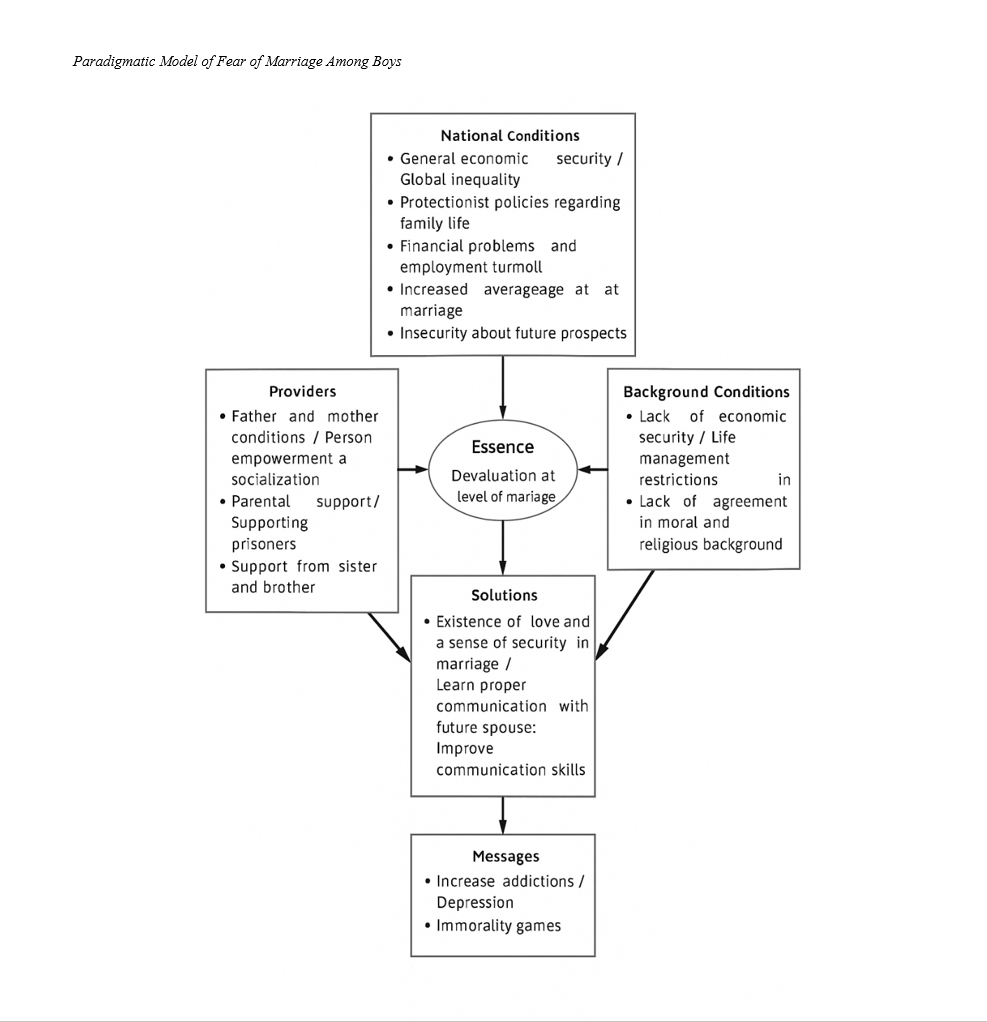
  • A Comparative Study Between the Paradigmatic Models of Girls and Boys in the Formation Process of Marriage Trauma

    Samaneh Shadmand ; Seyed Ali Hashemianfar * ; Saeid Aghasi
    1-12
    https://doi.org/10.61838/
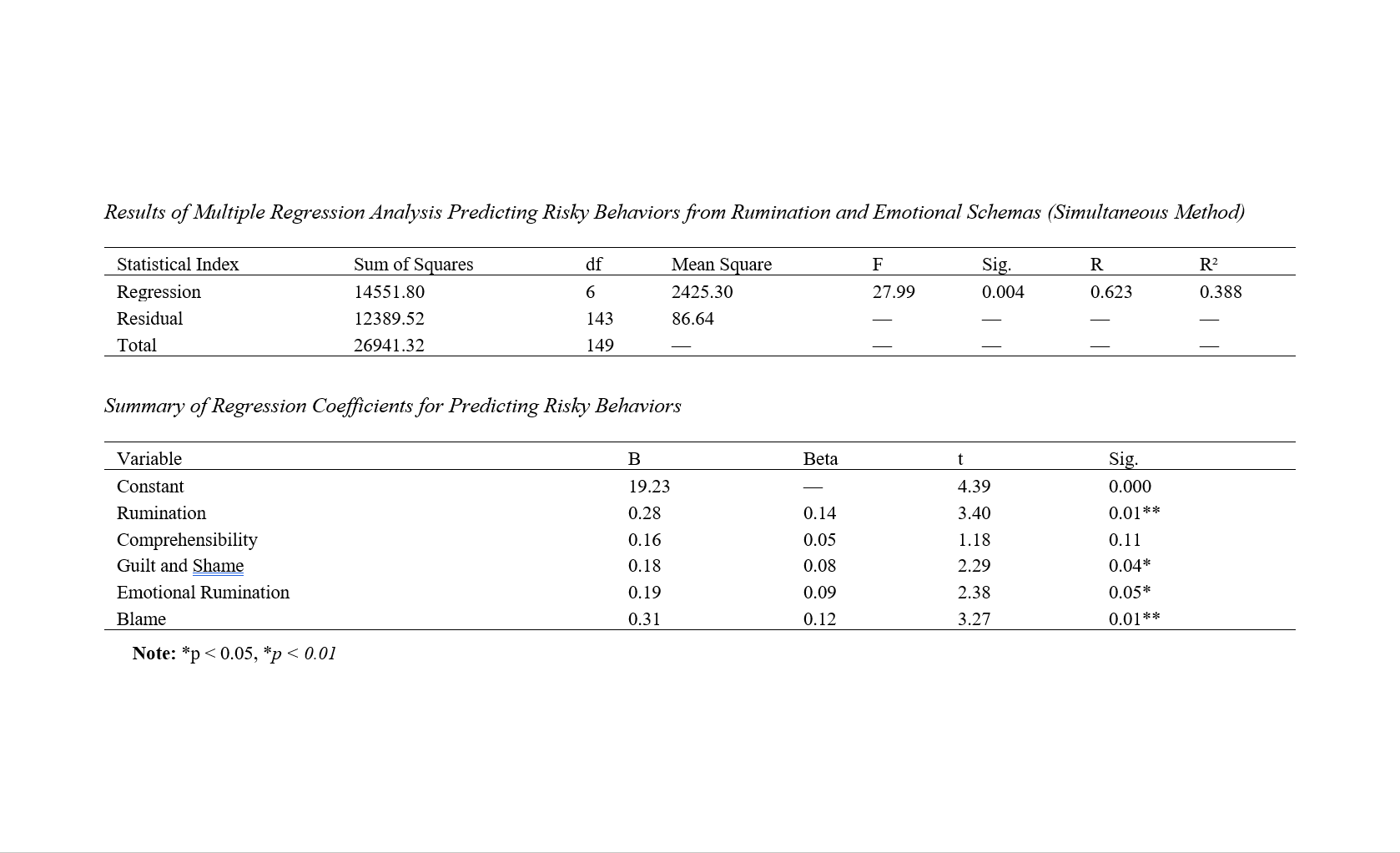
  • Predicting Risky Behaviors Based on Emotional Schemas and Rumination in Adolescents

    Majid Zolfi Oshtolagh ; Alireza Pirkhaefi *
    1-10
    https://doi.org/10.61838/
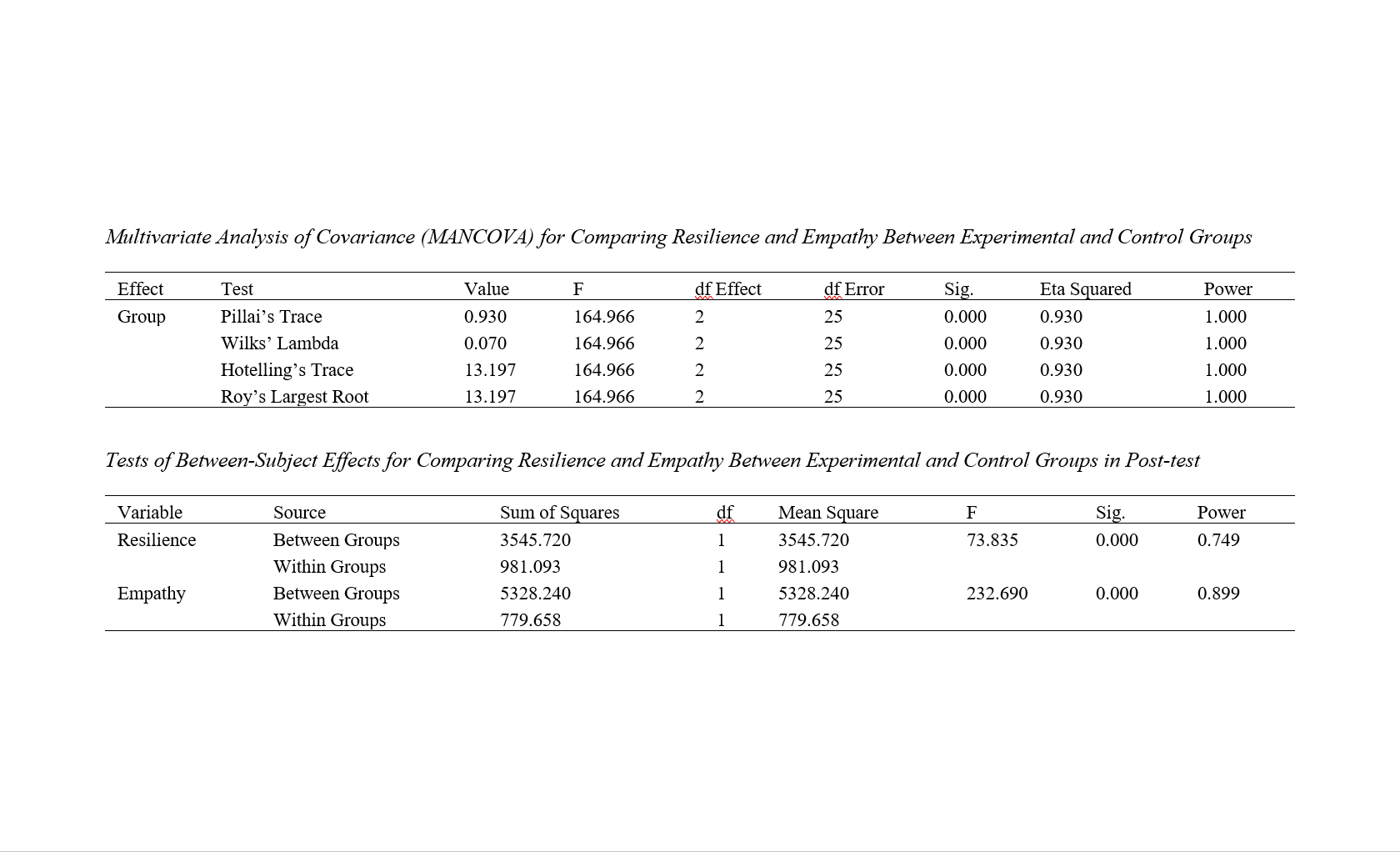
  • The Effectiveness of Assertiveness Training on Resilience and Empathy in High School Girls in Varamin

    Maryam Tajik Khaveh ; Morteza Andalib Koraim * ; Elham Zargami
    1-10
    https://doi.org/10.61838/
  • Effectiveness of Dialectical Behavior Therapy on Feelings of Rejection and Inferiority in Bereaved Adolescent Girls

    Azam Shahbazi , Navid NasrEsfahani ; Zahra Yousefi *
    1-11
    https://doi.org/10.61838/
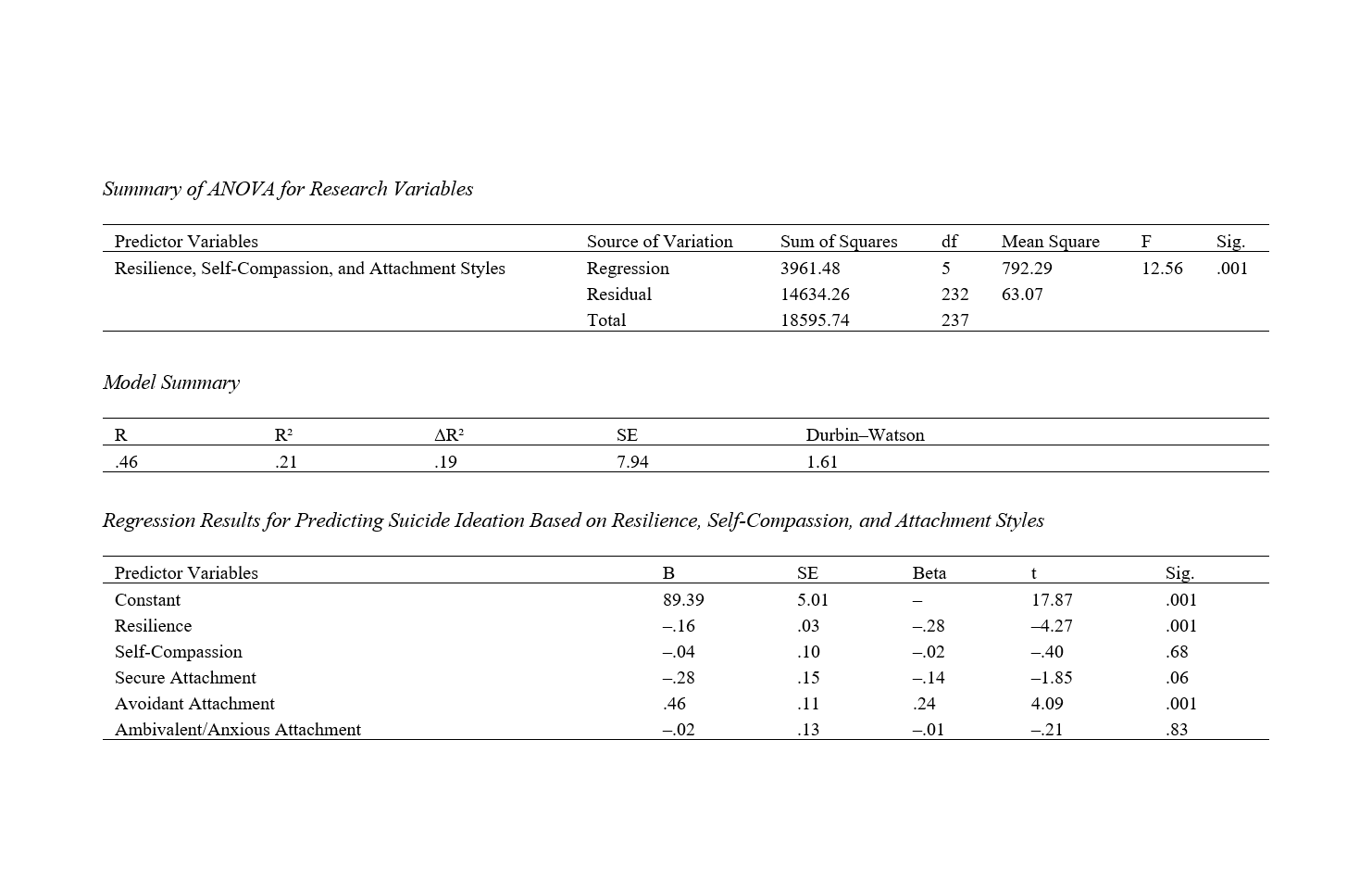
  • Prediction of Suicidal Ideation Based on Resilience, Self-Compassion, and Attachment Styles in Adolescent Girls

    Rana Yaqoubi Mamaghani ; Mozhgan Abbasi Abrazgah *
    1-10
    https://doi.org/10.61838/
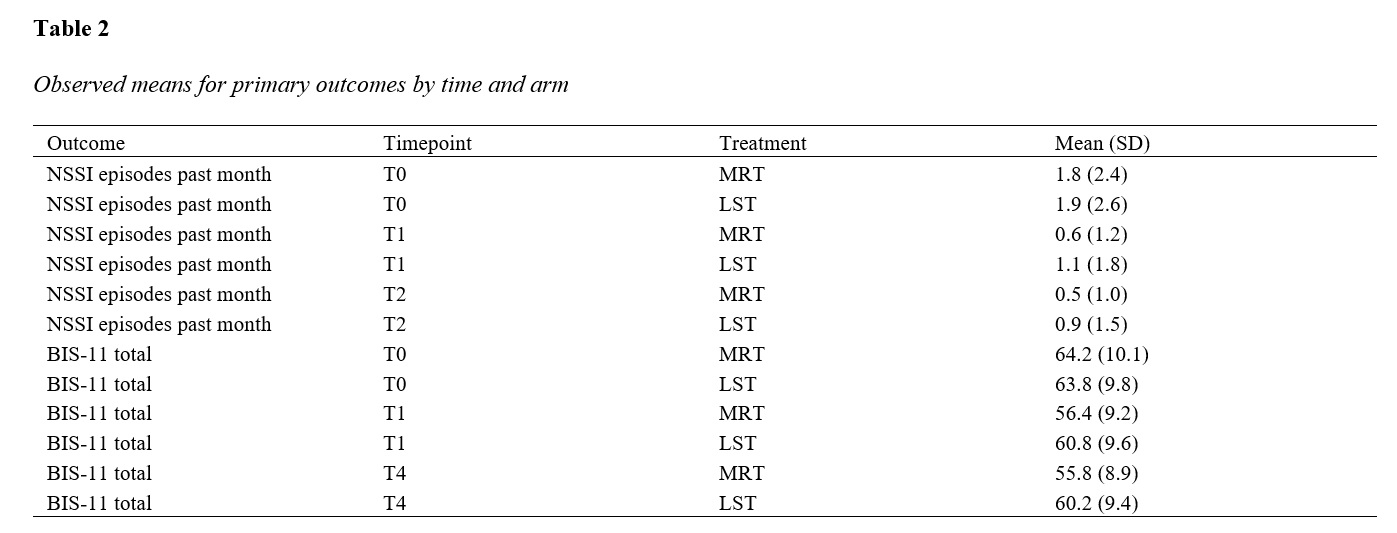
  • A Randomized Controlled Trial of Moral Reasoning Training versus General Life Skills Training to Reduce Impulsivity and Non-Suicidal Self-Injury in Adolescents

    Sajedeh Sharifi ; Saeed Doshmanfana * ; Fateme Yousefvand , Mahsa Teimouri , Mona Khalednejad
    1-12
    https://doi.org/10.61838/
  • Developing a Causal Model of Academic Buoyancy in Gifted Students in Tehran Based on Perceived Parental Relationships and Perceived Teacher–Student Relationships: The Mediating Role of Academic Pressure and Socio-Emotional Competence

    Soudabeh Ershadi Manesh *
    1-10
    https://doi.org/10.61838/
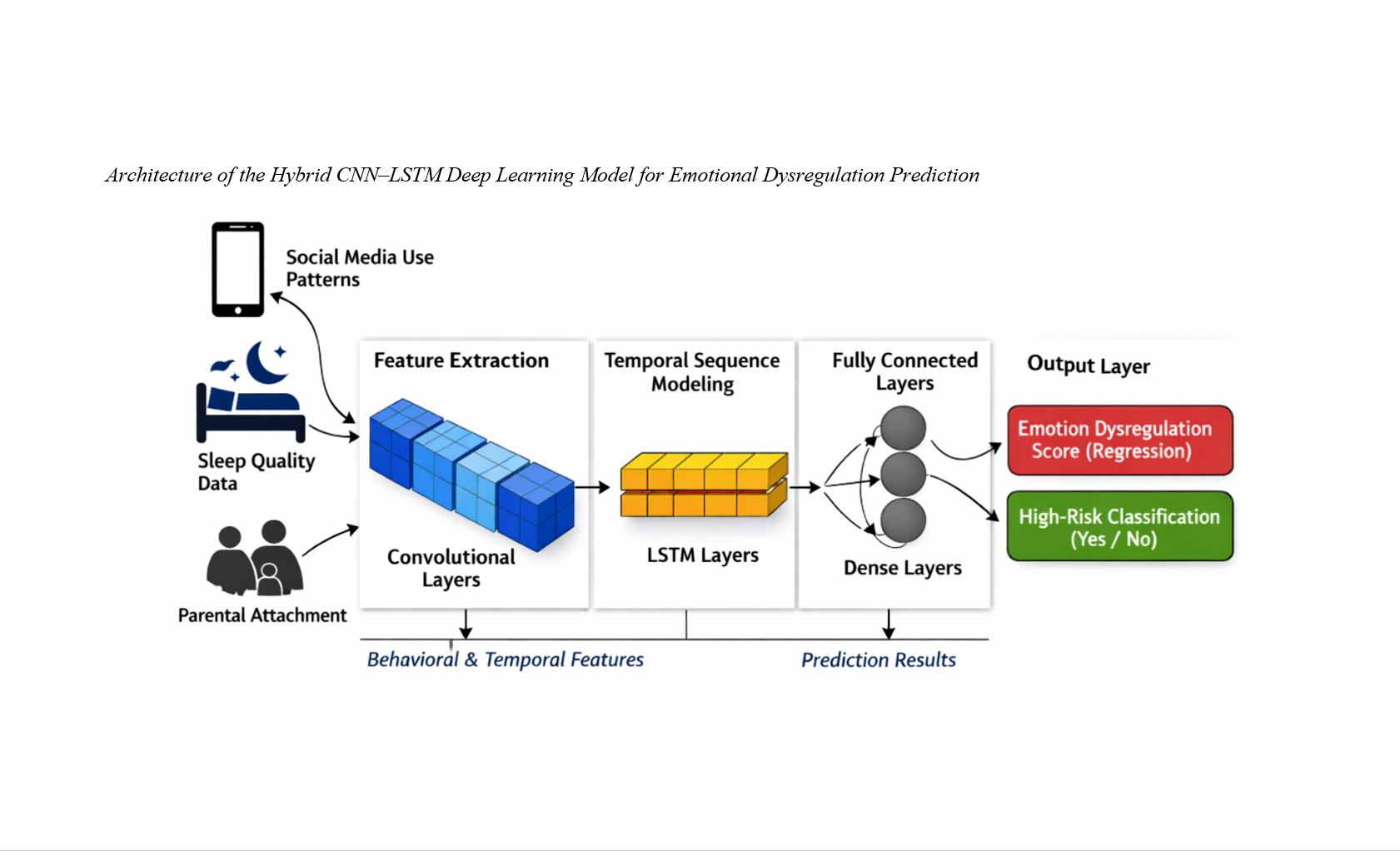
  • Deep Learning Prediction of Emotional Dysregulation in Adolescents Based on Social Media Use Patterns, Sleep Quality, and Parental Attachment Styles

    Arman Hovhannisyan ; Daniela Restrepo * ; Nino Tsiklauri
    1-10
    https://doi.org/10.61838/
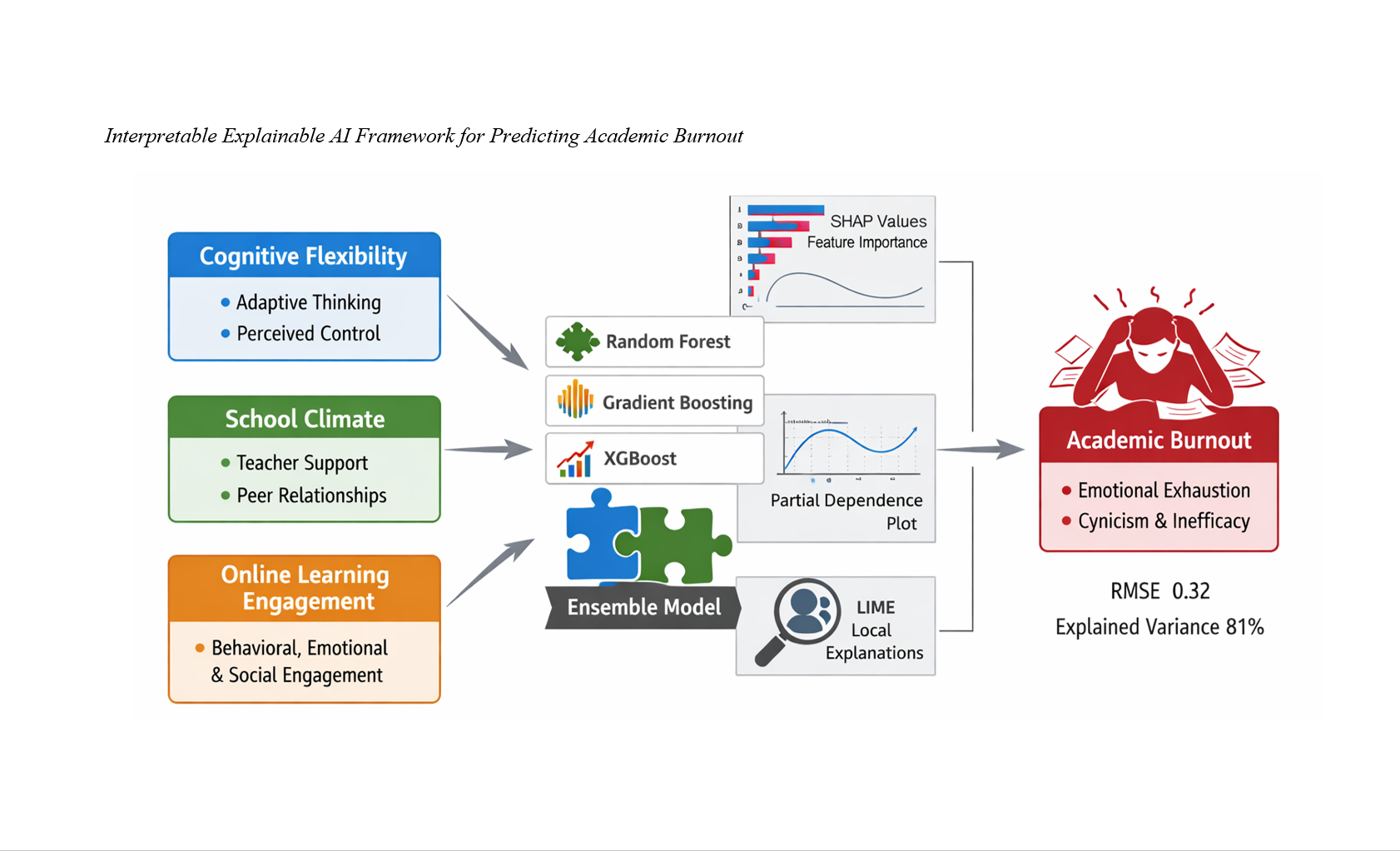
  • Explainable AI Modeling of Academic Burnout in High School Students Using Cognitive Flexibility, School Climate, and Online Learning Engagement

    Yara Mahfouz ; Zhang Minyi *
    1-9
    https://doi.org/10.61838/
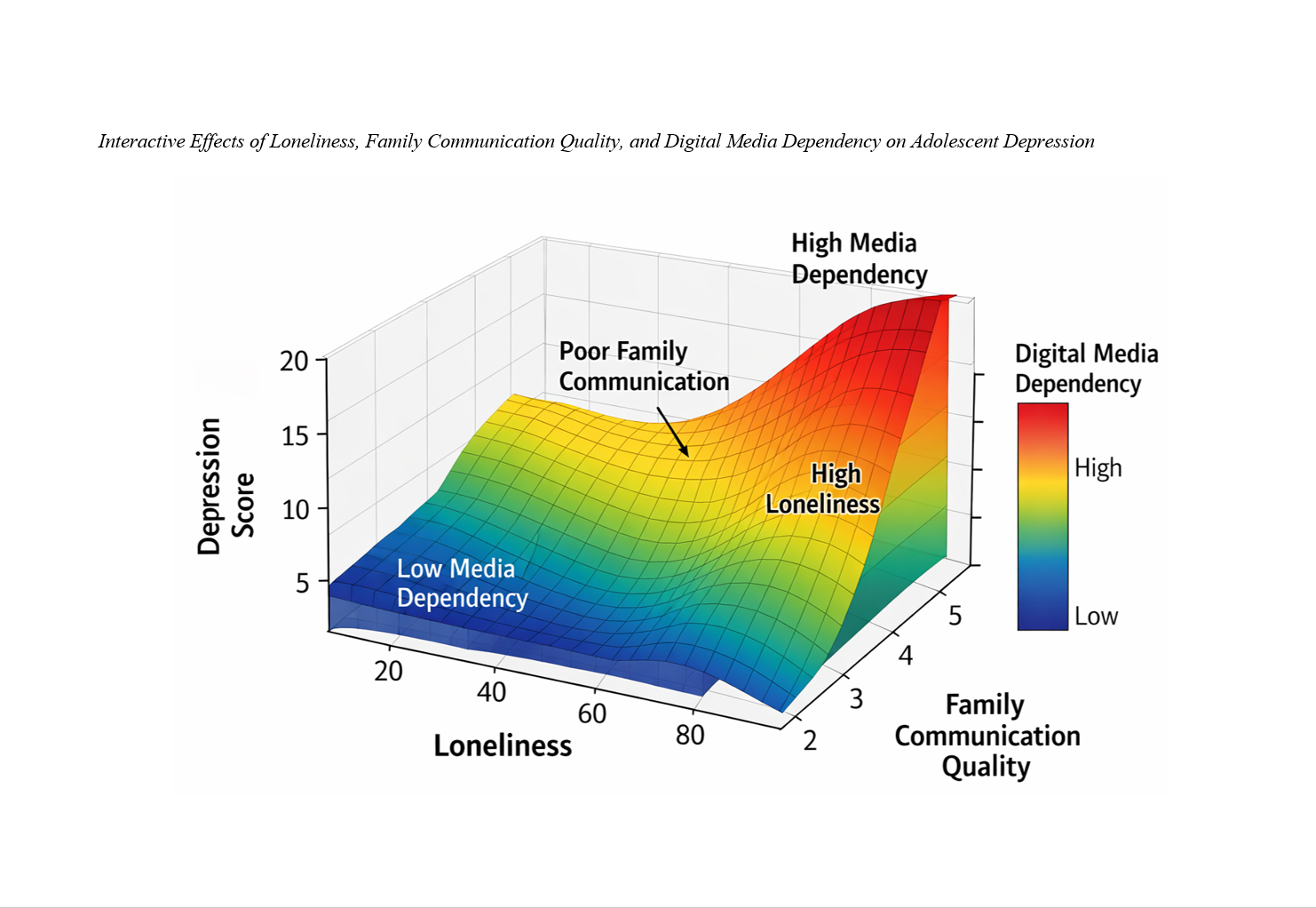
  • Neural Network Analysis of Adolescent Depression: The Interactive Roles of Loneliness, Family Communication Quality, and Digital Media Dependency

    Leila Ben Amor ; Aditya Prasetyo * ; Anna Nikolaidis
    1-9
    https://doi.org/10.61838/
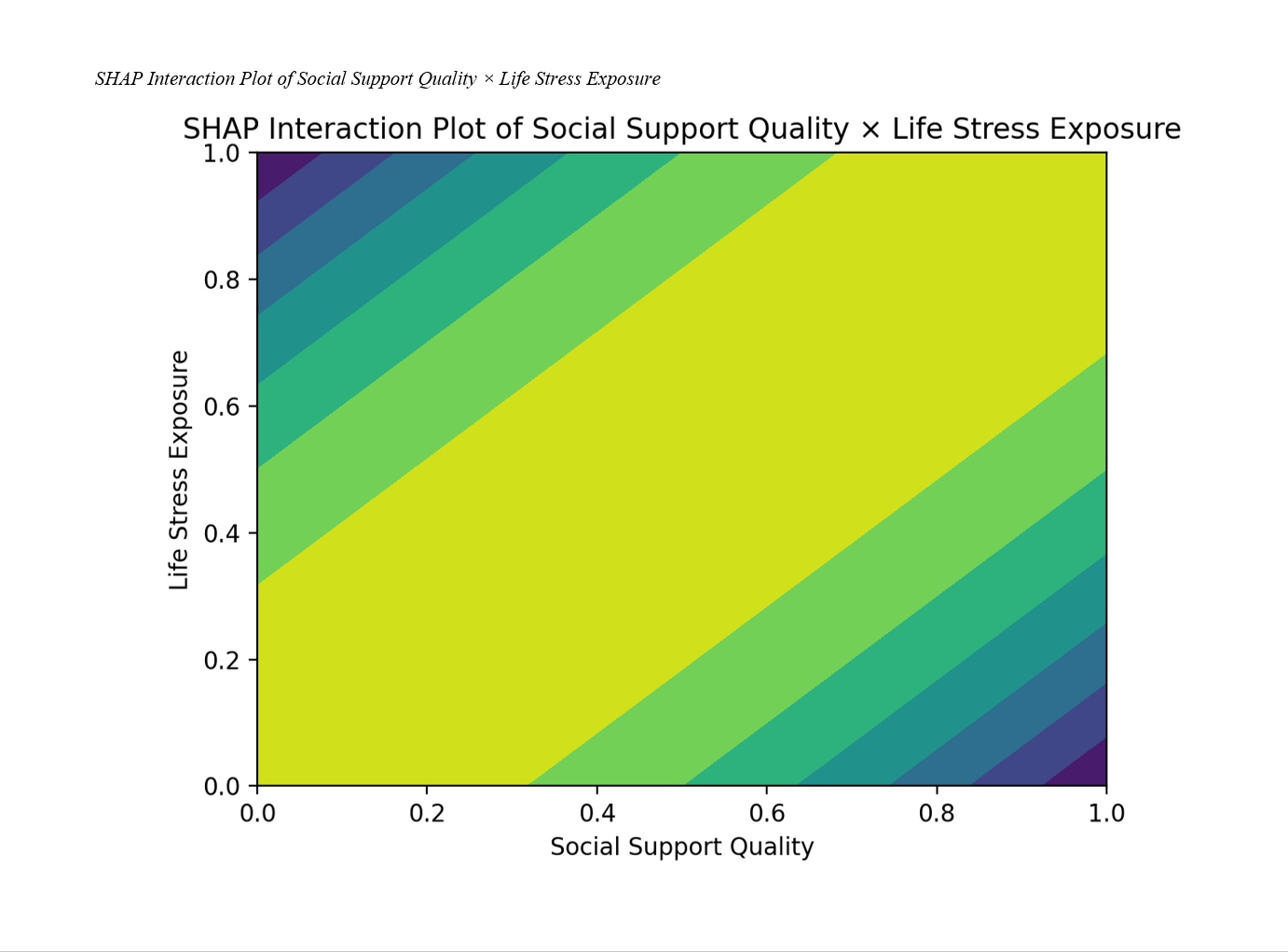
  • Explainable AI Modeling of Adolescents’ Psychological Adjustment Using Coping Styles, Social Support Quality, and Life Stress Exposure

    Rana Kareem * ; Kittipong Chaiyasit , Aleksandra Kowalska
    1-9
    https://doi.org/10.61838/
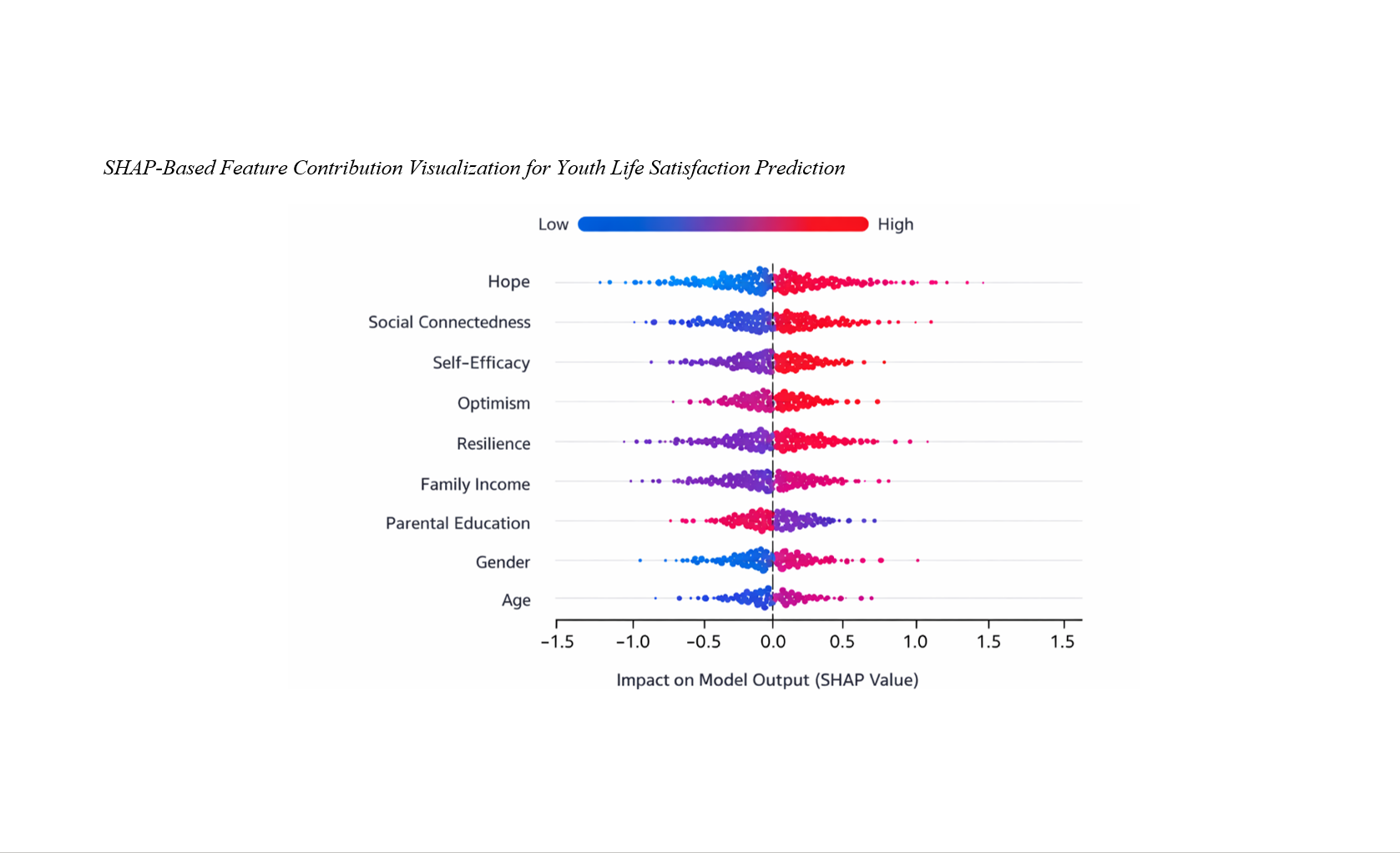
  • Feature Contribution Analysis of Youth Life Satisfaction Using Psychological Capital and Social Connectedness

    Rachid El Amrani * ; Fernanda Ortega
    1-9
    https://doi.org/10.61838/
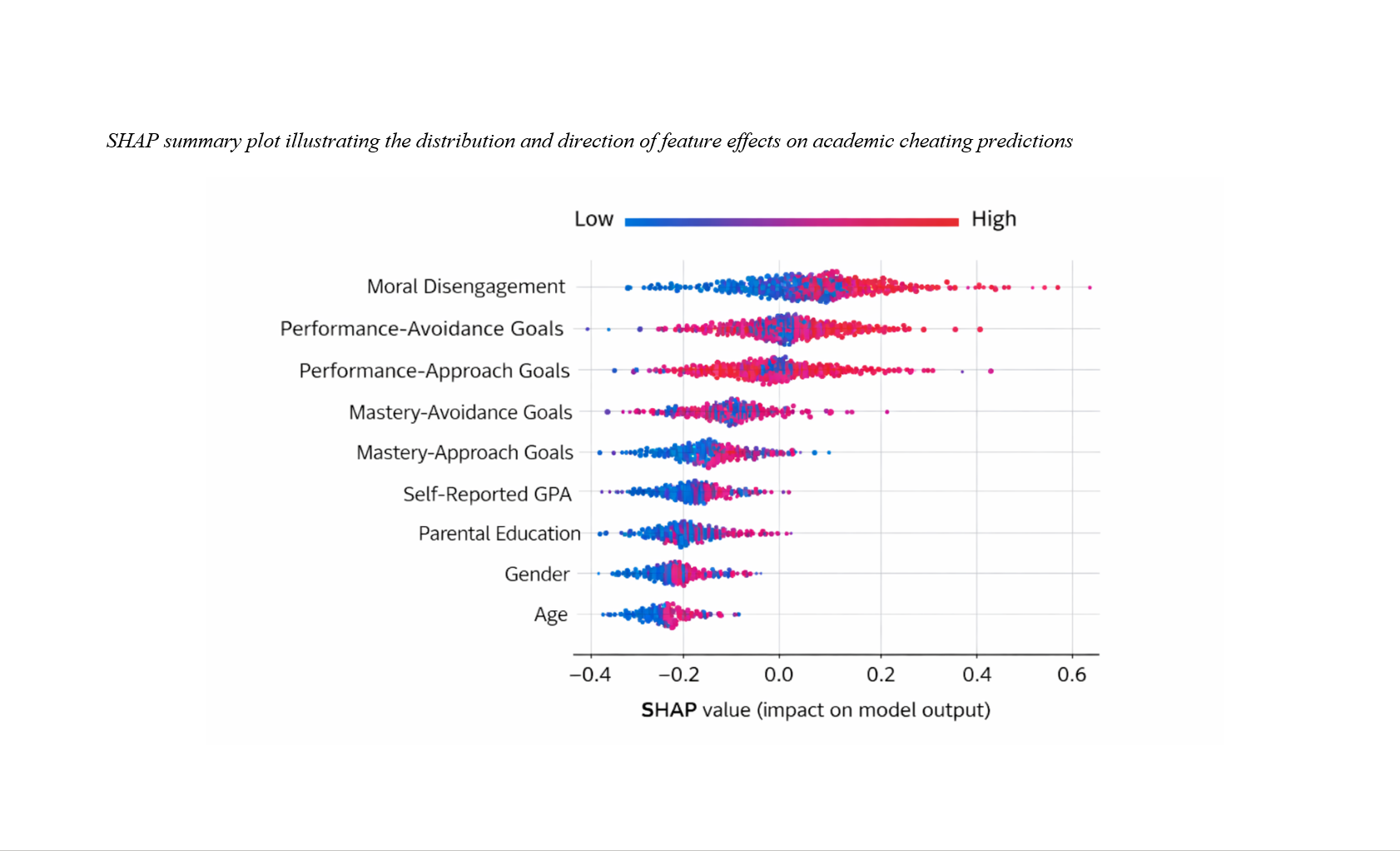
  • Interpretable Gradient Boosting Analysis of Academic Cheating in Adolescents Using Moral Disengagement and Achievement Goals

    Asma Trabelsi ; Rebecca Nolan * ; Rafael Costa
    1-11
    https://doi.org/10.61838/
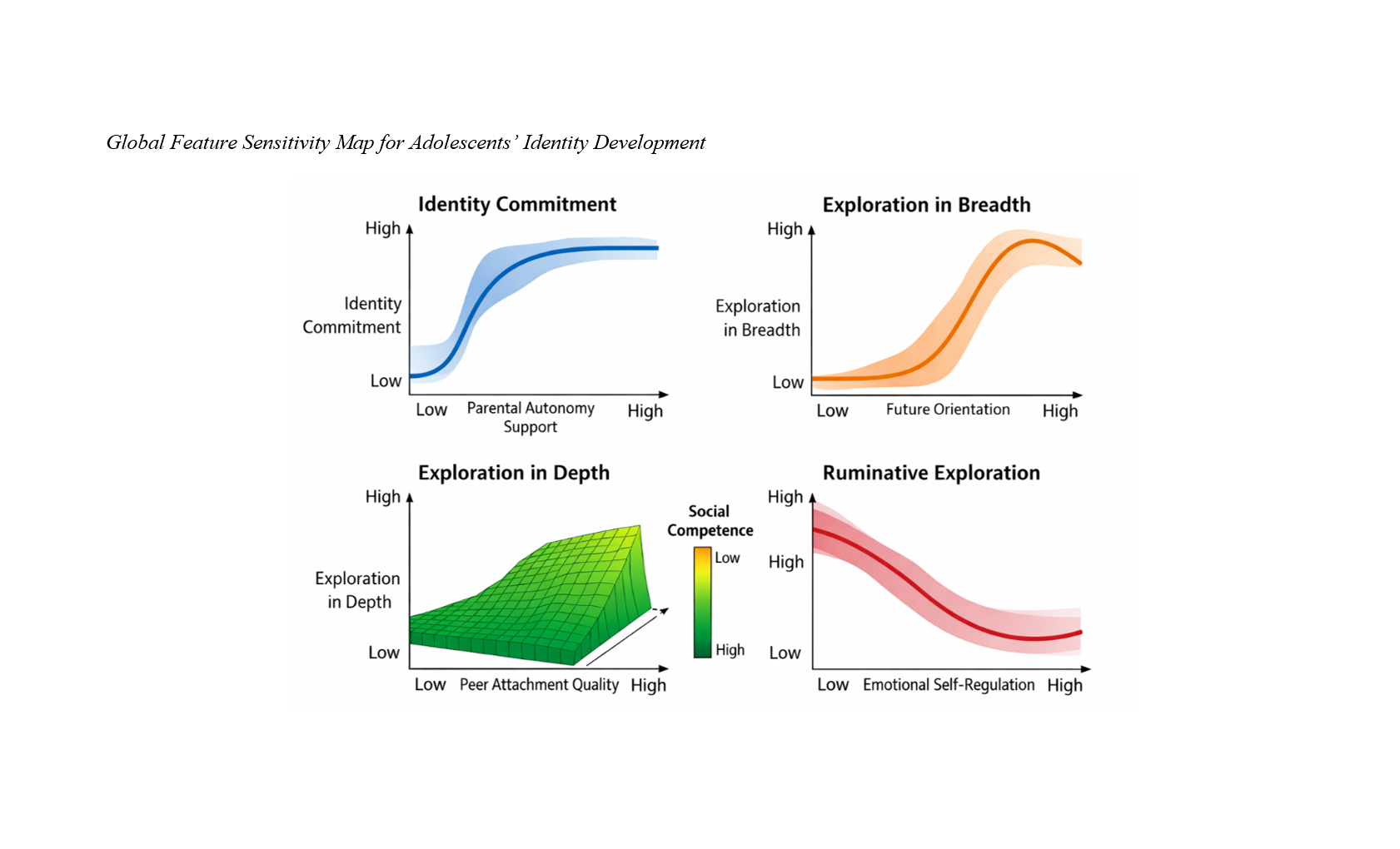
  • Feature Sensitivity Mapping of Adolescents’ Identity Development: An Interpretable Machine Learning Study in Brazil

    Siti Nurhaliza Binti Mahmud ; Becky Lima * ; Judith Wanjiku
    1-10
    https://doi.org/10.61838/
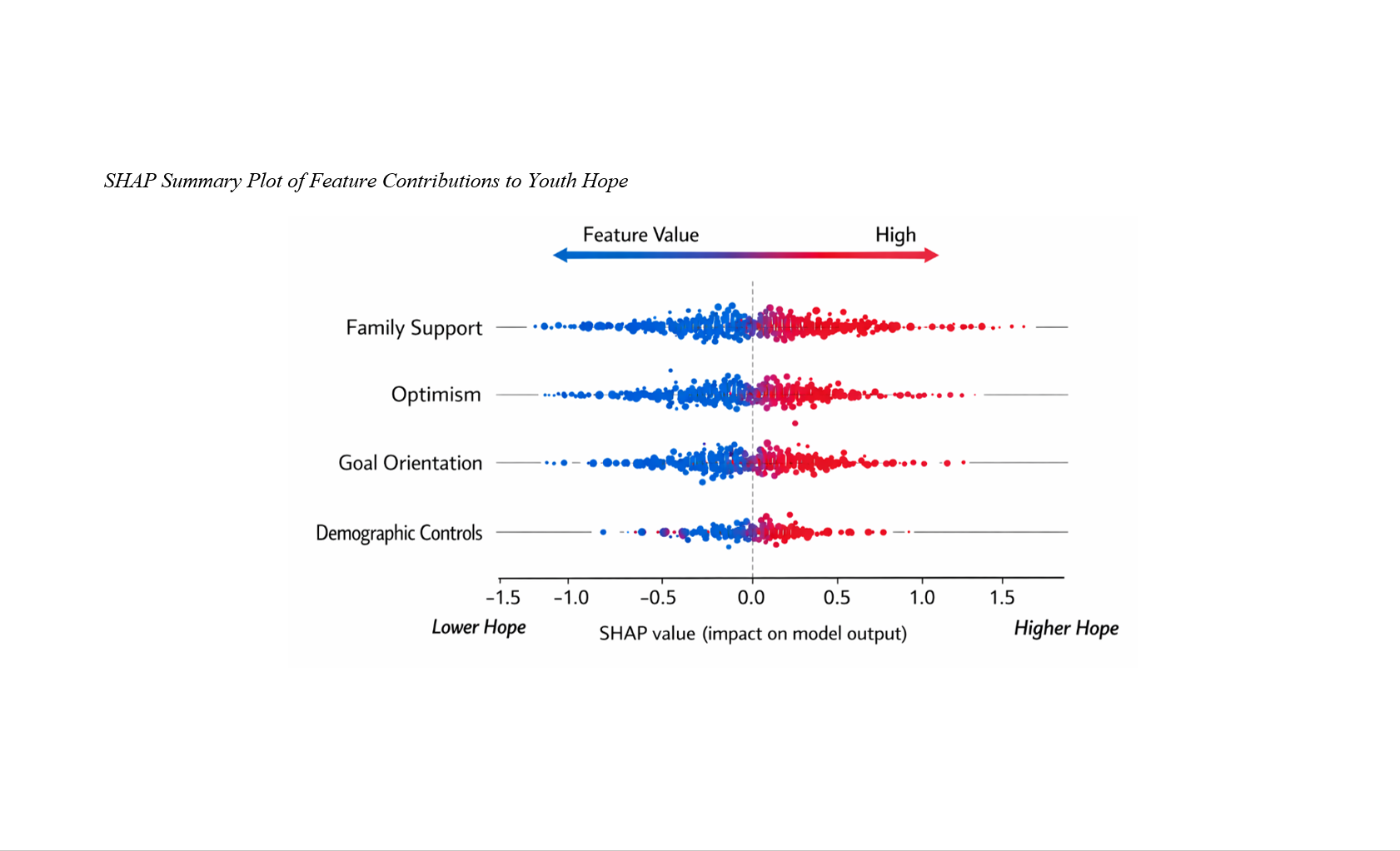
  • Explainable AI Modeling of Hope in Youth Using Feature Attribution of Optimism, Goal Orientation, and Family Support

    Florian Bauer ; Allison Freeman *
    1-9
    https://doi.org/10.61838/
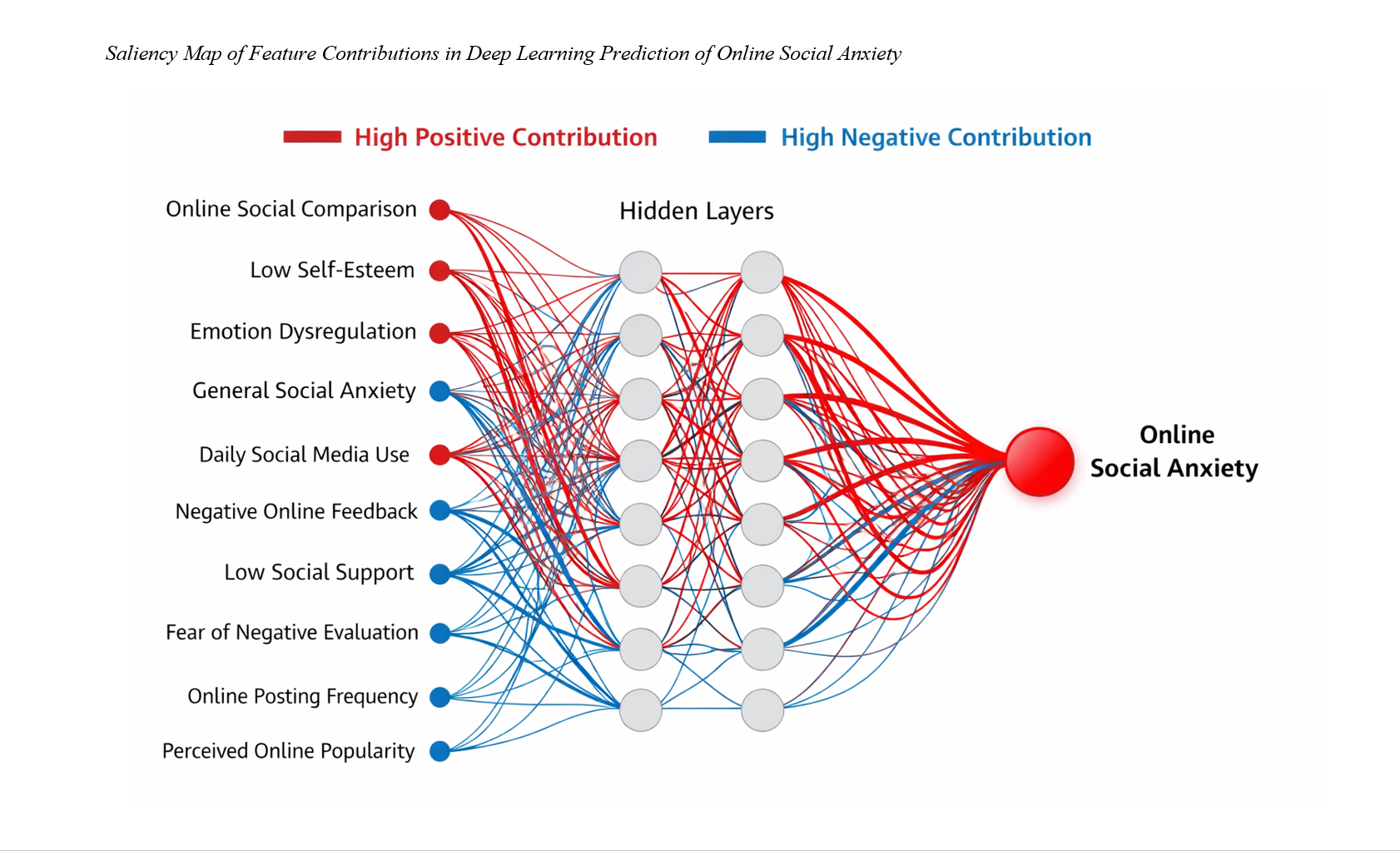
  • Interpretable Deep Learning Analysis of Online Social Anxiety in Adolescents Using Feature Saliency Mapping

    Johanna Meier ; Lukas Gruber * ; Camila Torres
    1-10
    https://doi.org/10.61838/