















The Impact of Artificial Intelligence Use on Students’ Innovative Behavior and Well-Being: The Mediating Role of Digital Literacy and the Moderating Role of Happiness
|
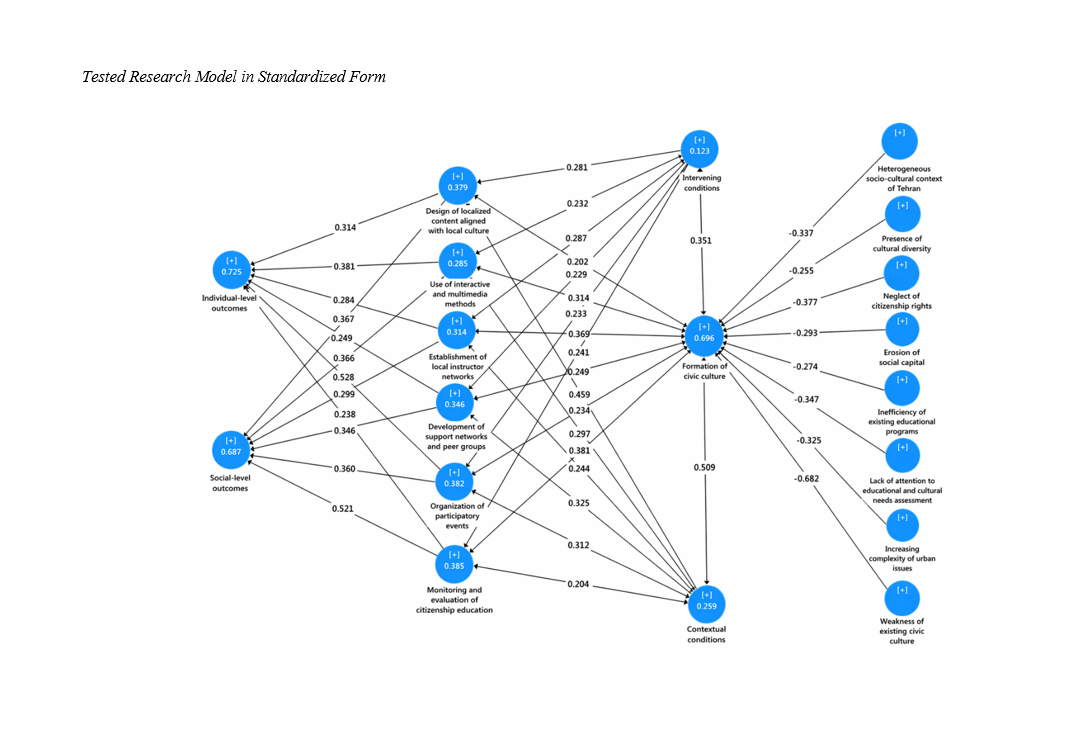
Objective: The present study aimed to investigate the effect of artificial intelligence use on students’ innovative behavior and well-being through the mediating role of digital literacy and the moderating role of happiness. Methods and Materials: This study was applied research in terms of purpose and descriptive-survey in terms of methodology. The statistical population consisted of all male and female lower and upper secondary school students in Langarud during the 2025–2026 academic year. Based on the Krejcie and Morgan table, 367 students were selected through stratified random sampling. Data collection instruments included the Innovative Behavior Questionnaire by Ng and Lucianetti (2016), Student Well-Being Questionnaire by Zheng et al. (2015), Artificial Intelligence Use Questionnaire by Long and Magerko (2020), Digital Literacy Questionnaire by Ibrahim et al. (2024), and the Happiness Questionnaire by Hills and Argyle (2002). Data analysis was conducted using descriptive statistics, the Kolmogorov–Smirnov test, and structural equation modeling (SEM) through SmartPLS software at a 95% confidence level. Finding: The results indicated that artificial intelligence use had a positive and significant effect on innovative behavior (β = 0.357, t = 6.165), digital literacy (β = 0.541, t = 14.222), and student well-being (β = 0.387, t = 6.984). In addition, digital literacy positively and significantly affected innovative behavior (β = 0.245, t = 4.786) and student well-being (β = 0.301, t = 5.339). The findings further demonstrated that digital literacy mediated the relationship between artificial intelligence use and both innovative behavior and student well-being. Moreover, happiness significantly moderated the relationship between artificial intelligence use and innovative behavior (β = 0.113, t = 2.298), indicating that higher levels of happiness strengthened the positive effect of artificial intelligence use on innovative behavior. Conclusion: The findings suggest that artificial intelligence use can improve students’ innovative behavior and well-being when accompanied by higher levels of digital literacy and happiness. Digital literacy plays a crucial role in facilitating the positive outcomes of AI-based educational environments, while happiness strengthens students’ innovative responses to technology use. |
Designing an Appropriate Model of Managers’ Decision-Making Styles by Considering Managers’ Spiritual Intelligence and Employees’ Organizational Citizenship Behavior
|
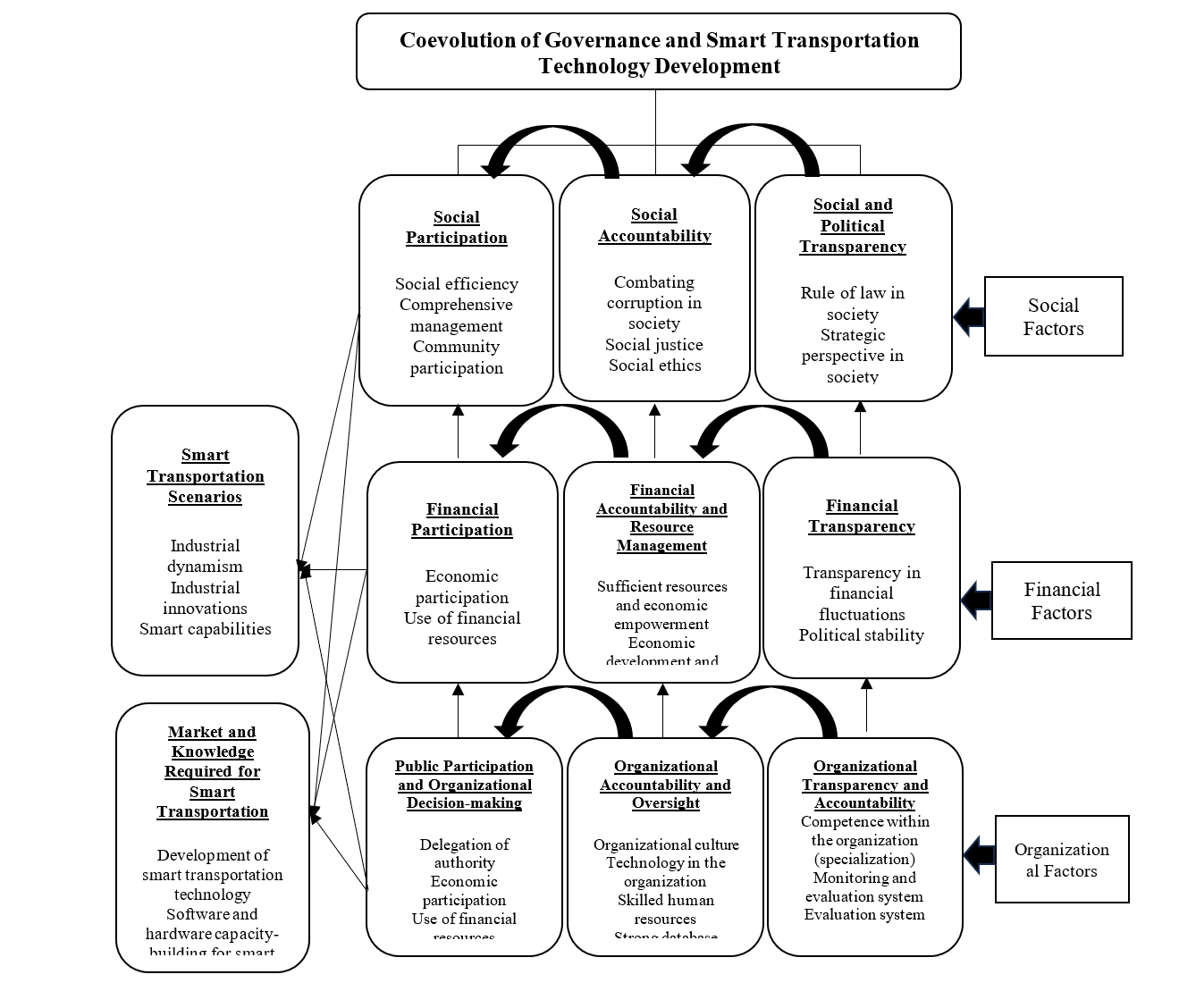
Objective: The present study aimed to design and test an appropriate model of managers’ decision-making styles based on managers’ spiritual intelligence and employees’ organizational citizenship behavior among managers and employees of Islamic Azad University in Sistan and Baluchestan Province. Methods and Materials: This study was conducted using an applied, descriptive-correlational design with a structural equation modeling approach. The statistical population included all managers and employees of Islamic Azad University in Sistan and Baluchestan Province during the 2020–2021 academic year. Sampling was performed using a stratified sampling method. Based on Cochran’s formula, 146 employees were selected from among 300 employees and 57 managers were selected from among 70 managers, resulting in a total sample of 203 participants. Data were collected using the General Decision-Making Style Questionnaire, the Spiritual Intelligence Self-Report Inventory, and the Organizational Citizenship Behavior Questionnaire. The reliability and validity of the instruments were confirmed through Cronbach’s alpha coefficients, composite reliability, and confirmatory factor analysis. Data analysis was conducted using descriptive statistics, Pearson correlation analysis, and structural equation modeling through SPSS and AMOS software. Findings: The results demonstrated that spiritual intelligence had a significant positive effect on rational decision-making style (β = 0.61, p = 0.001) and intuitive decision-making style (β = 0.37, p = 0.001), while it had a significant negative effect on avoidant decision-making style (β = -0.46, p = 0.001). Organizational citizenship behavior also positively influenced rational decision-making style (β = 0.42, p = 0.001) and negatively affected avoidant decision-making style (β = -0.34, p = 0.001). Furthermore, spiritual intelligence significantly predicted organizational citizenship behavior (β = 0.66, p = 0.001). Conclusion: The findings of the present study indicated that spiritual intelligence and organizational citizenship behavior play substantial roles in shaping managers’ decision-making styles within higher education institutions. |
Developing a Performance-Based Educational Leadership Competency Development Model with a Futures Studies Approach: A Systematic Meta-Synthesis of International Studies
|
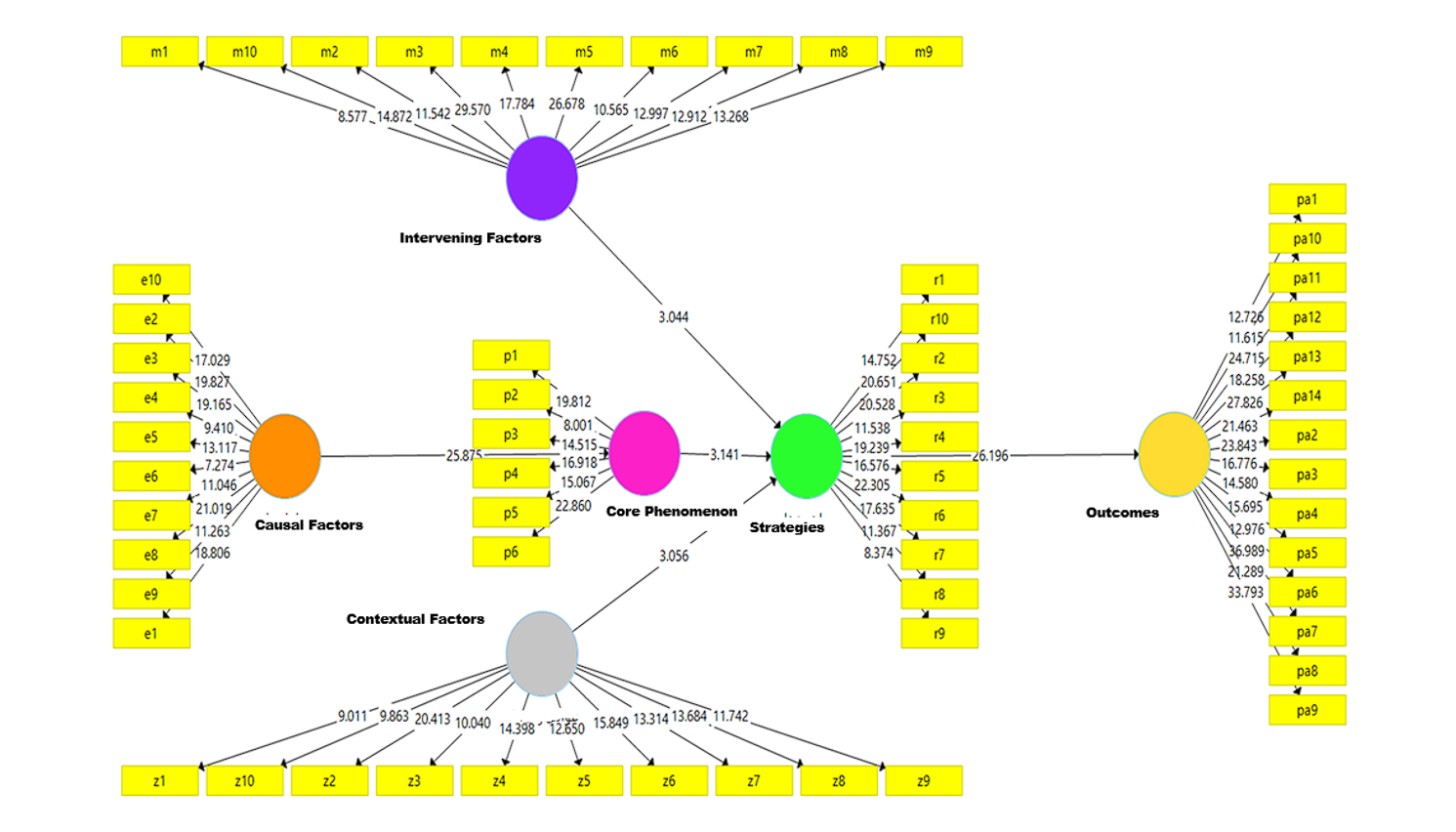
Objective: The present study aimed to develop a comprehensive model of performance-based educational leadership competencies using a futures studies approach through the systematic meta-synthesis of international studies published between 2015 and 2025. Methods and Materials: This study employed a qualitative meta-synthesis approach based on the interpretive framework of Noblit and Hare (1988) and the seven-step procedure of Sandelowski and Barroso. Scientific databases including Scopus, ERIC, Google Scholar, SID, Magiran, ScienceDirect, and Noormags were systematically searched using keywords related to educational leadership competencies, performance-based leadership, educational management, and competency development. Initially, 145 studies published between 2015 and 2025 were identified. After applying inclusion and exclusion criteria and conducting title, abstract, and full-text screening, 35 valid qualitative and mixed-method studies were selected for final analysis. Open coding, thematic synthesis, and axial categorization were utilized to extract conceptual categories and formulate the final competency model. Findings: The findings revealed that performance-based educational leadership competencies possess a multidimensional and interdisciplinary structure organized into three major levels: causal, executive, and contextual. At the causal level, macro-leadership, policy-oriented transformation, analytical leadership, and data-driven decision-making emerged as the primary drivers of educational transformation. At the executive level, transformational and innovative leadership, learner-oriented leadership, organizational learning, and human resource empowerment were identified as core dimensions of leadership performance. At the contextual level, higher education governance, organizational culture, decentralization, and supportive policy environments were recognized as structural foundations for leadership effectiveness. Conclusion: The results indicate that effective educational leadership in contemporary educational systems requires an integrated combination of transformational, analytical, learner-centered, and performance-based competencies. |
The Effect of Similarity Bias on Auditor Professional Judgment with Emphasis on the Moderating Role of Self-Esteem
|
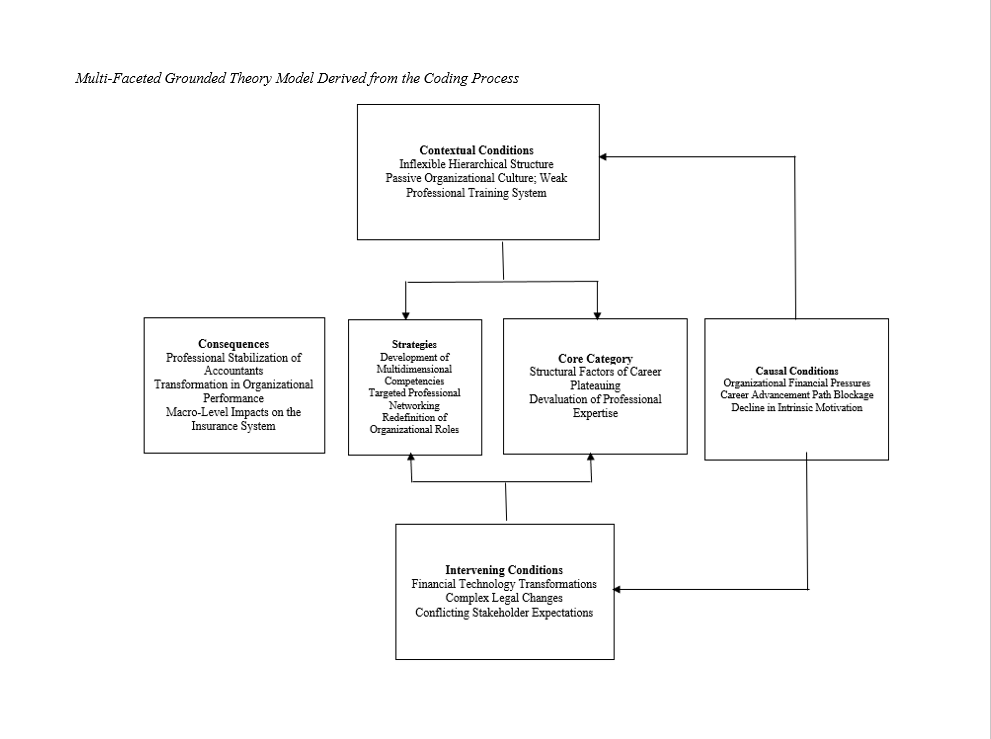
Objective: The present study aimed to investigate the effect of similarity bias on auditors’ professional judgment and to examine the moderating role of self-esteem in this relationship. Methods and Materials: This study was applied research in terms of purpose and descriptive-survey research in terms of data collection method. The statistical population consisted of auditors employed by the Audit Organization and audit firms affiliated with the Iranian Association of Certified Public Accountants. Based on the Krejcie and Morgan sampling table, 139 auditors were selected as the study sample. Data were collected using standardized questionnaires related to similarity bias, auditor professional judgment, and self-esteem. Similarity bias was examined through two questionnaires distributed with a one-month interval, differing only in the similarity-bias scenario. Auditor professional judgment was measured using the Jenkins and Haynes questionnaire utilized in the study by Puspa (2008), while self-esteem was measured using the Rosenberg Self-Esteem Scale. Data analysis was performed using descriptive and inferential statistics, including Cronbach’s alpha reliability analysis, AVE and HTMT validity tests, Kolmogorov–Smirnov normality testing, and structural equation modeling for hypothesis testing. Findings: The findings demonstrated that similarity bias had a significant negative effect on auditors’ professional judgment (β = -0.361, t = 4.574, p < 0.001), indicating that increased similarity bias reduces the quality and objectivity of professional judgment. In contrast, self-esteem had a significant positive effect on auditor professional judgment (β = 0.271, t = 3.435, p = 0.001), suggesting that auditors with higher self-esteem demonstrate more accurate and confident professional judgments. However, the moderating effect of self-esteem on the relationship between similarity bias and auditor professional judgment was not statistically significant (β = -0.038, t = 0.822, p = 0.411). Therefore, the moderating hypothesis was rejected. Conclusion: The results indicate that cognitive biases, particularly similarity bias, can significantly impair auditors’ professional judgment and potentially threaten audit quality and objectivity. At the same time, self-esteem contributes positively to auditors’ decision-making quality and professional confidence. |
Predicting Employee Innovative Work Behavior from Psychological Safety and Proactive Personality Using Machine Learning Models
|
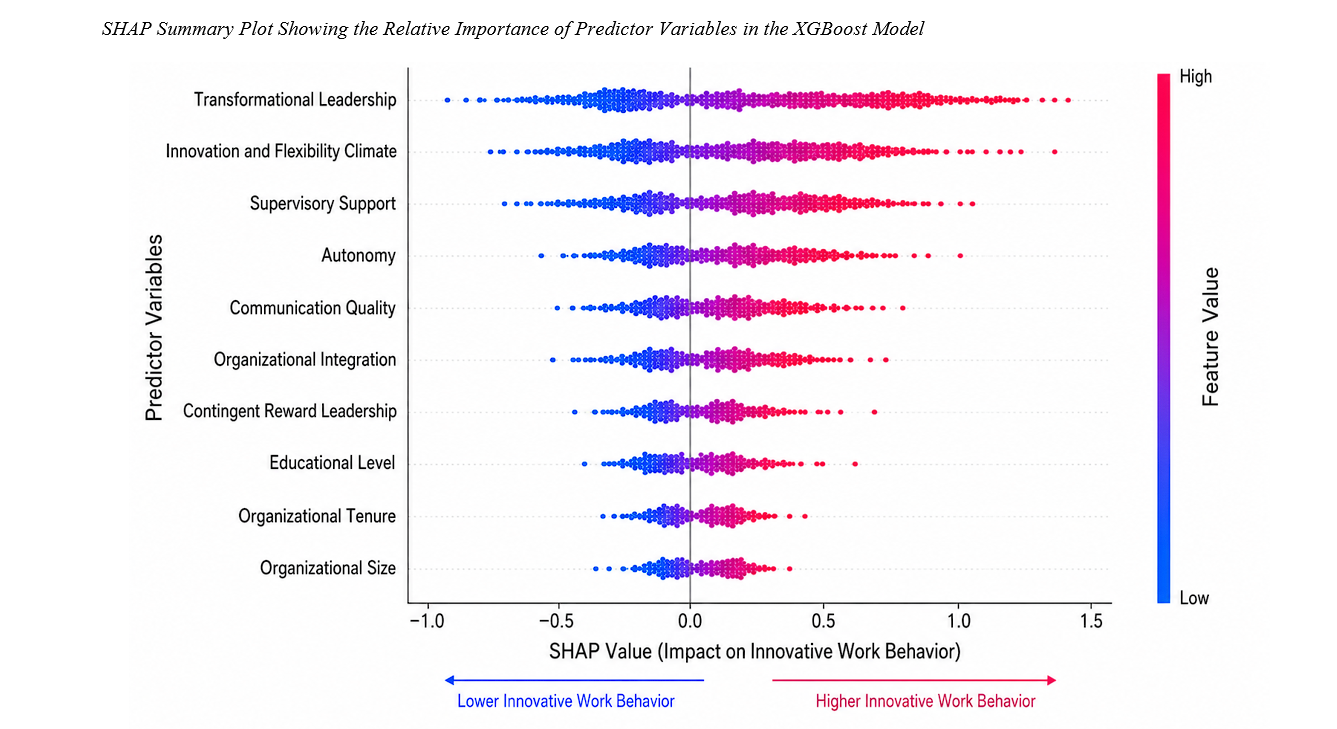
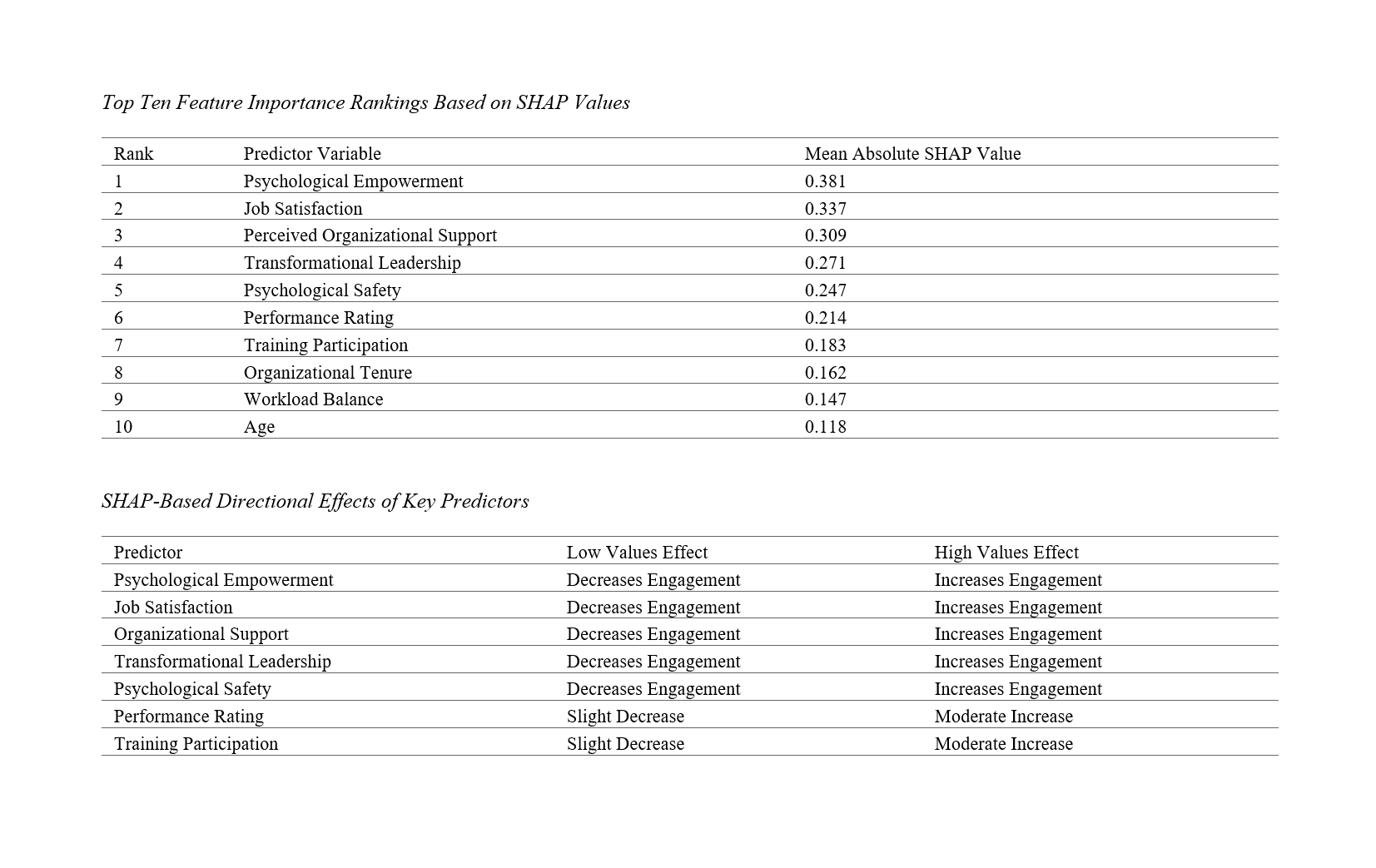
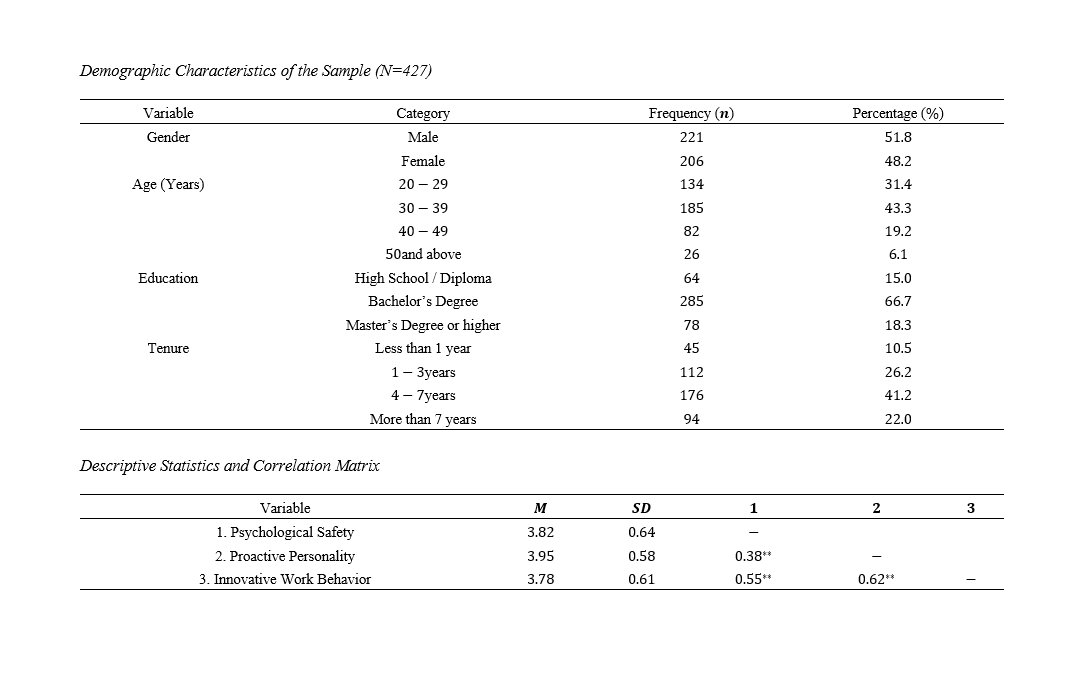
Objective: This study aims to predict employee innovative work behavior by evaluating the distinct and interactive contributions of psychological safety and proactive personality through the application of advanced machine learning algorithms. Methods and Materials: A cross-sectional, quantitative design was utilized, drawing a stratified random sample of full-time employees from various dynamic corporate sectors across Indonesia. Data were collected via self-administered, translated questionnaires utilizing established Likert-scale instruments. To evaluate the predictive relationships, the dataset was partitioned into an training and testing split. Four machine learning models—Multiple Linear Regression, Support Vector Regression, Random Forest Regressor, and Gradient Boosting Regressor—were trained and evaluated using five-fold cross-validation, while SHapley Additive exPlanations (SHAP) values were computed to interpret feature importance and non-linear interactions. Findings: The non-linear ensemble models outperformed traditional linear approaches, with the Gradient Boosting Regressor demonstrating the highest predictive accuracy on the testing set ( , , ). Feature importance analysis using SHAP values identified proactive personality as the dominant predictor of innovative work behavior (mean absolute SHAP value = ), closely followed by psychological safety (mean absolute SHAP value = ). Furthermore, the dependency plots revealed a critical non-linear interaction, indicating that high levels of proactive personality only consistently translate into innovative behavior when a baseline threshold of psychological safety is present in the work environment. Conclusion: Organizations must concurrently hire for proactive traits and cultivate psychologically safe climates, as both are fundamentally intertwined in actualizing and predicting employee innovation. |
Clustering Innovation Behaviors Using Machine Learning: Roles of Future Time Perspective and Proactive Motivation
|
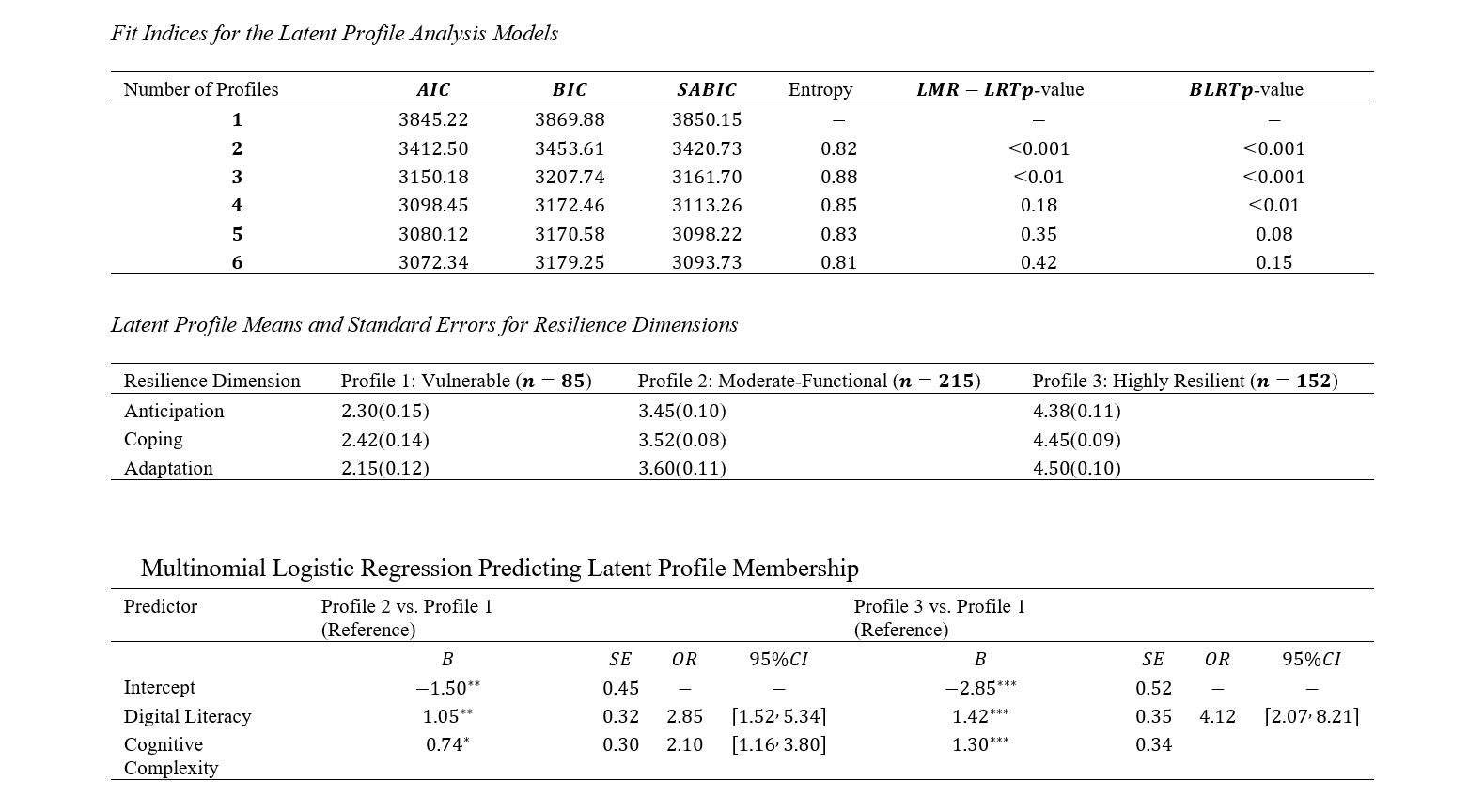
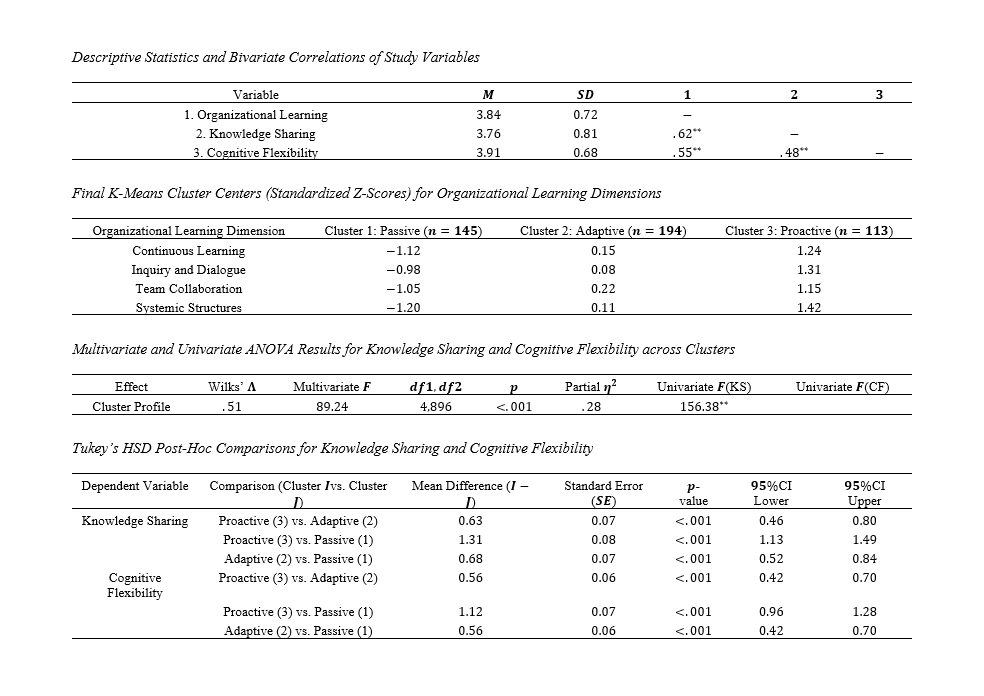
Objective: This study aimed to identify distinct profiles of employee innovation behaviors using unsupervised machine learning and to evaluate the predictive roles of future time perspective and proactive motivation in determining membership within these empirically derived behavioral clusters. Methods and Materials: A quantitative, cross-sectional design was utilized to collect data from a purposive sample of professionals employed in various knowledge-intensive sectors across Spain. Participants completed validated self-report questionnaires assessing three core dimensions of innovation behavior (idea generation, idea promotion, and idea realization), alongside measures of future time perspective and proactive motivation. The analytical framework employed a K-means clustering algorithm to partition the multidimensional innovation scores into distinct profiles, followed by multinomial logistic regression models to evaluate the predictive capacity of the psychological variables in determining cluster categorization. Findings: The K-means clustering analysis ( ) successfully identified three distinct behavioral profiles: “Passive Innovators” ( , ), “Moderate Innovators” ( , ), and “High Innovators” ( , ). The multinomial logistic regression model demonstrated robust predictive power (Nagelkerke ). A one-unit increase in future time perspective significantly increased the odds of an individual belonging to the High Innovators cluster rather than the Passive Innovators cluster ( , ). Furthermore, proactive motivation emerged as an exceptionally strong differentiator; a one-unit increase in proactive motivation drastically elevated the likelihood of being classified as a High Innovator compared to the passive reference group ( , ). Conclusion: Fostering a future-oriented mindset and cultivating intrinsic proactive motivation are critical psychological catalysts for transforming passive employees into highly engaged innovators capable of driving ideas from initial conception to full realization. |
Predicting Employee Creativity Trajectories Through Longitudinal Deep Learning Models of Motivation and Job Design
|
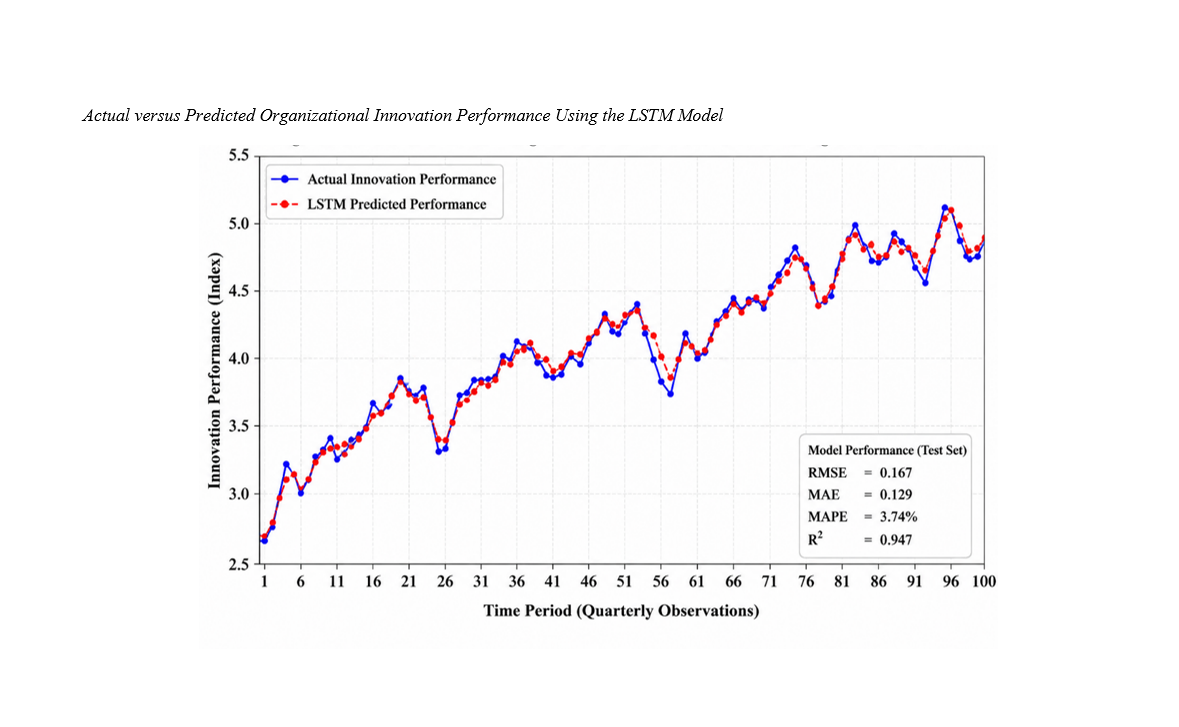
Objective: The objective of this study was to predict long-term employee creativity trajectories by developing a longitudinal deep learning model integrating evolving motivational states and job design characteristics. Methods and Materials: This longitudinal study followed 611 full-time employees from knowledge-intensive organizations in Spain across four measurement waves over 18 months. Repeated measures of intrinsic and extrinsic motivation, psychological empowerment, and job design characteristics (including autonomy, task significance, skill variety, and feedback quality) were collected using validated instruments. Employee creativity was assessed using a multi-source composite index incorporating self-ratings, supervisor evaluations, and peer nominations. Long Short-Term Memory (LSTM) neural networks were employed to model non-linear temporal relationships and predict individual creativity trajectories. Model performance was evaluated using root mean square error, mean absolute error, explained variance, and trajectory similarity indices. Feature importance was examined using attention mechanisms and SHAP values, and unsupervised clustering was applied to identify distinct creativity development profiles. Findings: The deep learning model explained 76.1% of variance in unseen creativity trajectories. Intrinsic motivation (β_importance = 0.31, p < .001) and job autonomy (β_importance = 0.24, p < .001) emerged as the strongest predictors of sustained creative growth. Four statistically distinct creativity trajectories were identified: accelerated growth (34.5%), stable growth (41.2%), stagnant (16.7%), and declining (7.6%). Employees in the accelerated growth cluster demonstrated significantly higher increases in intrinsic motivation and job autonomy over time (p < .001), whereas the stagnant and declining clusters exhibited significant decreases in psychological empowerment and increases in role overload (p < .01). Conclusion: Employee creativity is a dynamic developmental capability shaped by continuous interactions between motivation and job design, and longitudinal deep learning provides a powerful framework for predicting creative growth and identifying intervention targets. |
Using Random Forests to Predict Team Creativity from Psychological Diversity and Emotional Intelligence
|
Objective: The objective of this study was to deploy a Random Forest machine learning algorithm to evaluate the predictive power and complex non-linear interactions of psychological diversity and team emotional intelligence on collective team creativity. Methods and Materials: A cross-sectional quantitative research design was employed, collecting data from employees nested within established work teams in the Greek corporate sector. Team creativity was assessed via supervisor ratings, while emotional intelligence and psychological diversity (measured as the standard deviation of Big Five personality traits within teams) were self-reported and statistically aggregated to the team level. Data analysis utilized Random Forest regression, comparing its predictive performance against traditional Multiple Linear Regression using an training set ( teams) and a testing set ( teams), with hyperparameters optimized via grid search cross-validation. Findings: The Random Forest model significantly outperformed Multiple Linear Regression in predicting team creativity on the testing set ( , , versus , , ). Variable importance analysis revealed that Team Emotional Intelligence was the paramount predictor (Importance Score , , ). This was followed by psychological diversity in Openness (Importance Score , , ) and Extraversion (Importance Score , , ), which both positively correlated with creative output. Conversely, diversity in Conscientiousness (Importance Score , , ) demonstrated a negative impact on team creativity. Conclusion: High aggregate emotional intelligence and specific deep-level personality diversities interact in highly non-linear patterns to drive team innovation, underscoring the necessity of advanced ensemble learning techniques for accurate organizational and behavioral modeling. |
About the Journal
- ISSN: 3041-8992
- Director in Charge: Sepehr Khajeh Naeini
- Editor-in-chief: Dr. Yus Nugraha
- Owner: KMAN Research Institute
- Publisher: KMAN Publication Inc. (KMANPUB)
- Email: ijimob@kmanpub.com / journalimobs@gmail.com
- Open Access: YES
International Journal of Innovation Management and Organizational Behavior (IJIMOB) is a scientific open access peer-reviewed journal. The primary purpose of the International Journal of Innovation Management and Organizational Behavior (IJIMOB) is to publish scholarly research articles in the fields of Management and Organizational Behavior. As an official journal of the KMANPUB, the IJIMOB is recognized as an instrument for projecting and supporting the goals and objectives of this organization, which include scholarly research and the free exchange of ideas. IJIMOB appreciates original articles, review articles, short-papers, and conceptual papers research on all aspects of Innovation Management and Organizational Behavior.
About the Publisher
Publisher: KMAN Publication Inc.
Publisher Office: Unit 5‑10825 Yonge St, Richmond Hill, Ontario, Canada, L4C 3E3
https://journals.kmanpub.com
Email: kmanpu@kmanpub.com
Telegram: +1 (647) 656‑4401 | WhatsApp: +1 (437) 429‑3507
Germany Office: Dratelnstrasse, Wohnung A60, 21119 Hamburg, Germany (+4915207720487)
Current Issue