

















Comparison of the Effectiveness of Emotion Regulation Training and Self-Differentiation Training on Behavioral Problems of Tenth-Grade Female Students in Baghbahadoran
|
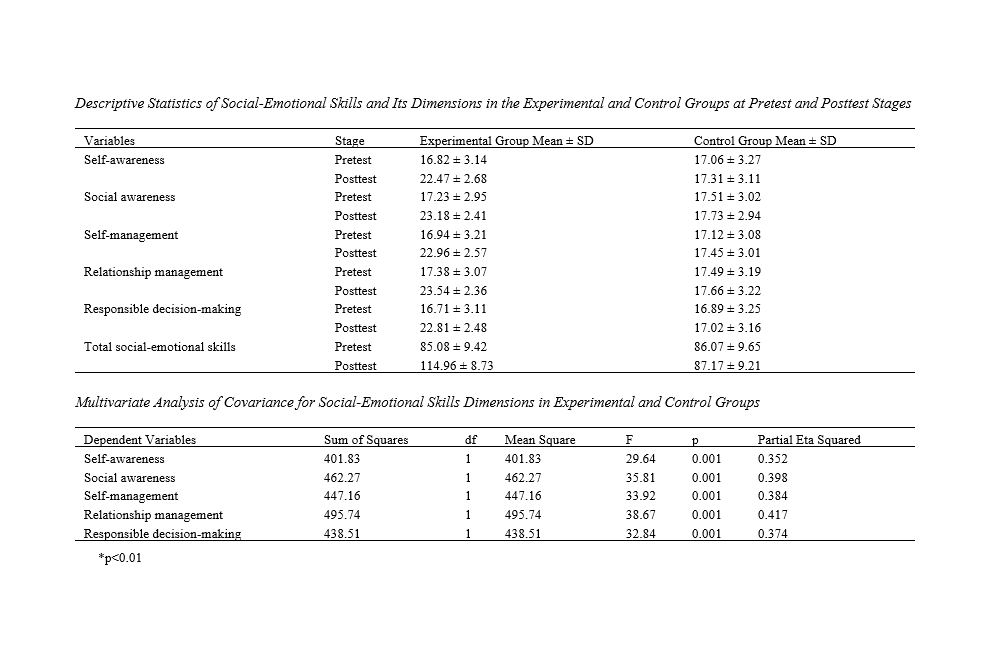
Objective: The objective of this study was to compare the effectiveness of emotion regulation training and self-differentiation training on reducing internalizing and externalizing behavioral problems among tenth-grade female students. Methods and Materials: This study adopted a quantitative, applied, quasi-experimental design with pretest, posttest, and a three-month follow-up, including two experimental groups and one control group. The statistical population consisted of tenth-grade female students in Baghbahadoran during the 2023–2024 academic year, from which 81 students were initially selected through cluster random sampling and convenience sampling. Participants were randomly assigned to an emotion regulation training group, a self-differentiation training group, or a control group. The emotion regulation intervention was implemented using the ten-session “Think Cool, Act Cool” program, while self-differentiation training was delivered based on Bowen’s theory in ten structured sessions. Behavioral problems were assessed at three time points using the Achenbach Youth Self-Report questionnaire. Data were analyzed using repeated measures analysis of variance and mixed analysis of variance in SPSS version 27. Findings: The results indicated a significant main effect of time for both internalizing and externalizing behavioral problems, demonstrating substantial reductions from pretest to posttest that were maintained at follow-up. Significant group differences were observed, with both intervention groups showing significantly lower levels of internalizing and externalizing problems compared to the control group. No statistically significant differences were found between the emotion regulation and self-differentiation training groups. Effect sizes were large for both outcome variables, indicating strong intervention effects. Conclusion: Both emotion regulation training and self-differentiation training were equally effective in reducing internalizing and externalizing behavioral problems in adolescent girls, and the beneficial effects remained stable over time. These findings support the use of either intervention as an effective school-based approach for improving adolescents’ emotional and behavioral adjustment. |
Development of a Structured Intervention and Its Effectiveness on High-Risk Behaviors in Substance-Using Adolescents
|
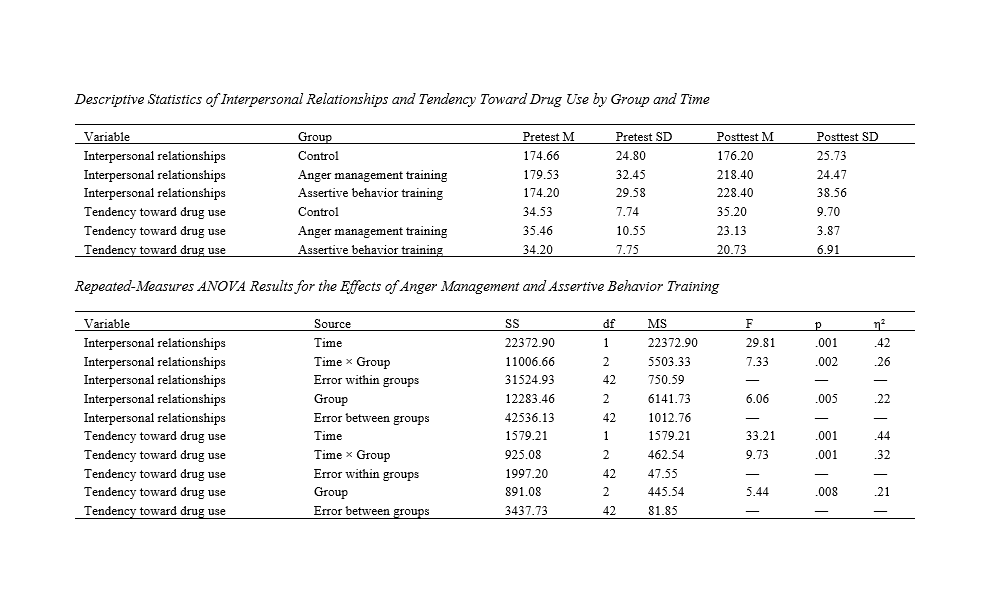
Objective: The objective of this study was to develop a structured, developmentally informed intervention and to examine its effectiveness in reducing high-risk behaviors among substance-using adolescents. Methods and Materials: This study employed a mixed-methods sequential exploratory design. In the qualitative phase, semi-structured interviews were conducted with substance-using adolescents, clinicians, and experts to identify core psychological, familial, and social mechanisms underlying high-risk behaviors, and the findings were used to develop a structured intervention protocol. In the quantitative phase, a quasi-experimental pretest–posttest design with an intervention and a control group was implemented. Participants were adolescents with a history of substance use recruited from counseling and support centers in Shahroud. The intervention group received a structured, multi-session program focusing on emotion regulation, cognitive restructuring, problem-solving, interpersonal skills, and future orientation, while the control group received routine services. Standardized self-report measures of high-risk behaviors were administered before and after the intervention. Findings: Inferential analyses revealed a statistically significant reduction in high-risk behaviors in the intervention group compared to the control group. Repeated-measures analysis showed a significant time × group interaction, indicating that changes over time differed significantly between groups. The intervention produced large effect sizes for overall high-risk behaviors as well as for emotional, behavioral, and social risk components, demonstrating the strong impact of the structured program beyond natural change or routine care. Conclusion: The findings indicate that a structured intervention developed through qualitative exploration and evaluated using quantitative methods can effectively reduce high-risk behaviors among substance-using adolescents. Integrating emotional, cognitive, and interpersonal components within a coherent framework appears to be a promising approach for intervention programs targeting adolescent substance use. |
Comparison of the Effectiveness of Short-Term Psychodynamic Therapy and Mentalization-Based Therapy on Self-Injurious Behaviors, Rejection Sensitivity, and Self-Control in Adolescents with Borderline Personality Organization
|
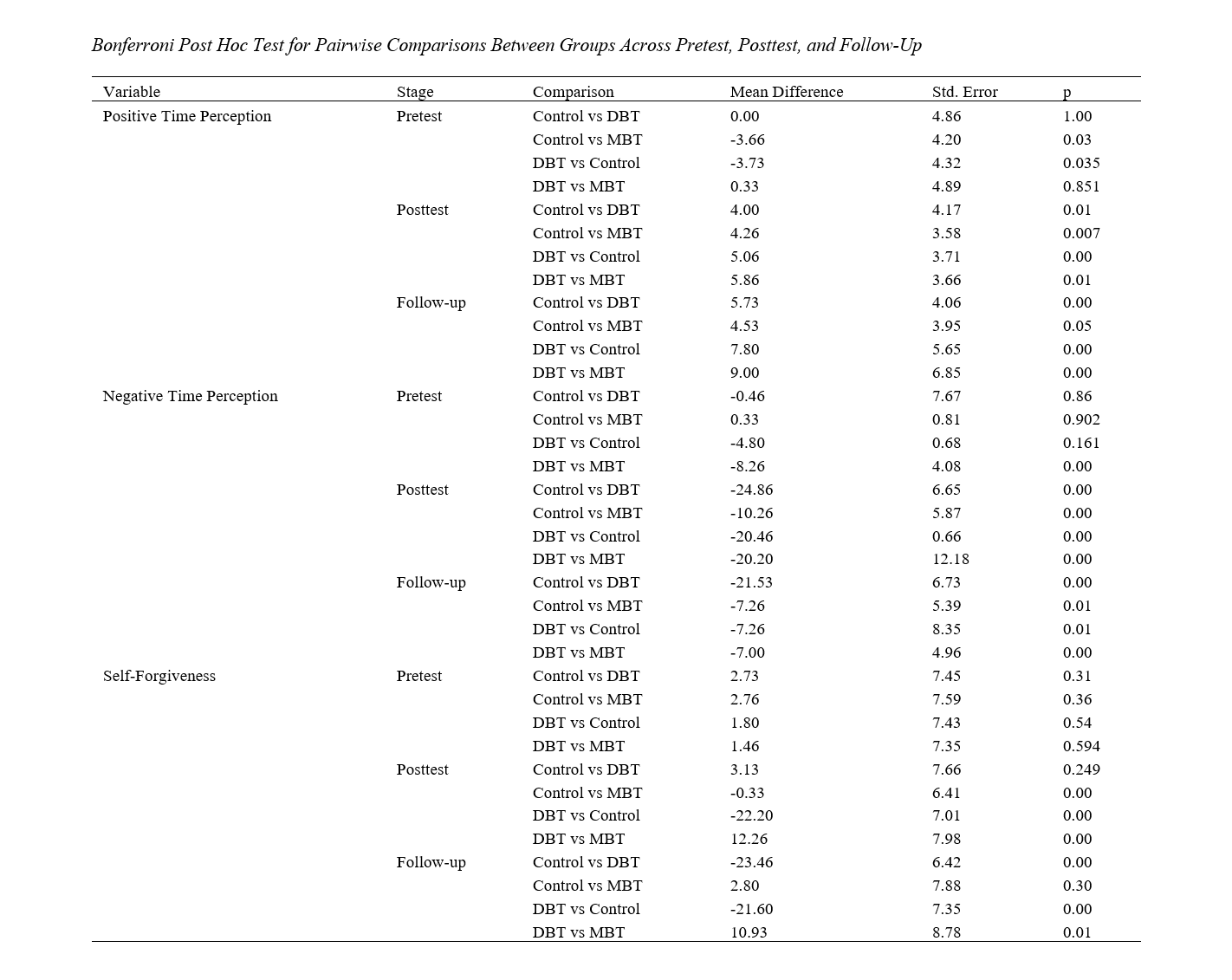
Objective: The aim of the present study was to compare the effectiveness of short-term psychodynamic therapy and mentalization-based therapy on self-injurious behaviors, rejection sensitivity, and self-control in adolescents with borderline personality organization. Method: The present research was a quasi-experimental study using a pretest–posttest design with a control group. The statistical population consisted of all adolescents with borderline personality organization who referred to clinics in western Tehran during the second half of the year 2025 (September 2025 to March 2026). From this population, 60 participants were selected through non-random purposive sampling and were then randomly assigned to three groups: short-term psychodynamic therapy, mentalization-based therapy, and a control group. Data were collected using the Personality Organization Questionnaire by Kernberg (2002), the Self-Injury Questionnaire by Sansone, Wiederman, and Sansone (1998), the Rejection Sensitivity Questionnaire by Downey and Feldman (1996), and the Self-Control Scale (SCS). Subsequently, therapeutic interventions were implemented for the experimental groups based on the short-term psychodynamic therapy protocol and the mentalization-based therapy protocol developed by Bateman and Fonagy (2016) across nine 90-minute sessions, while the control group was placed on a waiting list. After the completion of treatment, posttests were administered to both groups. Data were analyzed using multivariate analysis of variance (MANOVA) and repeated measures analysis of variance. Bonferroni post hoc tests were used to test the research hypotheses. Results: The results of the analysis indicated that short-term psychodynamic therapy was not effective in reducing self-injurious behaviors in adolescents with borderline personality organization, whereas mentalization-based therapy led to a significant reduction in self-injurious behaviors in this population. Furthermore, the findings showed that both treatments had equal effects on rejection sensitivity and self-control in adolescents with borderline personality organization. Conclusion: Based on the findings, the use of short-term psychodynamic therapy and mentalization-based therapy is recommended for improving self-injurious behaviors, rejection sensitivity, and self-control in adolescents with borderline personality organization. |
Interplay of Cognitive Flexibility and Adaptive Emotion Regulation as Predictors of Academic Success in AI-Enhanced Learning Environments
|
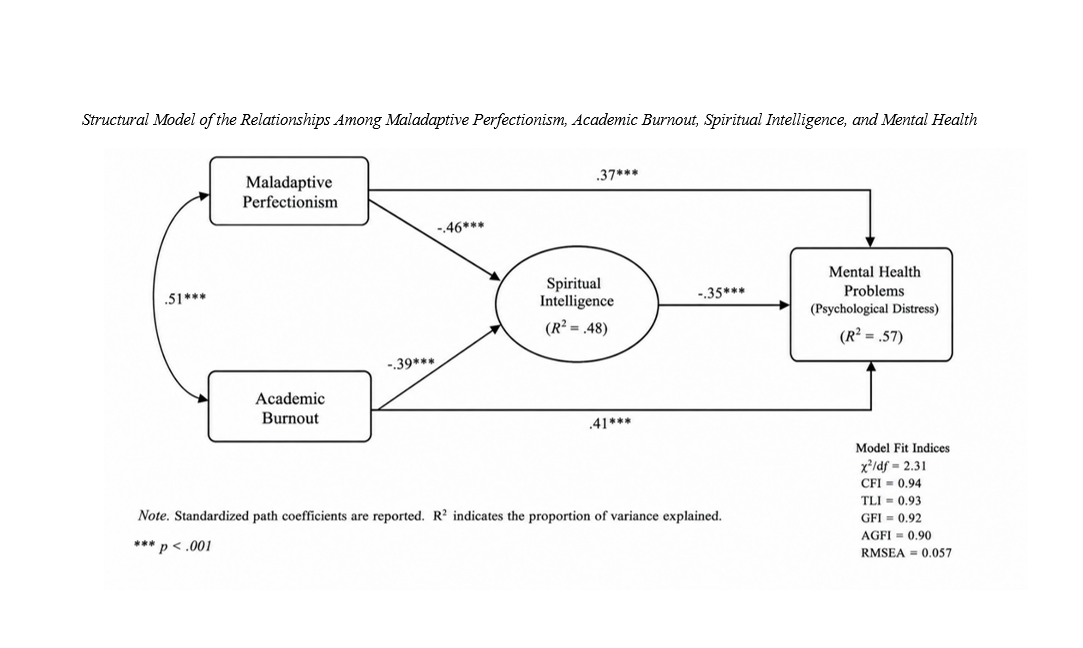
Objective: The objective of this study was to examine the interactive predictive roles of cognitive flexibility and adaptive emotion regulation on academic success among university students learning in artificial intelligence–enhanced educational environments. Methods and Materials: This quantitative cross-sectional correlational study was conducted among 317 undergraduate students from major public universities in Tehran who were enrolled in courses supported by AI-based learning platforms. Participants completed validated questionnaires measuring cognitive flexibility, adaptive emotion regulation, engagement with AI-enhanced learning systems, and academic success. Data were analyzed using descriptive statistics, Pearson correlations, hierarchical multiple regression, and structural equation modeling with SPSS 26 and AMOS 24. Model fit was evaluated using standard goodness-of-fit indices including CFI, TLI, RMSEA, and SRMR. Findings: Hierarchical regression revealed that after controlling for demographic variables and AI-learning engagement, cognitive flexibility (β = .31, p < .001) and adaptive emotion regulation (β = .36, p < .001) significantly predicted academic success, together explaining 56% of the total variance. Structural equation modeling demonstrated strong direct effects of cognitive flexibility (β = .34, p < .001) and adaptive emotion regulation (β = .39, p < .001) on academic success, as well as significant indirect effects mediated through AI-learning engagement (β = .41, p < .001). The overall model exhibited satisfactory fit to the data (CFI = .95, TLI = .94, RMSEA = .061, SRMR = .047). Conclusion: The findings indicate that cognitive flexibility and adaptive emotion regulation are critical psychological determinants of academic success in AI-enhanced learning environments and operate both directly and through strengthening students’ engagement with intelligent educational systems. |
Predicting Adolescent Psychological Well-Being Using Gradient Boosting Models and Multidimensional Life Satisfaction Indicators
|
Objective: The objective of this study was to examine the extent to which adolescent psychological well-being can be accurately predicted using gradient boosting machine learning models integrating multidimensional life satisfaction indicators. Methods and Materials: This cross-sectional study was conducted among secondary school adolescents in Taiwan using a school-based sampling framework. Psychological well-being was assessed as a continuous outcome variable, while multidimensional life satisfaction domains—including emotional health, family life, peer relationships, school experience, academic self-satisfaction, physical health, neighborhood context, and perceived economic status—were used as predictive features alongside key demographic and behavioral covariates. Advanced gradient boosting algorithms were trained and validated using a hold-out testing approach with cross-validated hyperparameter optimization. Model performance was evaluated using inferential predictive metrics, and explainable machine learning techniques were applied to quantify feature contributions and non-linear effects. Findings: Inferential results demonstrated that gradient boosting models explained a substantial proportion of variance in adolescent psychological well-being, with ensemble models achieving high predictive accuracy and low estimation error. Emotional health satisfaction emerged as the strongest predictor, followed by family life satisfaction and school life satisfaction, indicating statistically meaningful and non-linear contributions to well-being. Peer life satisfaction and academic self-satisfaction showed moderate but significant predictive influence, while health-related behaviors such as sleep duration exhibited curvilinear effects. Explainability analyses revealed marked inter-individual heterogeneity in predictor importance, supporting the presence of multiple predictive pathways to psychological well-being rather than a single dominant profile. Conclusion: The findings indicate that adolescent psychological well-being can be robustly predicted using gradient boosting models that integrate multidimensional life satisfaction indicators. |
Identifying High-Risk Profiles for Substance Use in Youth Through Explainable Machine Learning Models
|
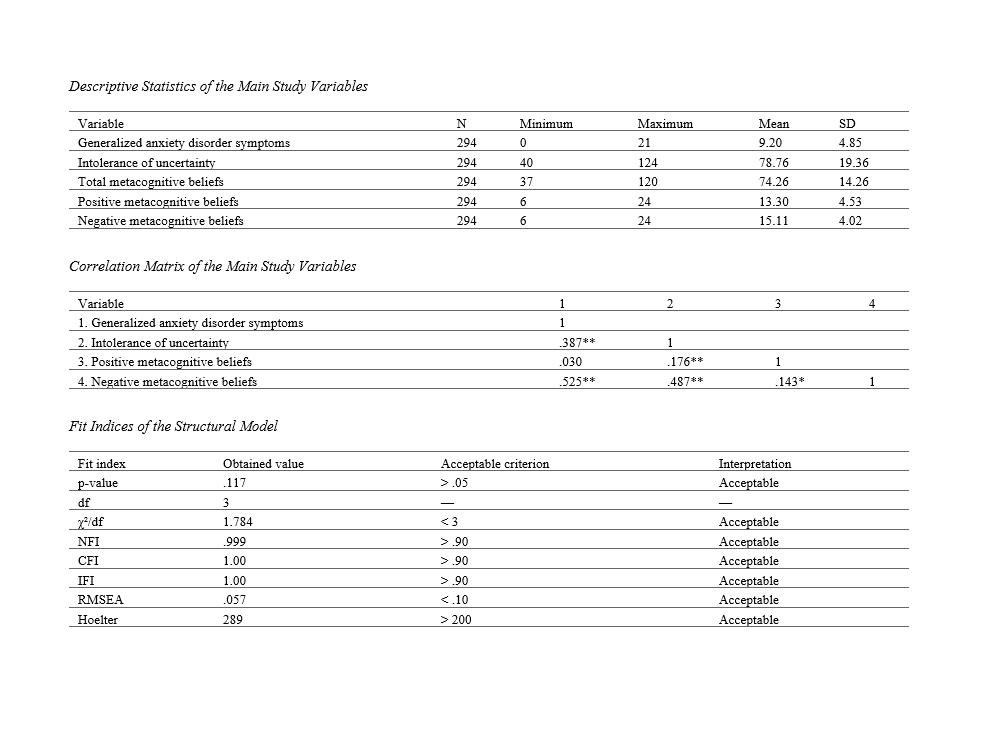
Objective: The objective of this study was to identify and interpret high-risk substance use profiles among youth by applying explainable machine learning models that integrate psychological, familial, peer, and sociodemographic factors. Methods and Materials: A cross-sectional study design was employed with a large, community-based sample of adolescents and young adults recruited from educational institutions and youth organizations in Ireland. Participants completed standardized self-report measures assessing substance use behaviors, psychological characteristics, family and peer contexts, and demographic factors. Supervised machine learning models, including regularized logistic regression and ensemble-based algorithms, were trained to classify high-risk substance use status. Model performance was evaluated using cross-validated inferential metrics, including area under the receiver operating characteristic curve, sensitivity, specificity, and balanced accuracy. Explainable artificial intelligence techniques based on SHapley Additive exPlanations were used to interpret both global predictor importance and individual-level risk patterns. Findings: Inferential analyses demonstrated that ensemble machine learning models significantly outperformed linear models in classifying high-risk substance use, with the highest-performing model achieving excellent discrimination and sensitivity. Explainability analyses revealed that peer substance use norms, impulsivity, parental monitoring, sensation seeking, and emotional dysregulation exerted statistically meaningful and nonlinear effects on risk classification. Distinct high-risk profiles were identified, including socially driven risk, emotionally vulnerable risk, sensation-seeking–dominant risk, and structurally disadvantaged risk, each characterized by unique constellations of predictors with differential contributions to model output. Conclusion: The findings indicate that explainable machine learning models can accurately and transparently identify heterogeneous high-risk substance use profiles among youth, offering a robust and interpretable framework for advancing early detection, targeted prevention, and data-informed public health decision-making. |
Machine Learning–Based Prediction of Emotional Eating Patterns in Adolescents Using Psychological and Lifestyle Variables
|
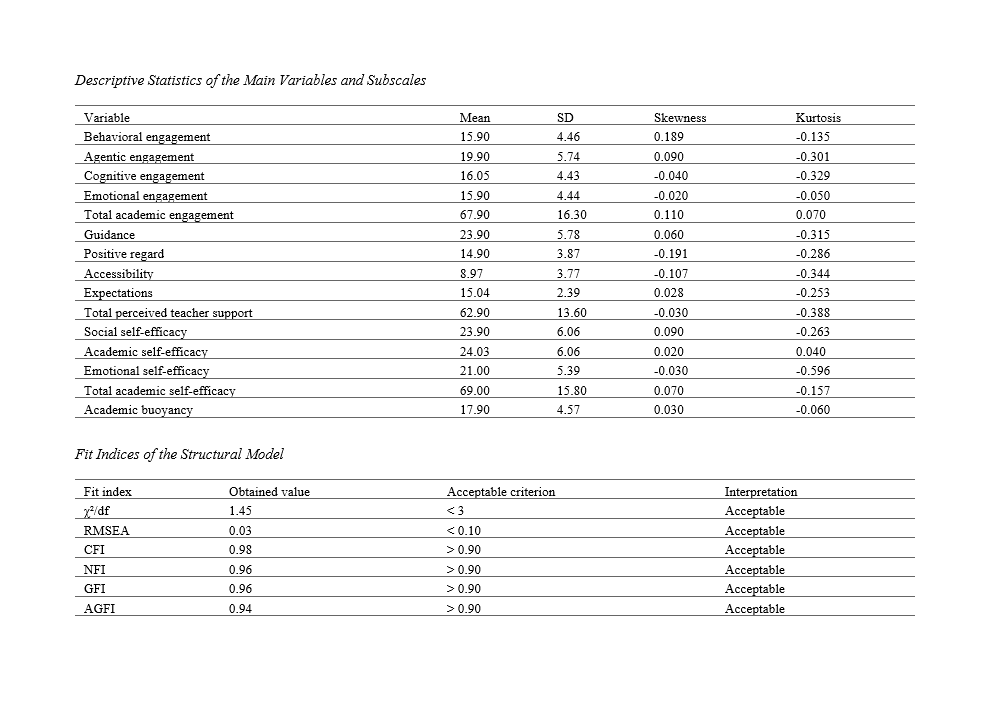
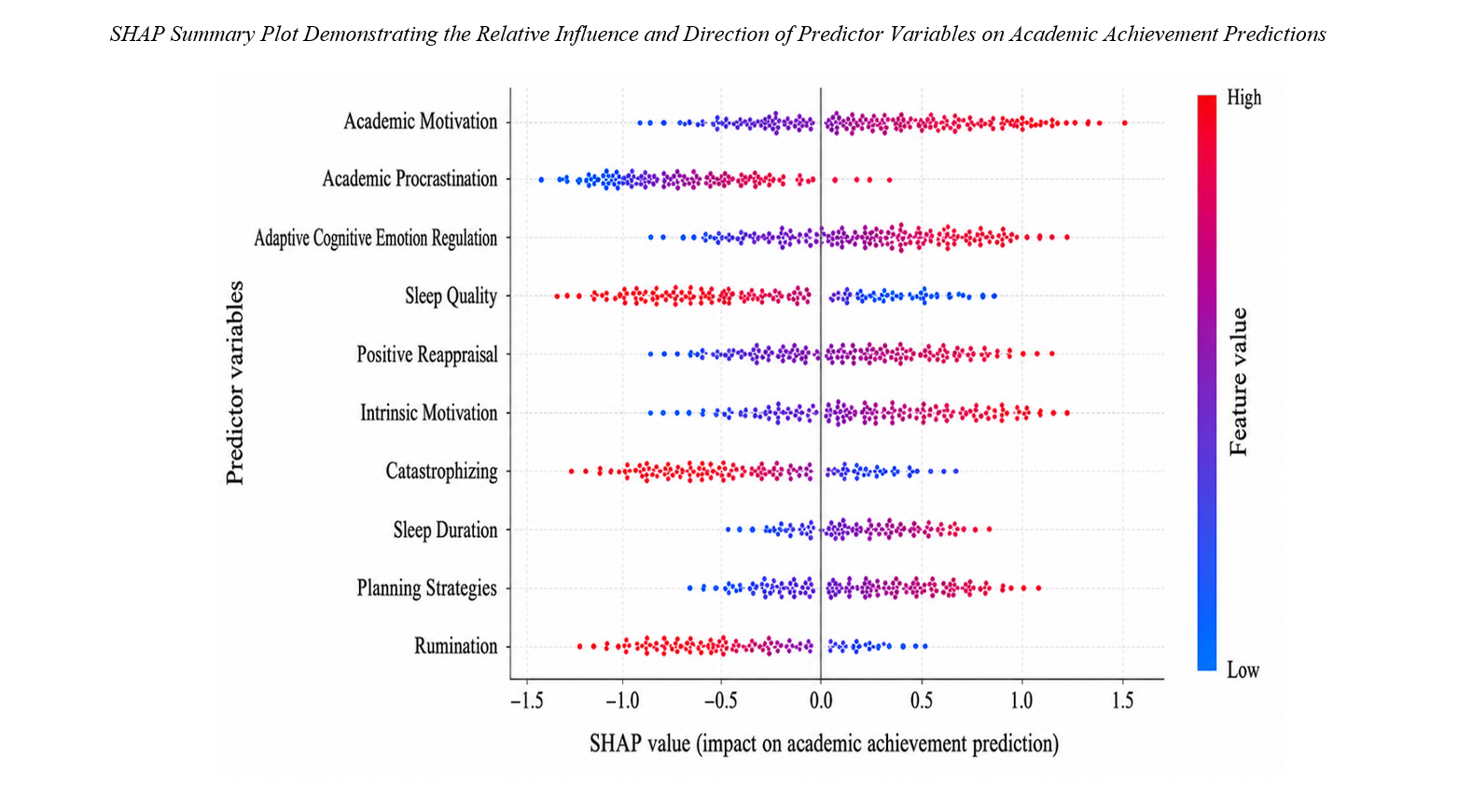
Objective: This study aimed to develop and evaluate explainable machine learning models to predict emotional eating patterns among adolescents by integrating psychological distress indicators and lifestyle-related variables. Methods and Materials: A cross-sectional, school-based study was conducted among adolescents aged 13–18 years in Poland. Participants completed validated self-report measures assessing emotional eating, perceived stress, depressive and anxiety symptoms, emotion regulation difficulties, impulsivity, self-esteem, sleep quality and duration, physical activity, screen time, and dietary habits, alongside sociodemographic information. Data were preprocessed using standardization, imputation, and encoding procedures. Multiple supervised machine learning algorithms, including regularized logistic regression, random forest, gradient boosting, and extreme gradient boosting, were trained and evaluated using nested cross-validation. Model performance was assessed using area under the receiver operating characteristic curve, accuracy, sensitivity, specificity, and F1-score. Explainable artificial intelligence techniques based on SHAP values were applied to interpret predictor contributions. Findings: Ensemble-based machine learning models significantly outperformed linear models in predicting emotional eating, with extreme gradient boosting demonstrating the highest discriminative performance. Psychological variables, particularly perceived stress, emotion regulation difficulties, and depressive symptoms, showed the strongest positive associations with emotional eating risk, while poor sleep quality and higher impulsivity further increased predicted vulnerability. Protective effects were observed for higher self-esteem and greater physical activity. Explainability analyses revealed consistent directional effects across predictors and identified nonlinear interactions between psychological distress and lifestyle factors. Subgroup analyses indicated higher predictive accuracy among female adolescents compared to males. Conclusion: Explainable machine learning models provide robust and interpretable tools for identifying adolescents at risk of emotional eating. |
A Deep Neural Network Model for Predicting Stress Sensitivity in Adolescents Using Multidimensional Psychological Data
|
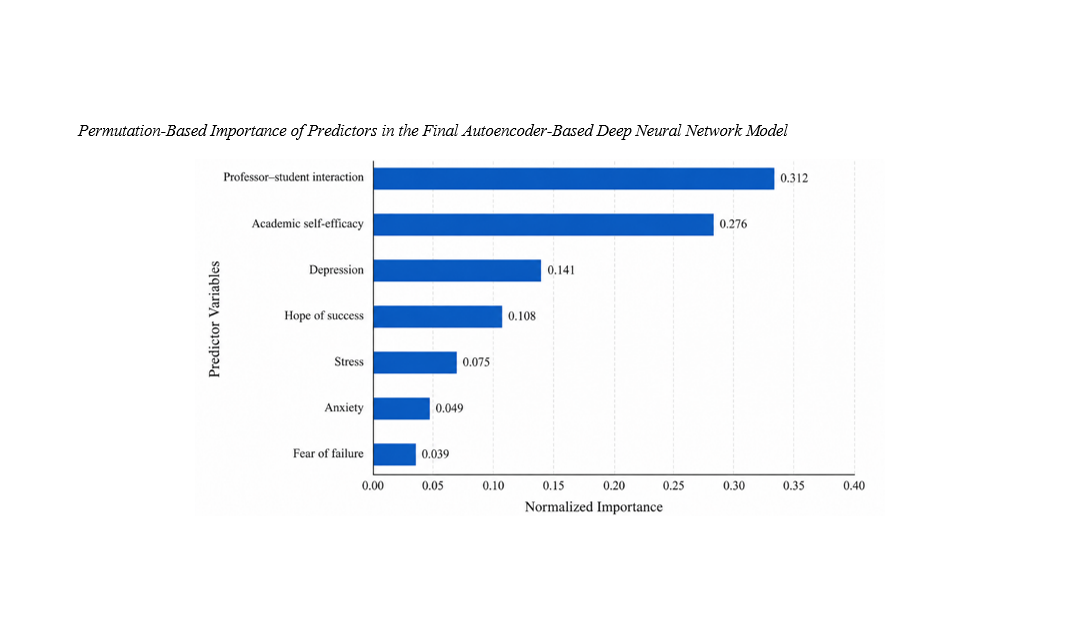
Objective: The objective of this study was to develop and evaluate a deep neural network model capable of accurately predicting stress sensitivity in adolescents based on a comprehensive set of psychological variables. Methods and Materials: This cross-sectional study was conducted among secondary school adolescents in Malaysia using a school-based sampling design. Participants completed a battery of standardized self-report instruments assessing stress sensitivity, perceived stress, anxiety and depressive symptoms, emotion regulation strategies, psychological resilience, self-esteem, and social support, along with demographic information. After data preprocessing, including normalization and handling of missing values, a deep neural network with multiple hidden layers was trained to predict continuous stress sensitivity scores. The dataset was partitioned into training, validation, and test subsets, and model optimization was performed using adaptive gradient-based learning with regularization and early stopping to ensure generalizability. Model performance was evaluated using error-based and variance-based metrics, and comparative analyses were conducted against traditional statistical and machine learning models. Findings: Inferential results indicated that the deep neural network achieved high predictive accuracy, explaining a substantial proportion of variance in stress sensitivity scores. The model significantly outperformed linear regression, support vector regression, and random forest models across all evaluation metrics. Permutation-based analyses revealed that perceived stress and anxiety symptoms were the strongest predictors, followed by emotion regulation through suppression, psychological resilience, depressive symptoms, and social support, while demographic variables contributed minimally. Cross-validation analyses demonstrated stable performance, supporting the robustness of the predictive framework. Conclusion: The findings demonstrate that deep neural network models can effectively capture the complex, non-linear psychological processes underlying adolescent stress sensitivity and offer a promising data-driven approach for early identification of youth at heightened stress-related risk. |
About the Journal
- E-ISSN: 2981-2526
- Director-in-Charge: Dr. Nadereh Saadati
- Editor-in-Chief: Dr. Ahmad Abedi
- Owner: KMAN Research Institute
- Publisher: KMAN Publication Inc. (KMANPUB)
- Contact email: jayps@kmanpub.com / aypsjournal@Gmail.com
- Open access: YES
Journal of Adolescent and Youth Psychological Studies is a scientific open access peer-reviewed journal publishing original articles, reviews, short communications and scientific reports of a high scientific and ethical standard in psychology, counseling and related academic disciplines. This journal is published in the English language by the KMAN Publication Inc.. It covers all the scientific subjects including family, educational, occupational, rehabilitation counseling and psychotherapy and other areas related to youth psychology and counseling.
This journal publishes articles in the following fields:
- Counseling and adolescent psychology
- Youth psychology and counseling
- Educational psychology and counseling (educational field)
- Occupational, educational psychology and counseling of young people
- Educational psychology and counseling (educational sciences)
- General and psychological health of teenagers and the young population
- Topics related to the training of school administrators and teachers
- Counseling and psychology of marriage and family
About the Publisher
Publisher: KMAN Publication Inc.
Publisher Office: Unit 5‑10825 Yonge St, Richmond Hill, Ontario, Canada, L4C 3E3
https://journals.kmanpub.com
Email: kmanpu@kmanpub.com
Telegram: +1 (647) 656‑4401 | WhatsApp: +1 (437) 429‑3507
Germany Office: Dratelnstrasse, Wohnung A60, 21119 Hamburg, Germany (+4915207720487)
Current Issue