



























Comparison of the Effectiveness of Cognitive-Behavioral Couple Therapy and Emotionally Focused Couple Therapy on Emotional Expressiveness in Couples with Conflict
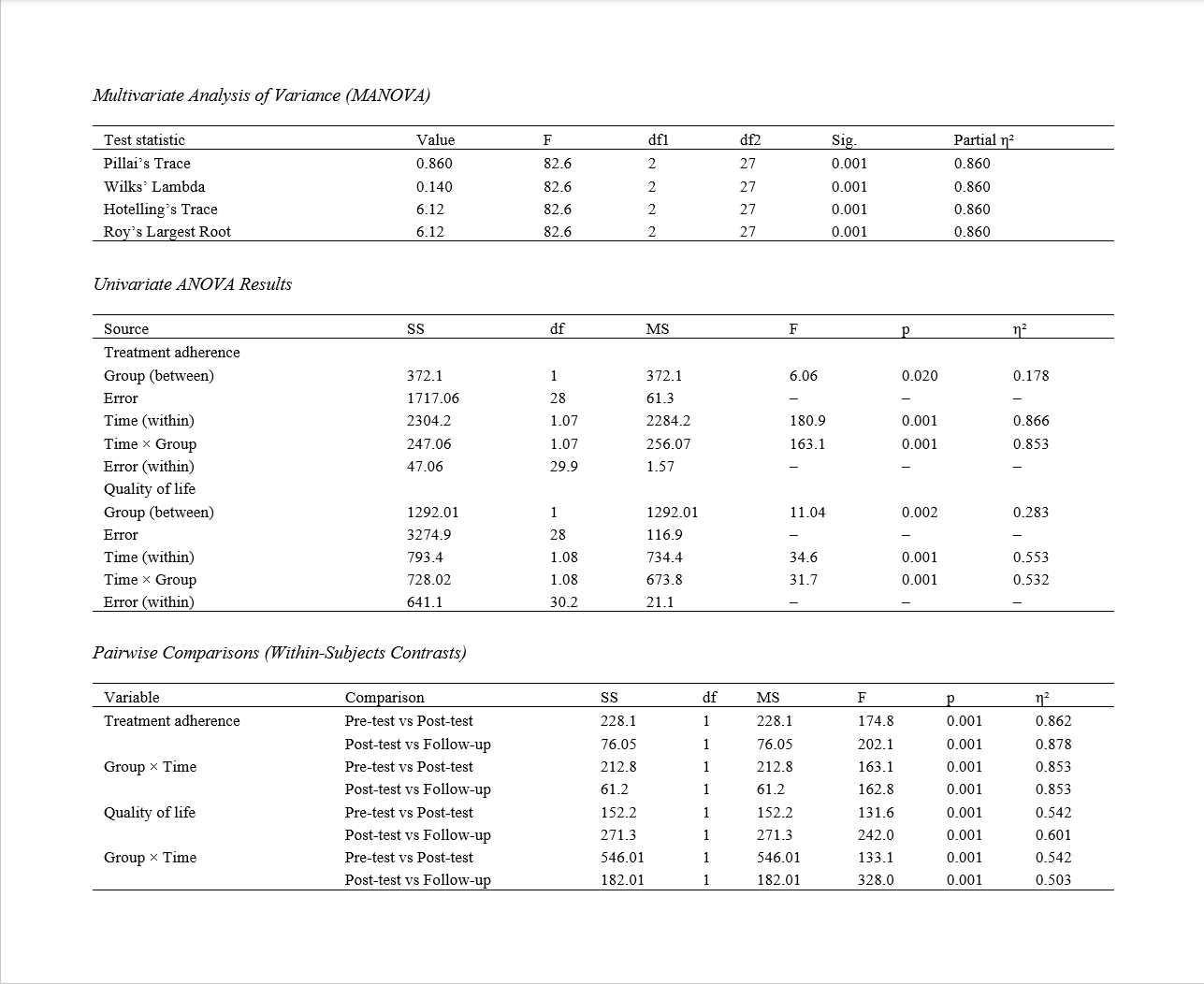
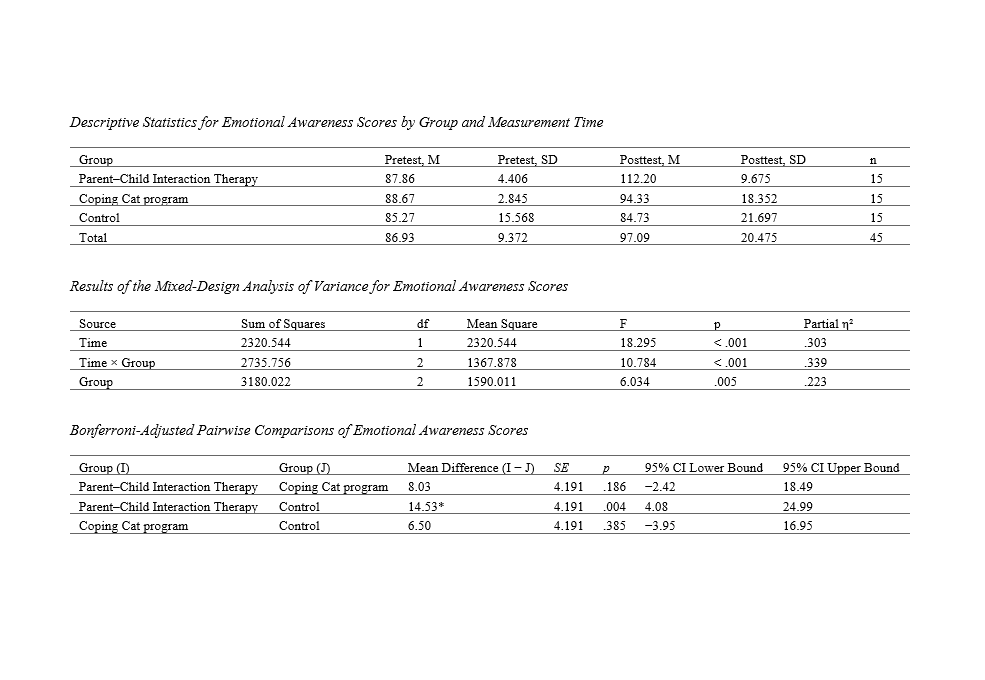
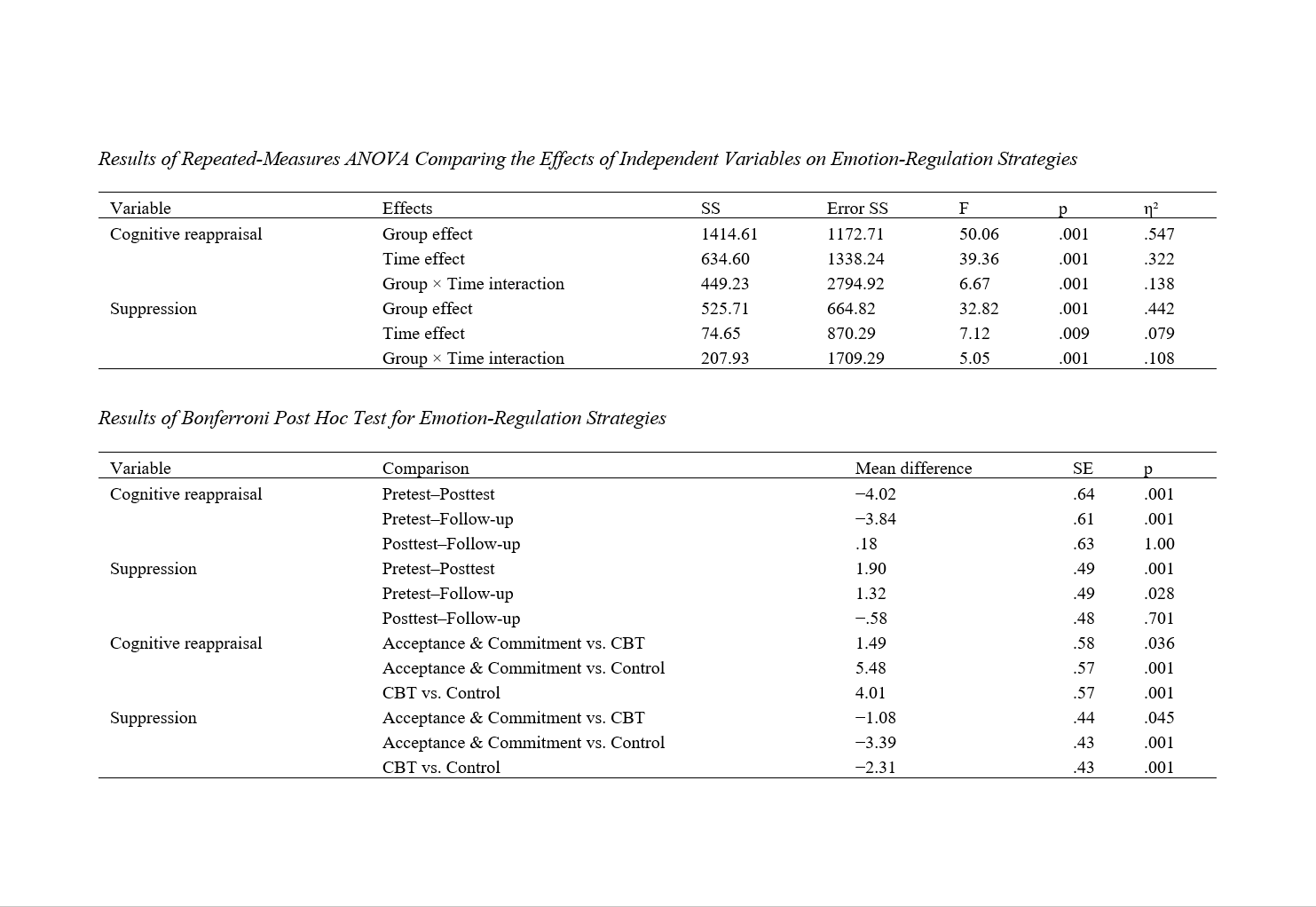
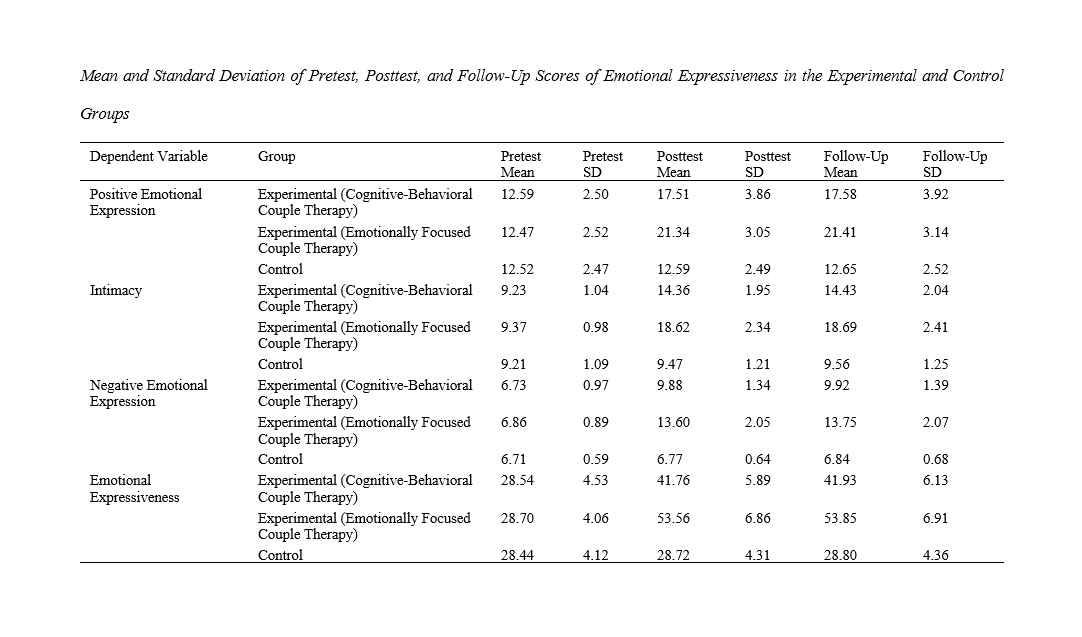
The present study was conducted to compare the effectiveness of emotionally focused couple therapy and cognitive-behavioral couple therapy on emotional expressiveness in couples experiencing conflict. The research method was a quasi-experimental design with a pretest-posttest control group and a three-month follow-up phase. The statistical population consisted of all couples who referred to counseling centers in Districts 21 and 22 of Tehran in 2025. Using G*Power software, 45 couples were selected through purposive non-random sampling. They were then randomly assigned by lottery into three groups: 15 couples in the control group, 15 couples in the first experimental group, and 15 couples in the second experimental group. Data were collected using the Emotional Expressiveness Questionnaire developed by King and Emmons (1990) and the Marital Conflict Questionnaire developed by Sanaei and Barati (1999). The intervention sessions for the experimental groups were conducted based on theoretical principles using Johnson’s (2012) emotionally focused couple therapy package in 9 sessions of 90 minutes and Dattilio’s (2009) cognitive-behavioral couple therapy package in 10 sessions of 90 minutes at Fadak Psychology Clinic. No intervention was administered to the control group. A pretest was administered to all three groups before the intervention sessions, and a posttest was conducted after completion of the sessions. Data analysis was performed using mixed repeated-measures analysis of variance in SPSS-18 software. The findings indicated that both cognitive-behavioral couple therapy and emotionally focused couple therapy were effective in improving emotional expressiveness among couples with conflict. Emotionally focused couple therapy was found to be more effective than cognitive-behavioral couple therapy in enhancing emotional expressiveness. The findings of this study may provide practical implications for counselors and psychologists regarding the improvement of marital relationships among couples experiencing marital conflict.